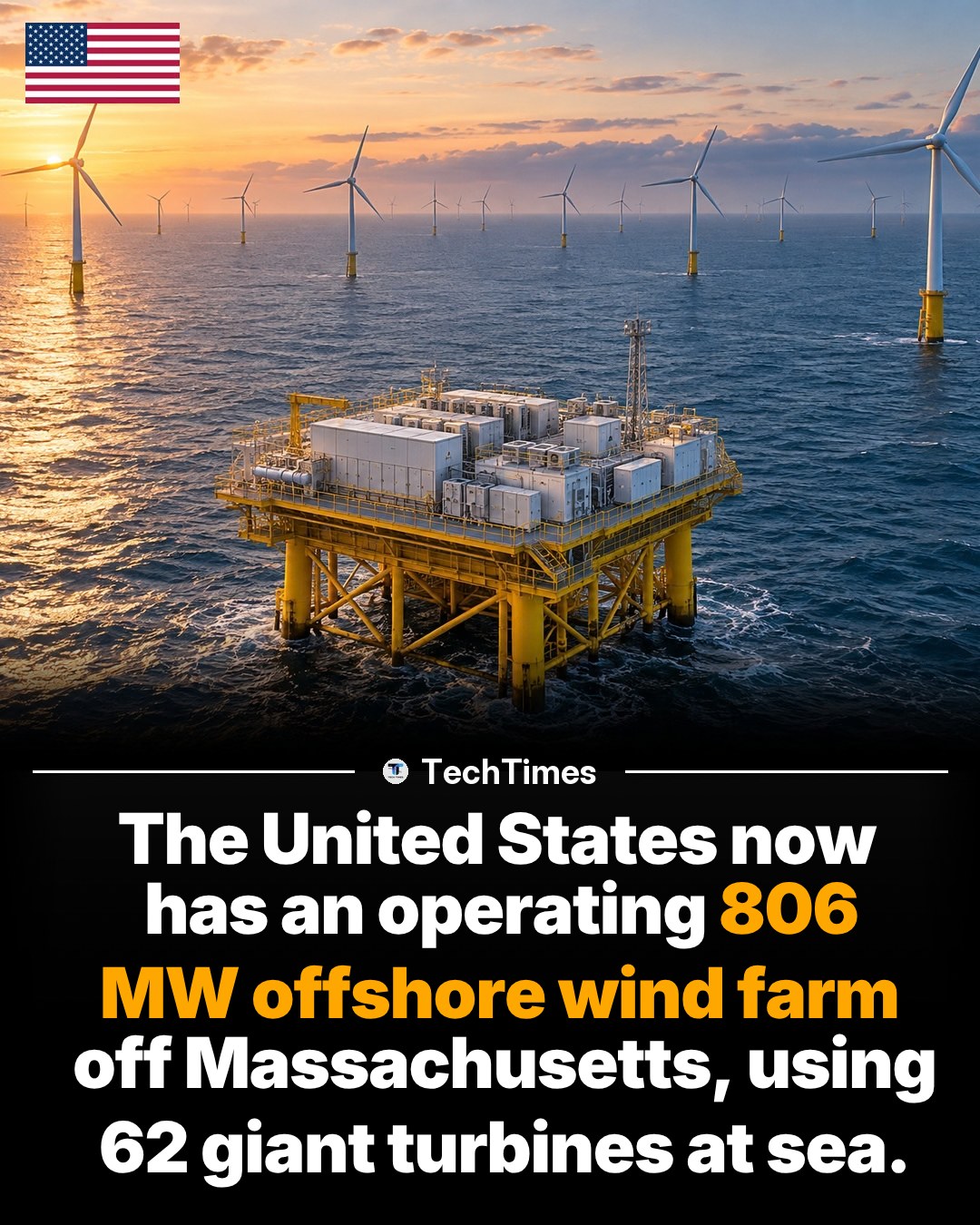
Off the coast of Massachusetts, a monumental feat of engineering stands sentinel over the horizon: a vast offshore wind farm generating 806 megawatts (MW) of power. The farm consists of 62 giant turbines, each a testament to human ingenuity harnessing the untamed power of wind sailing the seas. This is America's first major offshore wind installation, transforming an ocean expanse into a power hub. It’s an ambitious stride toward a more sustainable energy future.
The Largest U.S. Offshore Wind Farm to Date
An offshore wind farm is an installation of multiple wind turbines in a body of water. These turbines harness wind energy and convert it into electricity, which is then transmitted to the mainland to power homes, businesses, and infrastructure. The key strength of offshore wind farms lies in their ability to generate substantial amounts of clean, renewable energy. They harness stronger and more consistent winds over open water, compared to onshore locations. This results in higher energy production and efficiency. The Massachusetts offshore wind farm occupies 80 square miles (approximately 207 square kilometers) of water. The turbines, standing on the ocean floor, tethered by foundations, covered the distance of the ocean mile. They are constructed to withstand the harsh and corrosive marine environment and withstand the constant battering of rolling seas and harsh storms. The painstakingly designed turbines generate power through wind blowing against the multi-ton blades; those blades rotate and spin a shaft to turn an electric generator, generating energy. This renewable connection reaches power substations ranging from the coastal towns of Massachusetts to urban hubs. The scale of this installation is remarkable. Each turbine is immense, towering over 700 feet (213 meters) above sea level. This height is crucial in efficiently capturing wind power at higher altitudes where speeds are more consistent. The turbines, each weighing between 90,000 to 100,000 pounds (40,823 to 45,359 kilograms) depending on the model, are anchored to the ocean floor using large monopile foundations driven deep into the seabed.
Harnessing the Ocean's Breeze
While the U.S. has been a leader in fossil fuel consumption, it's a relatively late entrant in the offshore wind sector. Until recently, European countries had the dominant lead. The shift is clear: the U.S. is rapidly accelerating its clean energy transition. States, particularly along the East Coast, are increasingly embracing offshore wind as a strategic renewable energy source, driven by ambitious climate goals and growing demand for reliable, sustainable power. This particular farm gives the United States one of the largest offshore wind farms globally. The installation of this massive wind farm has environmental implications beyond energy production. It serves as a habitat for marine life, promoting biodiversity. The turbines act as artificial reefs, attracting various species of fish, birds, and other marine organisms. While offshore wind farms are still gaining traction in the U.S., they are part of a broader global trend toward renewable energy. This trend is driven by a heightened awareness of climate change and the urgent need to reduce greenhouse gas emissions, as climate change experts advise.
The Wind Farm's Footprint
The technical feat is immense. Each turbine includes an underwater oil rig-like structure consisting of a monopile foundation and the substructure. The monopile is a large steel tube installed deep into the seafloor to provide stability. The substructure supports the turbine and connects to the monopile. It also contains the electrical components and the gearbox.
Anchoring the Monsters
The turbines are immersed in a cubic mile of water. At this installation, the giant offshore wind turbines are securely anchored to the ocean floor 150 feet below sea level. This setup ensures the turbines remain stable and withstand the powerful ocean currents and waves. The process involves driving the monopile foundations deep into the seabed using specialized installation vessels and state-of-the-art hydraulic hammers, capable of delivering thousands of tons of force per blow. This is a critical step in ensuring the structural integrity of the wind farm.
Underwater Power Lines
Efficiently transmitting the generated electricity from the offshore wind farm to the mainland is a highly technical and complex task. Once the wind power is generated, it travels through underwater cables buried beneath the ocean floor, protecting them from hazards and environmental impacts. These cables connect the wind turbines to offshore substations. Substations are crucial for aggregating the power output from multiple turbines and boosting the voltage for long-distance transmission. The next leg of the journey involves submarine cables running to onshore substations, where the electricity is stepped down to grid-ready levels.
Powering the Coast
This offshore wind farm has the potential to play a pivotal role in providing a significant portion of the coast’s electricity needs. The wind farm's 806 MW capacity ensures the generation of a reliable and abundant supply of clean energy. This supply supports both local communities and potentially neighboring regions, encouraging the growth of local businesses and improving the overall quality of life, even creating new jobs in the renewable energy sector.
A Horizon
The wind farm's design and installation represent an advanced stride in renewable energy technology. The technology used to harness the power of the wind while minimizing environmental impact is a testament to human ingenuity.
The Eye’s Impact
Offshore wind farms are large economic and environmental investments that provide many advantages, making the United States a global leader. However, installing these wind farms requires a comprehensive approach that balances energy production with environmental and community concerns.
- Prepare for Long-Term Investment: Building an offshore wind farm is a substantial investment, with costs that range from hundreds of millions to billions of dollars, depending on the size and capacity.
- Evaluate Environmental Impact: While offshore wind farms offer significant environmental benefits, it’s essential to assess and mitigate potential negative impacts on marine life and local ecosystems. For this farm, environmental impact assessments and mitigation strategies ensure that the installation process and ongoing operation have minimal disruptive effects.
- ** Engage Local Communities**: Engaging with local stakeholders throughout the planning and development phases helps build support and address concerns. Public outreach efforts such as town hall meetings, community forums, and educational campaigns have been vital to the project's success.
- Align with Climate Goals: The wind farm’s installation aligns with broader climate goals, contributing to the transition away from fossil fuels.
The United States's Blue Energy Transition
Offshore wind farms like the one in Massachusetts are critical components of the United States’s blue energy transition. They represent a leap toward a more sustainable future. The ambitious project advances our nation’s mission to harness the power of the oceans while reducing our reliance on fossil fuels, generating clean, renewable energy, and fostering economic growth. This movement is supported by the vision and commitment of governments, communities, and industries working together to create a cleaner and more sustainable world.
Questions readers ask
What makes the Massachusetts offshore wind farm unique compared to other wind farms in the U.S.?
The Massachusetts offshore wind farm is unique because it is the largest in the United States, with a capacity of 806 MW. It consists of 62 massive turbines, each standing over 700 feet tall, and it's the first major offshore wind installation in the country. This scale and impact set it apart from other wind farms, both in terms of its size and its role in advancing America's renewable energy goals.
How do the turbines in the Massachusetts offshore wind farm generate electricity?
The turbines generate electricity by harnessing the power of the wind. As the wind blows against the massive blades, they rotate, spinning a shaft connected to an electric generator. This mechanical energy is then converted into electrical energy, which is transmitted to the mainland to power homes and businesses.
What kind of environmental benefits does the Massachusetts offshore wind farm provide besides generating clean energy?
Beyond generating clean energy, the wind farm serves as an artificial reef, creating a habitat for marine life and promoting biodiversity. The turbines attract various species of fish, birds, and other marine organisms, contributing to the local ecosystem. This dual benefit of energy production and environmental enhancement makes the wind farm a significant ecological asset.
Why is the height of the turbines in the Massachusetts offshore wind farm so important?
The height of the turbines, standing over 700 feet above sea level, is crucial for efficiently capturing wind power. At higher altitudes, wind speeds are more consistent and stronger, which allows the turbines to generate more electricity. This design ensures that the turbines can operate at peak efficiency, maximizing their energy output.
What challenges did the construction of the Massachusetts offshore wind farm face?
The construction faced several challenges, including the harsh and corrosive marine environment. The turbines had to be designed to withstand constant battering from rolling seas and harsh storms. Additionally, anchoring the massive structures to the ocean floor required large monopile foundations driven deep into the seabed, which was a significant engineering feat.
How does the Massachusetts offshore wind farm contribute to the U.S.'s renewable energy goals?
The wind farm contributes significantly to the U.S.'s renewable energy goals by providing a substantial amount of clean, renewable energy. As the largest offshore wind farm in the country, it helps reduce dependence on fossil fuels and supports the nation's transition to a more sustainable energy future. This project also sets a precedent for future offshore wind installations, demonstrating the feasibility and benefits of such endeavors.
Related deep dives
Similar reads based on topic and creator.




Recent articles
Fresh deep dives from the latest Reels we unpacked.




Comments
Be the first to comment.