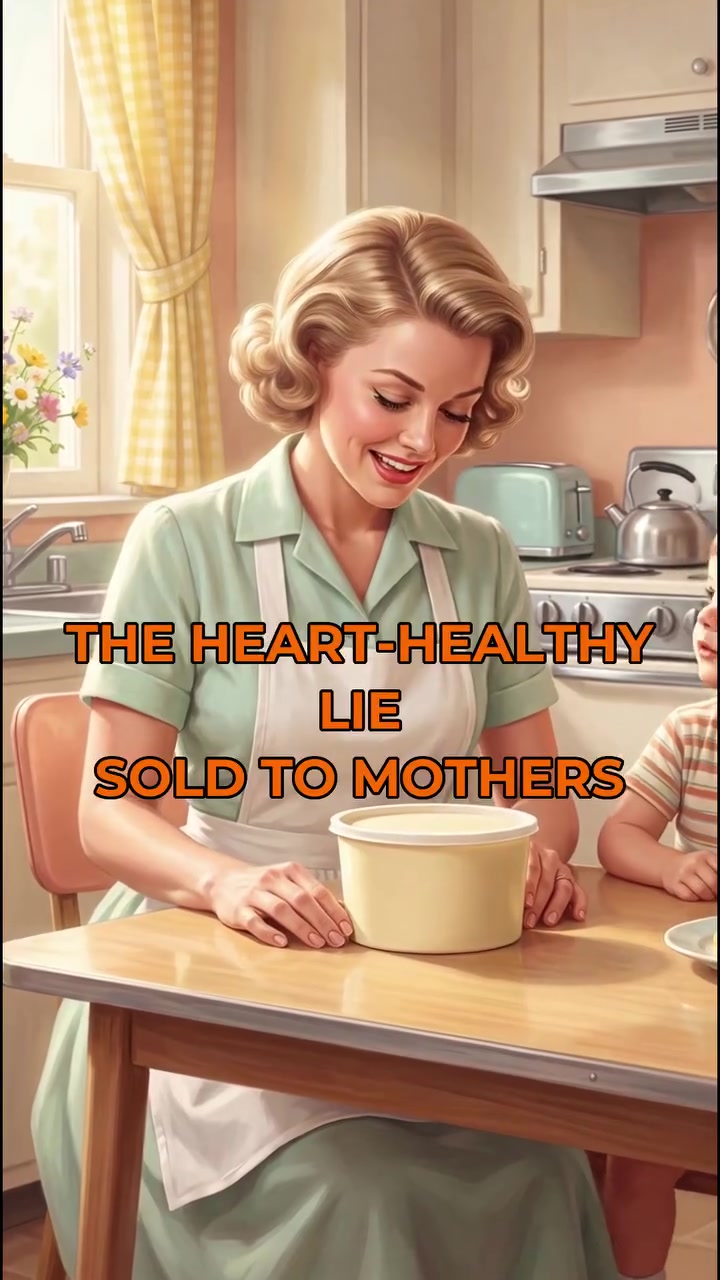
The Unmasking of a Midcentury Miracle: Margarine's Shifting Role in Heart Health
Margarine was once championed as a heart-healthy alternative to butter, marketed to mothers as a shield against cardiovascular risk. French chemist Hippolyte Mège-Mouriès invented this butter substitute in 1869 for Napoleon III's army; beef fat dyed butter-yellow. This oil-based product was churned out by forcing hydrogen through vegetable oil, producing the first industrially made, hard-to-digest fat: trans fat. Margarine wasn't just a product, it was a polarizing "food". Dairy farmers fought back. Legal battles and regulations followed. Adele Margaret Martin wrote an article reacting to a pickle dispute between New York and New Jersey, 1934. Trans fats became a staple of margarine, and—touting the endorsement of heart foundations—it was sold to consumers as a savior to their heart's health. Back in 1948, the makers of Crisco handed the American Heart Association (AHA) a $1.7 million from a radio contest. For forty years, AHA reaffirmed the crusade to cut butter. Then, in June 1993, Harvard researchers tracking 85,000 nurses found those eating the most trans fat had far higher heart disease risk. Others who had eaten lots of butter had half the risk and better health outcomes. By 2018, trans fats were banned in America.
The Tarnish of Trans Fats
How did margarine become a dietary villain? For decades, it was seen as a healthier alternative. This shift in culinary morality started around one ingredient: trans fats. In 2003, Denmark banned it. It took a few years but by 2015, countries across the world were following suit. The Food and Drug Administration (FDA) also came to the same conclusion when they announced the ban in 2018. Today, trans fats are in the hot seat, banned in margarine; we still see some in packaged snacks, processed food. Many companies continue to use the ingredient which offers a desirable texture and long shelf-life for margarine.
From Butter Substitute to Scourge: Butter's Reversed Roll
The battle lines of "good and bad" fats have shifted. Scientists have known since the 1960s that trans fats dramatically increase the risk of heart disease. Butter, meanwhile, has been vindicated by more recent studies. Butter, with trans fats banned, is not a heart-disease villain. Butter is well-tolerated by the body. Manufacturers have doctored margarine by swapping in other ingredients. Margarine from the 1980s is gone. Today’s margarine is a different beast.
The Hydrogenation Lie
This process involves forcing hydrogen through vegetable oil to solidify it and make it spreadable. Hydrogenation creates trans fats, found to be harmful. Manufacturers continue to use hydrogenation despite the risks. The latest alternative to hydrogenation is interesterification, a process which produces an entirely different type of fat. This fat lowers the good cholesterol and increases the bad kind. It's 'easy' on the heart. The FDA's decision came in 2015. Manufacturers could remove trans fats from margarine. They got time to submit their strategies for reducing and eliminating trans fats in their products. The FDA deadline for removing the ingredient is January 2020. They say it's not clear whether products designed to replace these fats are as good. This is where the FDA comes in. They intend to get the best of both worlds. They want margarine that's rich in antioxidants, flavour, and texture and does not contain harmful fats.
Beyond Margarine: The Broader Fat Debate
The history of margarine is not just a cautionary tale about trans fats. It highlights how the "thin line" between solid science and marketing can blur. Fueled by good intentions or profit, bad science has influenced public health. It is important to question the evidence on which food recommendations are based. Stories reveal that the makers of Crisco handed the AHA a $1.7 million donation from a radio contest. This makes it harder to stomach the idea that the organization was above the fray, selling what they believed was a heart-healthy spread. In the 1960s, the AHA was heavily promoting margarine. . There was no clear science behind the fats. Margarine was a healthy alternative, recommended as a substitute to butter by those who believed it was a good option for those suffering heart disease. The myth was promoted until margarine was branded unhealthy. It took decades to discard margarine. When it emerged that the product was actually harmful. ##Making a Butter Decision
- Learn to Read Labels: to spot trans fats and avoid them. In 2018, the FDA announced that by 2020, manufacturers must remove trans fats from all foods and beverages. Trans fats are linked to increased risk of heart disease, stroke, and diabetes. Choose spreads made with healthy fats, such as olive oil. Butter made with whole cream and butter from animals fed grassy diets.
- Consider Health Claims: paying attention to health claims on food labels. Despite the FDA's regulation of trans fats, some food products still contain these harmful fats. Be cautious of front-of-package claims that may mislead you. Try to pick butter or spread products with no hydrogenated vegetable oils.
- Cook at Home: start with whole foods and make your own. Replace butter and shortening with olive oil, or sprinkle lemon juice and use a pinch of salt. Simple homemade mayonnaise is delicious and satisfying. Naturally ~ two eggs. Blend in olive oil. Add lemon juice to taste. Spread one tablespoon on slices of bread. Those who prefer butter and shortening on a daily basis, should be aware that the human body is unable to metabolise trans fats.
Questions readers ask
What is margarine and why was it initially considered a healthier alternative to butter?
Margarine is a butter substitute that was created in the 1860s by a French chemist. It was initially marketed as a healthier option because it was lower in saturated fats compared to butter, which was believed to be detrimental to heart health. The American Heart Association (AHA) initially endorsed margarine because it was seen as a way to lower cholesterol and reduce the risk of heart disease.
How did trans fats become a problem in margarine?
Trans fats were created during the process of hydrogenation, which was used to make vegetable oil solid and spreadable. This process was first used in the production of margarine. Over time, scientists discovered that trans fats significantly increase the risk of heart disease, leading to a shift in the perception of margarine from a heart-healthy option to a dietary villain.
What are trans fats?
Trans fats are a type of unsaturated fat that are created during the process of hydrogenation, which involves forcing hydrogen through vegetable oil to solidify it. They were commonly found in margarine and other processed foods. Trans fats have been linked to an increased risk of heart disease, which is why they have been banned in many countries, including the United States.
How did the FDA's decision to ban trans fats affect the production of margarine?
The FDA's decision to ban trans fats in 2015 meant that manufacturers had to reformulate their products to remove or significantly reduce trans fats. This led to the creation of new types of margarine that use alternative processes, such as interesterification, to achieve a similar texture and spreadability without the harmful effects of trans fats.
What is interesterification and how does it differ from hydrogenation?
Interesterification is a process used as an alternative to hydrogenation in the production of margarine. Unlike hydrogenation, interesterification does not create trans fats. Instead, it rearranges the fatty acids in vegetable oils to achieve a similar texture and spreadability. However, some studies suggest that the fats produced through interesterification may still have negative effects on cholesterol levels, although they are considered less harmful than trans fats.
Why did the American Heart Association's stance on margarine change over time?
The American Heart Association initially endorsed margarine as a heart-healthy alternative to butter. However, as research emerged in the 1990s showing that trans fats in margarine increased the risk of heart disease, the AHA's stance shifted. By 2018, trans fats were banned in America, and the AHA no longer promoted margarine as a healthier option.
Can I still find trans fats in margarine?
Today, trans fats are banned in margarine in many countries, including the United States. However, some packaged snacks and processed foods may still contain trans fats. It's important to check the ingredient list and nutrition facts label when purchasing food products to ensure they do not contain trans fats.
Related deep dives
Similar reads based on topic and creator.



Recent articles
Fresh deep dives from the latest Reels we unpacked.



Comments
Be the first to comment.