The Clear Kayak Connection
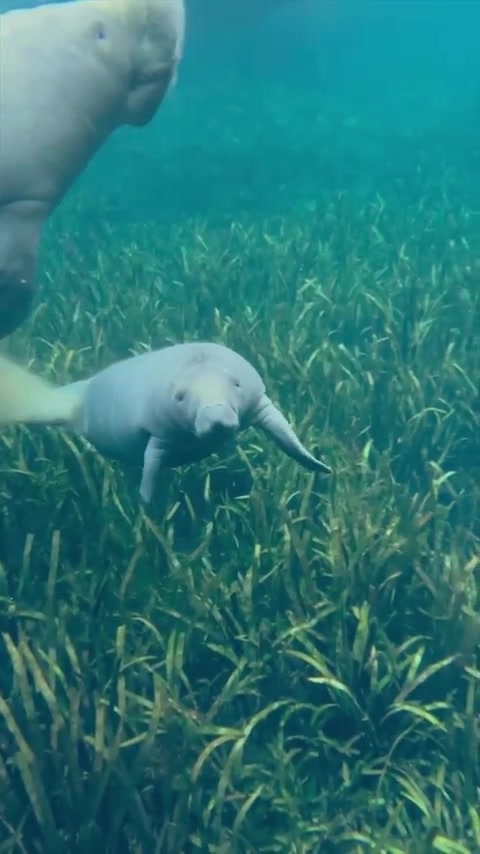
In the clear waters of Silver Springs, Florida, manatees munch on seagrass, their calm grazing disrupted only by the gentle brush of a kayak paddle. The clear kayaks offer a unique and intimate view of these gentle giants as they forage, highlighting the perfect balance between human curiosity and the natural habitat of these marine creatures. The seagrass beds of Florida offer a wealth of information about the interactive ecosystem where manatees reside.
Manatees in their Natural Habitat
Silver Springs, Florida, is a hotspot for manatees. Manatees are herbivorous marine mammals, often referred to as sea cows, and seagrass makes up a significant portion of their diet. They spend most of their day grazing on seagrass, consuming up to 130 pounds of it each day. Seyagrass beds also offer them cover and protection against predators. Manatees can weigh as much as 1,200 pounds and grow up to 13 feet long. Their average lifespan in the wild is 40-60 years, making them one of the longest-living marine mammals. The gentle animals are listed as vulnerable to extinction according to the International Union for Conservation of Nature (IUCN) Red List, primarily due to human activity. Their peaceful nature and slow-moving habits make them susceptible to boat collisions, habitat destruction, and entanglement in fishing gear. Conservation efforts are crucial for their survival.
Human Encounters and Conservation
Clear kayaks have become a popular way to observe manatees in their natural habitat while minimizing disturbance. Through the kayaks’ transparency, tourists can view the manatees up close, and the animals can continue their foraging. Clear kayaks also facilitate a unique interaction. When people kayak in seagrass meadows, they come across manatees swimming close to their kayaks. These kayaks make impeccable platforms for taking photos and videos of the animals, as seen in the beautifuldestinations reel.
Silver Springs, Home to Manatees
Silver Springs, an area with the largest natural spring in the state of Florida, is one of the most popular places for tourists to kayak and experience manatees up close. The underground waters of Silver Springs are crystal-clear, which makes it the ideal spot for clear kayaking. Kayakers can witness the habitat where manatees thrive. Manatees are common in these waters during the winter months and can be spotted in the state throughout the year. Clear kayaking at Silver Springs offers tourists a taste of the natural wonders of Florida.
The Clear Kayaking Experience
The person’s presence — seen from the kayak — does not disturb the manatees, whose species is known for its placid nature. The manatees continue to graze on the seagrass, even when a kayak comes close. Their gentle nibbling of the seagrass and nonchalant swimming is both a testament to these animals’ laid-back nature and the calming effect of kayaking without disturbing them. The serene scene becomes a perfect mix of tourist and wildlife interaction. At some point, kayakers may encounter a curious manatee who likes to keep up with their kayaks, who decides to join the paddlers for a bit of company. Though the kayakers may be delighted by this sight, they must be cautious and ensure that they do not disrupt the animal's natural feeding and swimming. Kayakers need to follow the guidelines provided by the local authorities to ensure that they do not disrupt the manatees.
Manatees Up Close
Kayakers get to see the manatee's elegant flippers and its small tail. Manatees move gracefully through the water. The gentle giants have smooth, gray skin and deep, round tails. Even after the kayakers kept a safe and respectful distance, they were able to catch the gentle animals in the midst of their aquatic dumpsters. The animals continue to feed on seagrass. Manatees often rest in shallow waters, using thermal springs to regulate their body temperatures. In the cold months, tourists can spot manatees huddled together.
A gentle giant
Manatees are swim athletes. They are known for their steadfast swimming abilities, which they use for foraging along the grass beds. The manatees can hold their breath underwater for up to 20 minutes, and can sleep underwater for up to 4 to 5 minutes at a time. The gentle giants are omnipresent at Silver Springs. During the weekends, kayakers take advantage of the calm waters, which offer a unique window to the underwater world. What should I do if a manatee approaches me? They are playful and curious, but will not react if you do not disturb them. They may come close to you, but it is essential that you keep your distance, no matter how close the manatee is to your kayak. Do not touch or feed the manatees. This is to protect them and yourself. Do not pollute the waters. Keep the area clean and respect the home of these gentle giants. **Do clear kayaks suit all kayakers? ** Clear kayaks come in different sizes and are suitable for a variety of paddlers. They are slightly heavier than regular kayaks, and might not be suited for trekking. However, clear kayaks are incredibly safe and durable.
Questions readers ask
What do manatees primarily eat in their seagrass habitats?
Manatees are herbivorous and primarily eat seagrass. In fact, seagrass makes up a significant portion of their diet, and they can consume up to 130 pounds of it each day while grazing in their natural habitats. The seagrass beds also provide them with cover and protection.
How do clear kayaks help in observing manatees without disturbing them?
Clear kayaks allow tourists to observe manatees up close while minimizing disturbance. The transparency of the kayaks enables people to view the manatees without the animals being aware of their presence, allowing the manatees to continue foraging undisturbed.
Why are manatees considered vulnerable to extinction?
Manatees are listed as vulnerable to extinction by the IUCN Red List, primarily due to human activity. Their slow-moving nature and peaceful habits make them susceptible to boat collisions, habitat destruction, and entanglement in fishing gear, all of which require conservation efforts for their survival.
What makes Silver Springs, Florida, an ideal spot for clear kayaking?
Silver Springs, Florida, is an ideal spot for clear kayaking due to its crystal-clear waters, which are perfect for viewing manatees in their natural habitat. The area is home to the largest natural spring in the state and is a popular destination for tourists to kayak and experience manatees up close.
What kind of interaction can kayakers expect with manatees?
Kayakers can expect a calm and non-intrusive interaction with manatees. The manatees often continue to graze on seagrass even when kayaks are nearby, and sometimes, a curious manatee might join the kayakers for a bit of company. This serene scene allows for a unique and peaceful wildlife experience.
How do conservation efforts help manatees in their seagrass habitats?
Conservation efforts are crucial for the survival of manatees, as they help protect the animals from human-related threats such as boat collisions, habitat destruction, and entanglement in fishing gear. These efforts aim to preserve the seagrass habitats where manatees thrive and ensure their long-term survival.
What is the average lifespan of a manatee in the wild?
Manatees have an average lifespan of 40-60 years in the wild, making them one of the longest-living marine mammals. This long lifespan is a testament to their adaptability and the importance of their seagrass habitats for their survival.
Related deep dives
Similar reads based on topic and creator.

Recent articles
Fresh deep dives from the latest Reels we unpacked.

Comments
Be the first to comment.