**Petrifying Lake in Tanzania:
How Connection to Ancient Egyptians, its Deadly Effects, and Surviving Flamingos** in Natron
natron is a hidden gem in Tanzania, where animals turn into stone statues under its unnatural red water. This lake holds a dangerous paradox—it petrifies anything it touches, yet sustains life.
The Ancient Salt Lake With a Toxic Twist
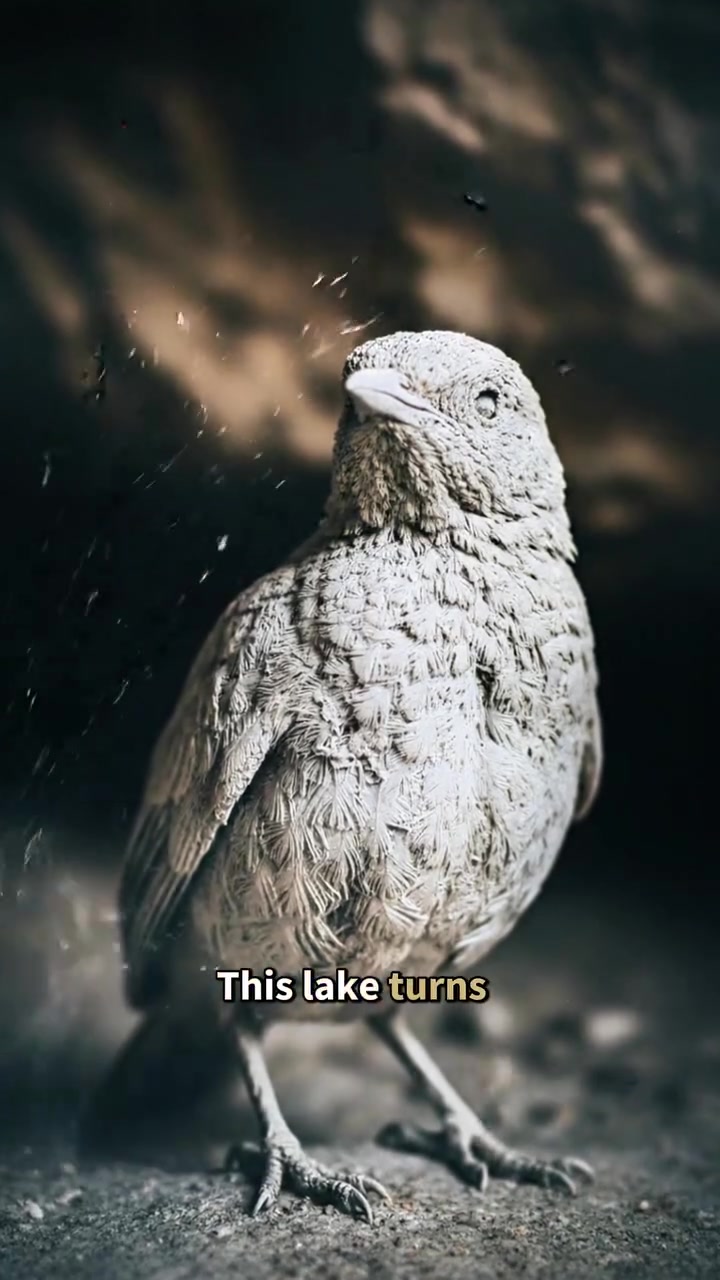
Nestled in the heart of Tanzania, Lake Natron is a geological marvel with unique characteristics. The lake's distinct red hue is caused by the mineral natron, a natural salt formed when the lake gets fed by a nearby volcano. Beyond its striking appearance, it is a deadly environment for almost all wildlife. The water’s caustic properties, more potent than ammonia, preserve animals by slowly turning dead ones to stone, often found frozen in place, like statues of stone. The same mechanism has turned most animals that die into perfectly preserved mummies. This petrification occurs due to the lake's extremely high alkaline content. The caustic fluid is responsible for the sodium carbonate-rich crust of Lake Natron. This makes it impossible for most animals to enter the lake without turning to stone. This natural process of preservation is similar to what the ancient Egyptians once used to preserve their dead. The same salt found in Lake Natron—the natron—served as the ancient Egyptians' primary mummification agent. They believed it was a sacred substance, possessing purifying and preservative properties. The ancient Egyptians would use natron to dry out and preserve the internal organs of pharaohs, royalty, and priests.
A Paradoxical Habitat
Lake Natron is more than a dangerous trap. Its extreme conditions create an unlikely safe haven for millions of flamingos, which are able to withstand the caustic waters. Flamingos nest here, thriving in the deadly water that also preserves the deceased animals. This strange phenomenon makes Lake Natron a paradoxical habitat where both death and new life coexist.
Causes and Effects
The lake’s high alkalinity is caused by volcanic activity. Molten lava mixes with groundwater, creating a highly alkaline environment. The alkaline compounds draw into the lake with a natural renewing process. The high concentration of natron in the lake is why it turns anything to stone after death.
The Salt Crystals and Preservation Process
Once dead, creatures such as fish, insects, and even birds get covered in the lake’s salt crust. Over time, the salt penetrates the flesh, gradually replacing it with a thick layer of minerals. This preserves the bodies in a crystalized form. The mineral-rich water penetrates the bodies, gradually replacing organic matter with minerals, creating intricate, petrified sculptures.
Life in a Petrifying Environment
Despite the lake’s lethal environment, millions of flamingos live and nest near its shores. The birds exploit the lake's environment by feeding on microorganisms and bacteria that thrive in the alkaline water. Lake Natron is the largest breeding ground for lesser flamingos—a species that feeds on the lake’s crustaceans and algae.
Minimizing Exposure and #Safety at the Petrified Lake
Those visiting Lake Natron should limit their time in the water, as the caustic and strong salt content can cause irritation. Always wear protective gear, including gloves and waterproof boots, to protect against the lake’s harsh environment
- Limit Exposure: Do not stay in the water for longer than 10-15 minutes. The caustic properties of the water can cause skin irritation and burning.
- Wear Protective Gear: Wear gloves, boots, and a mask to protect against the lake’s harsh environment. This will also protect your camera gear.
- Respect the Environment: Do not disturb the flamingo nests or any petrified animals. Be cautious of the wildlife around the water.
The Deadly Example of Lake Natron
Lake Natron stands out as an example of a duality—a stark reminder of the natural world's complexities. Focusing both on the preservation of ancient bodies and the existence of modern species, the lake serves as a peculiar illustration of life's persistence and tenacity. With its preservation process, it heeds a reminder of the ancient preservation methods used by the Egyptians, yet presents an environment that can sustain a million birds in its waters, making it an irreplaceable geological marvel — as well as the perfect paradox.
Questions readers ask
What exactly is natron, and how does it turn animals into stone?
Natron is a natural salt found in Lake Natron, primarily composed of sodium carbonate. When animals die and come into contact with the lake's water, the high alkaline content of natron gradually replaces the organic matter in their bodies with minerals, effectively turning them into stone statues over time.
How does Lake Natron’s water compare to other bodies of water in terms of toxicity?
Lake Natron’s water is exceptionally toxic, even more so than ammonia. Its caustic properties are due to the high concentration of natron, which makes it deadly for most animals. This extreme alkalinity is what gives the lake its petrifying capabilities and its distinctive red hue.
How do flamingos survive in such a harsh environment?
Flamingos are uniquely adapted to thrive in Lake Natron’s harsh conditions. They feed on microorganisms and bacteria that flourish in the alkaline water, which allows them to live and nest near the lake’s shores. Moreover, the lake’s extreme conditions create a safe haven from predators, making it an ideal breeding ground for lesser flamingos.
Is the process of petrification in Lake Natron similar to ancient Egyptian mummification?
Yes, the process is quite similar. The ancient Egyptians used natron to dry out and preserve the bodies of their dead. The same natron found in Lake Natron served as their primary mummification agent, highlighting the unique preservative properties of this natural salt.
What causes the red color of Lake Natron’s water, and is it always this color?
The red color of Lake Natron’s water is primarily due to the presence of the mineral natron and the algae that thrive in its alkaline environment. The color can vary slightly depending on the concentration of minerals and algae, but it is typically a striking red.
How does the lake’s environment affect the animals that enter it, and are there any animals besides flamingos that can survive in Lake Natron?
The lake’s environment is deadly to most animals due to its high alkalinity, which turns dead animals into stone statues. Flamingos are the primary species that can survive and thrive in this environment. Other animals, if they die and enter the water, will be preserved as petrified sculptures, but they cannot survive the lake’s toxic conditions.
Are there any safety precautions one should take when visiting Lake Natron?
Visitors should avoid direct contact with the lake’s water and take precautions. The lake’s high alkalinity can cause severe skin and eye irritation, and prolonged exposure can be dangerous. It’s essential to follow guidelines and stay on designated paths to minimize contact with the water and the surrounding salt crust.
Related deep dives
Similar reads based on topic and creator.



Recent articles
Fresh deep dives from the latest Reels we unpacked.



Comments
Be the first to comment.