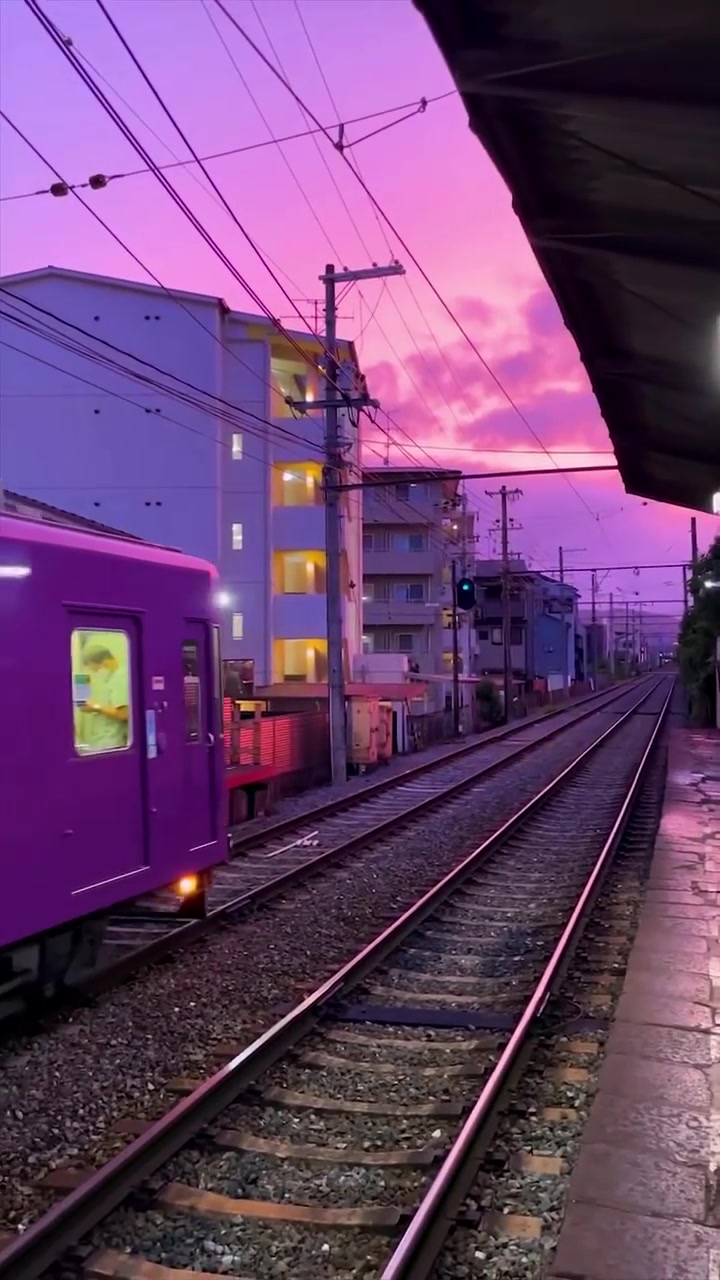
The Keifuku Randen Tram Line in Kyoto offers a tranquil journey that contrasts with the frenetic pace of Tokyo. The experience combines historic and modern elements of Japan in a single ride, giving passengers a glimpse into both the ancient and contemporary facets of the city. This public transportation option preserves the historical legacy of Kyoto's iconic rail systems while providing a scenic route that showcases the city's rich cultural heritage.
The Keifuku Randen Tram Line
The Keifuku Randen Tram Line, also known as the Randen Line, is an essential aspect of Kyoto's train network. The tram line runs through scenic and historic areas in Kyoto and connects many attractions, making it a convenient and picturesque way for locals and tourists to move around the city. The keifuku railway line is known for the tram tracks that run through the streets of Kyoto, blending the city’s urban landscape with the lush natural surroundings. The Randen Line is unique because it is a streetcar railway that is an integral part of Kyoto's heritage. The electric-powered tram cars traverse both urban and rural areas, a fact that makes it a distinct experience. Passengers get a chance to see both the modern commercial districts and the serene, nature-oriented locations that Kyoto is famous for. The line also adds to the city’s charm by moving through traditional and modern streets as well as gardens and shrines. The Randen Line’s contribution to Kyoto’s cultural heritage is evident, as it not only represents the city’s connection with history but also helps preserve it. There are no other forms of public transport in Kyoto that showcase this unique combination of historic sites and modern infrastructure. Unlike modern trains and trams in urban areas that do not have much to look at, the natural surroundings of the Keifuku Tram Line are beautiful. The karasuma line in particular runs through Kyoto’s eastern and northern areas, providing passengers with a scenic route to enjoy the beauty of Kyoto while also arriving at their destination. The rail line also rolls through the Arashiyama Bamboo Forest, which is a must-see for any traveler to Kyoto. The tram line passes through gardens like the Shinnyodo Temple’s garden, offering a peaceful and serene experience.
Kyoto's slowness
The Randen Line offers a slower pace of travel that stands in stark contrast to the fast-paced pace of Tokyo’s daily life. This is an opportunity to enjoy the beauty and tranquility of Kyoto at a leisurely pace. The slower pace of the tram is a reflection of Kyoto’s cultural laid-back nature and the fact that it represents a time when the city was less hurried and more reflective. The contrast between Tokyo’s busy streets and Kyoto’s serene alleyways makes it an even more appealing experience. The slower pace of life in Kyoto is one of the reasons why the Keifuku Tram Line and the city itself are appealing to visitors. It is a serene experience that contrasts starkly with the bustle of Tokyo, offering travelers a glimpse into a more peaceful side to life. People often ask, “Is there anything to do in Kyoto besides seeing temples?’ The answer is a resounding yes. The Keifuku Tram Line, and Kyoto in general offer much more than just ancient temples. The city has a vibrant cultural heritage reflected through its shrines and gardens. For example, the Tofukuji Temple is known for its beautiful autumn foliage and the Kiyomizu-dera is famous for its cherry blossom trees. The Randen Line also affords passengers the chance to experience Kyoto’s rich cultural heritage.
The route
The Keifuku Tram Line connects key attractions and scenic spots across Kyoto, providing a comprehensive journey through the city’s highlights. The Arashiyama Line, in particular, starts at the Arashiyama Station in the western part of Kyoto, running through the northern and eastern parts of the city, including the famous Arashiyama Bamboo Forest. The tram passes through several notable landmarks, including the Golden Pavilion (Kinkaku-ji), the Silver Pavilion, and the Tenryuji Temple. This scenic route allows passengers to experience Kyoto’s natural beauty and historical sites, offering a panoramic view of the city’s heritage.
The stations
The Randen Line's stations showcase both modern and traditional elements, offering passengers a glimpse into the city’s rich history and culture. The Shinnyodo Station stands out, featuring a traditional Buddhist temple surrounded by serene gardens. This stop provides a tranquil experience, allowing visitors to explore the temple and its stunning gardens. Other notable stations include the Arashiyama Station, which serves as a gateway to the Arashiyama Bamboo Forest, a must-see attraction known for its tranquil paths lined with towering bamboo stalks. Additionally, the Omiya Station offers easy access to Kinkaku-ji, the Golden Pavilion, a UNESCO World Heritage Site renowned for its gold leaf-covered exterior and surrounding gardens.
The Experience
Riding the Keifuku Randen Tram Line offers a sensory experience that is both calming and educational, something that is unique to Kyoto. For example, the tram cars’ clear panoramic windows allow for uninterrupted views of Kyoto’s scenery, and the tram’s slower speed lets passengers fully absorb the passing landscapes. The experience is a journey through Kyoto’s heritage, with the sound of the tram’s wheels on the tracks and the surrounding forest’s rustling leaves making it a sensory delight. For travellers keen to learn more about Kyoto’s culture, the tram also allows them to see signs and historical landmarks in Japanese, offering a glimpse into Kyoto’s historical heritage.
The layout of Kyoto
This line is unmissable for travelers of Kyoto because the city’s layout is unique. Kyoto is an old city, with streets that have been in existence for centuries, unlike some modern cities that are planned in a grid. As a result, this can make it difficult to navigate. The Randen Line, therefore, serves a practical purpose in addition to being a scenic and cultural journey. For tourists, navigating the city is easier with access to the Randen Line for both understanding and exploring Kyoto’s layout.
For travelers
- Glance: For travelers interested in understanding Kyoto’s layout, the Randen Line is an ideal choice. It gives them a panoramic view and a sense of direction. It also serves as a historical tour.
- Comfort: The tram’s air-conditioned cars ensure a pleasant ride even during Kyoto’s hot summers, making trips comfortable.
- Seating: Be aware that the seats can sometimes be uncomfortable. Many of the seats are facing each other, which can be a bit awkward for many.
- Timing: It’s a good idea to time your journey around meals or drink breaks to make the most of your experience.
- Passes: Pay close attention to the pricing. There are various passes available for those who would like to take multiple journeys, for example, a two-day pass or a multi-day pass.
- Frequency: The Randen Line runs frequently, with trams arriving approximately every 10 to 15 minutes.
Questions readers ask
What makes the Keifuku Randen Tram Line unique compared to other forms of public transportation in Kyoto?
The Keifuku Randen Tram Line, or Randen Line, is unique because it's a streetcar railway that integrates historic and modern elements of Kyoto in a single journey. Unlike other public transport options, it showcases a blend of urban and natural landscapes, passing through both modern commercial districts and serene gardens and shrines. This combination of historic sites and modern infrastructure is not found in any other form of public transport in Kyoto.
How does the Keifuku Randen Tram Line contribute to Kyoto's cultural heritage?
The Keifuku Randen Tram Line is an integral part of Kyoto's heritage, not just as a mode of transportation but also as a living link to the city's past. It preserves the historical legacy of Kyoto's iconic rail systems and offers a scenic route that highlights the city's rich cultural heritage. By moving through traditional and modern streets, gardens, and shrines, it helps maintain and showcase Kyoto's unique charm.
What can passengers expect to see during a journey on the Keifuku Randen Tram Line?
Passengers can expect a tranquil journey that offers a glimpse into both the ancient and contemporary facets of Kyoto. The line passes through scenic areas like the Arashiyama Bamboo Forest and the gardens of the Shinnyodo Temple, providing a serene and picturesque experience. The slower pace of the tram allows passengers to enjoy the beauty and tranquility of Kyoto at a leisurely pace.
What is the significance of the Keifuku Randen Tram Line's slower pace of travel?
The slower pace of the Keifuku Randen Tram Line is a reflection of Kyoto’s cultural laid-back nature. It offers a stark contrast to the fast-paced life of cities like Tokyo, providing travelers with a serene and reflective experience. This slower journey allows passengers to fully appreciate the beauty and tranquility of Kyoto, making it a unique and appealing experience.
Does the Keifuku Randen Tram Line offer any practical advantages for tourists?
Yes, the Keifuku Randen Tram Line is a convenient and picturesque way for tourists to move around Kyoto. It connects many attractions, making it easy to travel between different parts of the city. Additionally, the scenic route provides a unique opportunity to see both historic and modern elements of Kyoto, enhancing the overall travel experience.
Related deep dives
Similar reads based on topic and creator.



Recent articles
Fresh deep dives from the latest Reels we unpacked.



Comments
Be the first to comment.