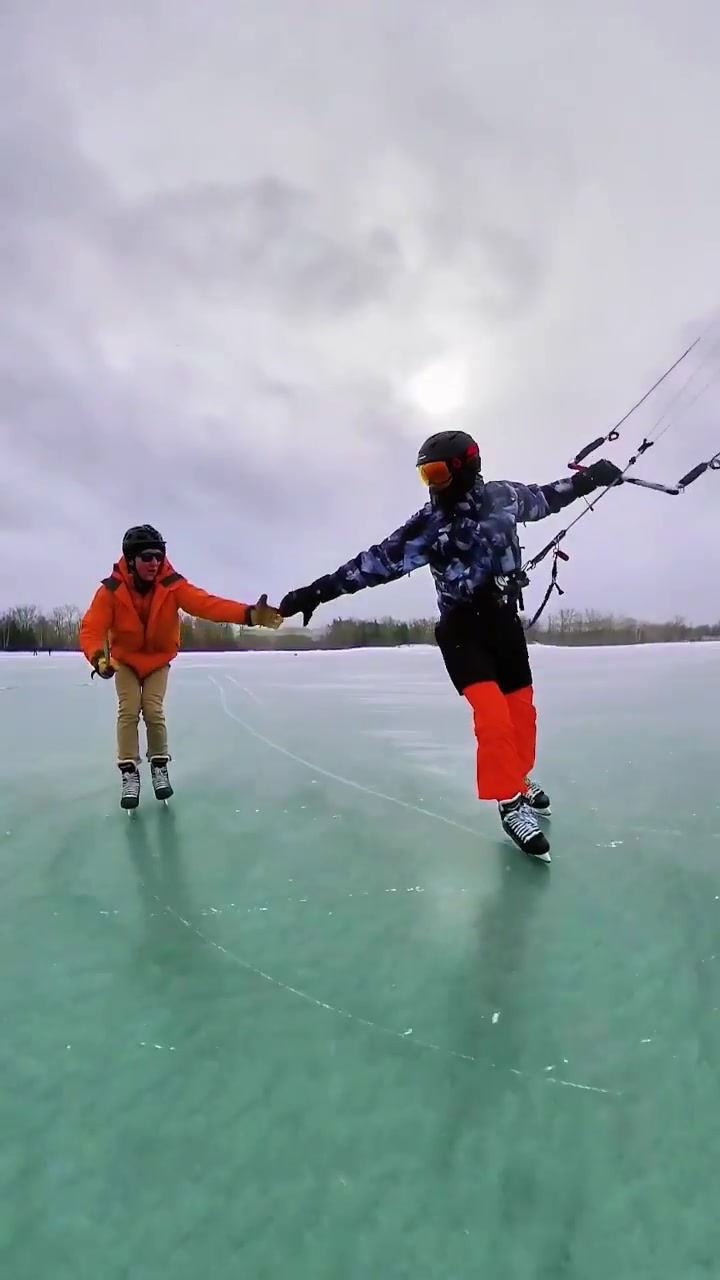
Kite ice skating is a spectacle of winter adventure. It takes ice skating to a new extreme, harnessing the power of a kite to zip across frozen surfaces.
What is kite skating?
Kite ice skating is a hybrid sport that combines ice skating and kiteboarding. But unlike the more widely known kiteboarding on water, this variation skims across the frozen surface of a lake or other frozen bodies of water - using the wind force to propel skaters at high speeds. The kite itself is equipped with a harness system worn by the skater. Skates are typically a standard pair of ice skates, allowing skaters to stand and glide on the ice. The skater steers the kite and uses its power to propel themselves across the ice. While traditional ice skating is confined to the power of the skater, kite ice skating increases speed and maneuverability with the help of the wind. It can be breathtaking and dangerous, demanding expert control of both ice skates and a kite.
How kite ice skating fits today’s active lifestyle trends
Today, people seek outdoor excitement with more edge. Kite ice skating fits right into a growing trend of extreme winter sports. Traditional winter sports like skiing and snowboarding attract large crowds and generate significant revenue. The sport's origins might not be definitively known, but kite ice skating surfaced on Instagram in recent years as adventurers sought the extreme thrill of harnessing wind power on ice. Larger audiences crave excitement, and sports like kite ice skating provide adrenaline-pumping moments. And yet, the novelty of this hybrid sport also poses risks. At a glance, ice skim looks like a high-speed, ice-riding rollercoaster, balancing skating, kite flying, and the unpredictability of weather. Without proper knowledge, gear, and ice conditions, accidents can happen. Kite ice skating is known to be a high risk — though the actual incident rate remains unclear.
Wind power over ice
Power From Above
Ice skaters harness wind power for added speed and agility. The kite acts as a sail, capturing the wind’s force. The stronger the wind, the faster the kite can propel the skater. Kite sizes range from small to large, depending on the wind conditions and the skater’s skill level. Wind power enables kite ice skaters to reach higher speeds than traditional skaters.
How it works
Practitioners of kite ice skating wear a harness system attached to the kite. This harness allows the skater to steer and control the kite while maintaining stability on the ice. When the wind is strong and steady, the kite provides additional propulsion, allowing skaters to glide effortlessly across the ice. But the wind can also be unpredictable. The skater must stay alert to adjust their position and maintain control of the kite, especially when wind gusts lead to unexpected changes in speed. Sudden gusts can catch a skater off guard, posing a risk of falling or losing control.
Skating Surface
Kite skating also depends on the ice itself. Skaters need a large, smooth, and solid surface, typically a frozen lake or pond. The ice should be thick enough to support the weight of the skater and the kite. The quality and thickness of the ice help determine which skates and kites are appropriate for the session. There may be safety risks if the ice is not solid enough or if there are cracks or uneven patches. Therefore, assessing the conditions and choosing the right gear is critical for a safe experience.
The ice skating versus kite skating experience
Speed and agility
Kite ice skating’s blend of wind power and ice gliding is a thrilling experience. Skaters can reach high speeds with minimal effort. The kite’s propulsion allows for sharper turns and more dynamic movements, unlike traditional ice skating. Obviously, increased speed and agility demand acute control over the kite, skates, and body balance. For many, that risk factor is part of the allure.
Adrenaline surge
Speed and the wind’s unpredictability make for a rush. Even a moment of relaxation can end in a sudden start or stop. Kite ice skating offers an exciting wave of adrenaline for extreme sports enthusiasts. The experience requires mental alertness and physical preparation. While traditional ice skating is about mastering dancing with ice, kite ice skating adds a wave-rider’s mastery of wind and momentum.
What to try
Those who want to try kite ice skating should keep a few key points in mind to ensure a safe and enjoyable experience.
- Preparation: Gather the right gear, including a quality kite and harness system, ice skates, safety equipment, and possibly a helmet. Make sure the equipment is in good condition and is appropriate for the weather.
- Location and weather: Choose a frozen lake or pond with thick, smooth ice. Avoid areas with cracks or thin ice. Check the weather forecasts for wind conditions and air temperature.
- Training and expertise: Learn and master both ice skating and kite control separately. Experienced skaters and kiteboarders should seek training specifically for kite ice skating. Practice in a controlled environment to understand how wind and ice conditions affect the sport.
- Safety first: Always prioritize safety by wearing appropriate protective gear, like helmets and knee pads. Be aware of potential dangers, including shifting weather, unstable ice, and other obstacles.
Questions readers ask
What kind of kite is used for kite ice skating, and can I use any kite I already own?
Kite ice skaters typically use kites designed for kiteboarding, which are built to withstand the forces exerted by wind and ice. These kites are specifically engineered for power and control. Standard recreational kites might not be suitable due to differences in design and durability. If you’re new to kite ice skating, it’s best to invest in a kite designed for the sport or rent one from an experienced source.
How do I know if the ice is safe for kite ice skating?
Safety is paramount when choosing a skating surface. Ideally, the ice should be at least 4 inches thick to support the weight of the skater and the kite. Always check the ice conditions before heading out, and avoid areas with visible cracks or thin spots. If possible, consult with local experts or experienced kite ice skaters who know the best spots in your area.
What happens if the wind suddenly changes while kite ice skating?
The wind can be unpredictable, and sudden gusts can pose a risk. Skaters need to stay alert and be ready to adjust their position and control of the kite. If a strong gust hits, it can cause a sudden increase in speed, which might lead to losing control or falling. Practicing in varying wind conditions can help skaters develop the necessary skills to handle these situations safely.
Is kite ice skating a recognized sport, and are there competitions for it?
Kite ice skating is a relatively new and niche sport, so it might not be as widely recognized or organized as traditional winter sports. As of now, there are no major competitions specifically for kite ice skating. However, its growing popularity on social media platforms like Instagram suggests that it could gain more traction in the future.
Can I learn kite ice skating if I’m a beginner in both ice skating and kiteboarding?
Learning kite ice skating can be challenging if you’re new to both ice skating and kiteboarding. It’s recommended to have a solid foundation in both activities before attempting to combine them. Start by mastering basic ice skating techniques and gaining experience with kiteboarding on water. Once you’re comfortable with both, you can gradually transition to kite ice skating with proper guidance and safety precautions.
What safety measures should I take before trying kite ice skating?
Before trying kite ice skating, make sure you have the right gear, including a properly fitted harness, a suitable kite, and quality ice skates. Always check the weather and ice conditions, and avoid areas with thin or unstable ice. It’s also crucial to wear protective gear, such as a helmet and pads, to minimize the risk of injury in case of a fall. If possible, learn from an experienced kite ice skater or take lessons to ensure you have the necessary skills and knowledge.
How does kite ice skating compare to other extreme winter sports like snowkiting?
Kite ice skating and snowkiting both involve harnessing wind power, but they differ in the surface they are performed on. Snowkiting is done on snow, typically open fields or frozen lakes, where the skater wears snow skis or a snowboard. Kite ice skating, on the other hand, is performed on ice, usually frozen lakes or ponds, where the skater uses ice skates. Both sports offer high-speed thrills and require a good understanding of wind dynamics and the respective surfaces.
Related deep dives
Similar reads based on topic and creator.



Recent articles
Fresh deep dives from the latest Reels we unpacked.


Comments
Be the first to comment.