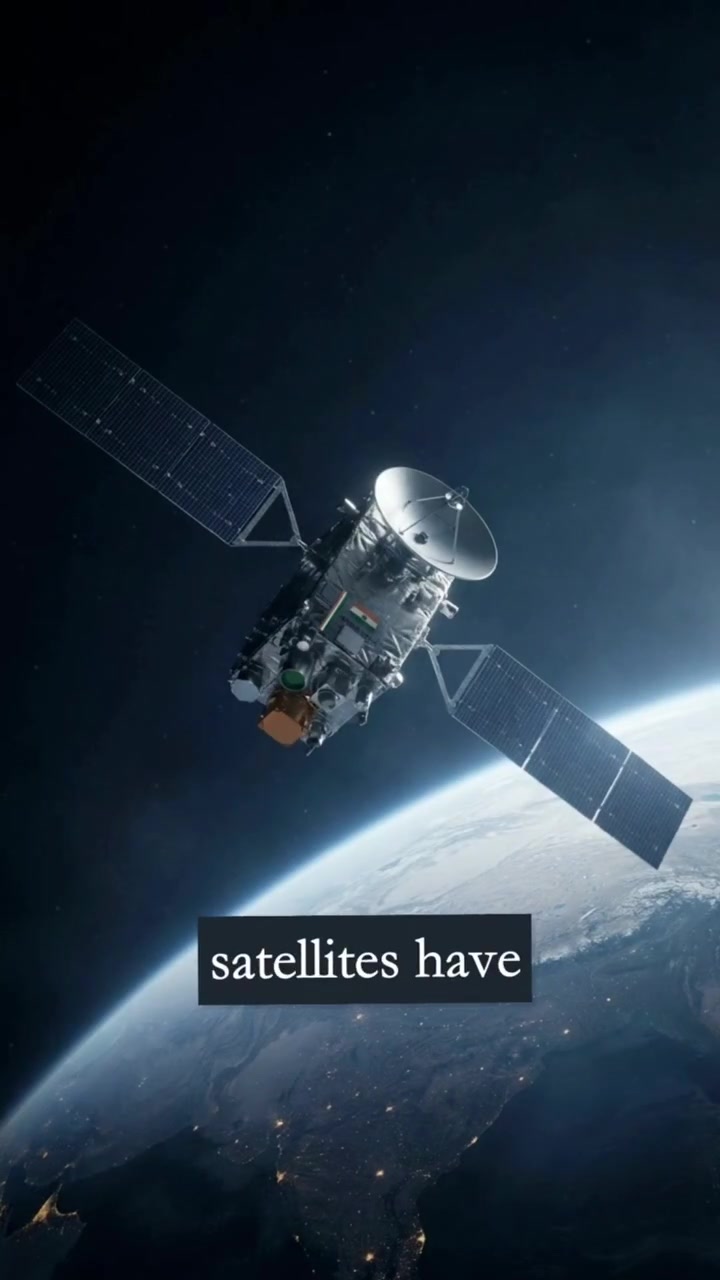
National defense at the speed of light. That's the promise of a new generation of satellites, which make split-second decisions on the battlefield. Traditional spy satellites, however, have a major weakness: by the time they identify a target and beam the data to Earth for review and commands, the opportunity has passed. But Bengaluru-based Kepler Aerospace is upending the paradigm, putting a swarm of satellites to task 200 miles above us. The startup just secured an $8 million seed round to launch a six-satellite constellation.
The Kepler Swarm: Autonomous Satellites
Kepler Aerospace's Kepler Swarm is anything but standard. These aren't idlers waiting for human guidance. Instead, each satellite can make real-time decisions in response to threats. The swarm's primary distinction is its tip-and-cue system. If one satellite detects a suspicious radio frequency from a ship, it instantly engages the other satellites. The second satellite captures an optical image and the third confirms the hit with a thermal image. Kepler Swarm doesn't just wait for launch day. The company has already generated revenue; it operates a global network of over 50 ground stations and manufactures its own defense avionics. The Swarm's technology does more than accelerate responses to threats. When one’s satellite detects an event, such as a ship emitting a suspicious radio frequency, it alerts a second satellite for an optical image and a third for thermal confirmation. The Swarm’s design ensures that the satellites provide reliable and immediate information. These real-time satellite swarms reduce the military-intelligence cycle from months to hours. The idea isn't just about quicker responses. The ability to move decision-making into orbit transforms satellites from mere observers to active participants—a nervous system for the defense. And Kepler isn't just breaking records in speed and efficiency; it's also making operational milestones.
Defense Tech At An Absolute Edge
The impetus for real-time satellite swarms lies in the demands of modern security. As geopolitical tensions escalate, nations need satellites that can act in real-time — not wait for human intervention. Space technology is rapidly evolving to meet this need. Traditional spy satellites, while reliable, are simply too slow for today's threats. Time is no longer a luxury that nations can afford. The need for immediate decision-making capabilities has never been greater. The competition among tech companies is rapidly evolving to transcend the limitations of today's spy satellites. But some satellite swarms do more. Swarms, especially AI-driven autonomous ones, can become the new standard for national defense. Kepler Aerospace stands out in the industry. At the forefront is Kepler Aerospace, which has secured an $8 million seed round and is already revolutionizing space technology. Founded by ISRO veterans Navneet Singh and Kiran Sharma, the startup is pioneering a new era of defense technology.
Deploying The Kepler Swarm
The constellation itself is composed of half a dozen satellites, but what makes the Kepler Swarm unique is its tip-and-cue system. This is a fundamental shift from traditional satellite operations. Instead of a satellite waiting for a command from Earth, each satellite in the Swarm can act independently, coordinate with others, and perform tasks without a lengthy launch-to-action gap. This iterative process, known as the tip-and-cue system, ensures that the satellites work together efficiently, even as they orbit thousands of miles above the surface. The satellites don't just relay visual and thermal data; they also act as a network of sensors and actuators. There's also a practical side to all of this. It's not only about the technology's ability to handle modern threats, but also its functionality. Some of the Kepler satellites are hybrid models that combine infrared, optical, and radio frequency capabilities. Unlike traditional satellites, these multi-mission satellites can perform various tasks, from surveillance to reconnaissance. Rather than relying on a single type of data, the hybrid satellites collect a variety of visual, thermal, and electronic signals. This comprehensive approach ensures that any identified threat is thoroughly analyzed.
Layering Visibility And Response
The technology behind the Kepler Swarm is groundbreaking. At its core is the tip-and-cue system, which provides real-time, responsive information. This means that if a satellite detects something suspicious, it immediately alerts a second satellite for an optical image and a third for thermal confirmation. But the benefits don't stop at speed. The Swarm is also designed to reduce the military intelligence cycle. This is significant because military intelligence is time-sensitive. Delayed responses can mean missed opportunities or, even worse, significant consequences. By cutting the time it takes to identify and respond to threats, the Kepler Swarm not only provides a tactical advantage but also ensures that military operations are more efficient and effective. The satellites can also work in a layered information network. By collecting and integrating data from multiple satellites, the Swarm can provide a comprehensive view of any given situation. This layered approach ensures that military decisions are based on the most accurate and up-to-date information, providing space for more informed decisions.
From Ambition To Actuality
Kepler isn't just a concept or a distant dream. The company has already launched a constellation of satellites in orbit. This is a significant milestone because it demonstrates the practicality of the technology. If a satellite detects something suspicious, it immediately alerts the other satellites in the constellation, who then collect more information. This instant coordination not only speeds up the information relay but also ensures that decisions are based on reliable and complete data. Kepler’s achievement highlights the tangibility of its ambitions. The company’s mission isn’t to just theorize but to deliver successful implementations. At the same time, the company's long-term revenue plan is unique. Kepler generates revenue through more than just satellite launches. It operates a global network of ground stations and manufactures its own defense avionics. This multi-tiered approach allows Kepler to remain self-sufficient and economically viable. Unlike traditional satellite companies, Kepler doesn't wait for external funding. The technologies they develop, including the tip-and-cue system, are already operational and generating revenue.
The Autonomous Satellite Pulse
For anyone interested in the cutting edge of satellite technology, Kepler Aerospace offers a fascinating opportunity. The company is already a leader in the industry, with a constellation of satellites that will soon be a reality in space. Whether you're looking to invest, partner, or simply stay informed, the best first step is to follow their progress on social media, including LinkedIn and any relevant industry forums. As the technology continues to evolve, staying connected ensures you're always at the forefront of innovation.
Questions readers ask
What exactly is the 'tip-and-cue' system that Kepler Aerospace is using in its satellites?
The 'tip-and-cue' system is a key feature of the Kepler Swarm. It allows one satellite to detect a potential threat, like a suspicious radio frequency, and then alert other satellites to gather more information. For example, if the first satellite spots something unusual, it can cue a second satellite to take an optical image and a third to confirm with a thermal image. This coordinated approach ensures quick and reliable information gathering.
How does Kepler Aerospace's approach differ from traditional spy satellites?
Traditional spy satellites typically identify a target and then send the data to Earth for human review and commands, which can take a significant amount of time. Kepler Aerospace's satellites, on the other hand, make real-time decisions on the battlefield. This means they can react to threats instantly, reducing the military-intelligence cycle from months to hours.
What makes Kepler Aerospace's satellites unique compared to other defense tech companies?
Kepler Aerospace stands out because its satellites are designed to act autonomously, making real-time decisions without waiting for human guidance. This is a significant shift from traditional satellites that rely on human intervention. Additionally, the company has already secured an $8 million seed round and operates a global network of over 50 ground stations, indicating strong operational capabilities.
Can Kepler Aerospace's satellites operate independently, or do they still need some human oversight?
Kepler Aerospace's satellites are designed to operate autonomously, making real-time decisions without constant human oversight. However, the level of human involvement in monitoring and maintenance isn't detailed. It's likely that while the satellites can act independently in response to threats, there is still some level of human oversight for broader strategic decisions and system maintenance.
How does Kepler Aerospace plan to deploy its satellite constellation, and when can we expect to see it in action?
Kepler Aerospace has secured funding to launch a six-satellite constellation. The deployment details, such as the exact timeline and launch specifics, aren't specified in the article. However, the company is already generating revenue and has a global network of ground stations, suggesting they are well-prepared for deployment.
Related deep dives
Similar reads based on topic and creator.




Recent articles
Fresh deep dives from the latest Reels we unpacked.




Comments
Be the first to comment.