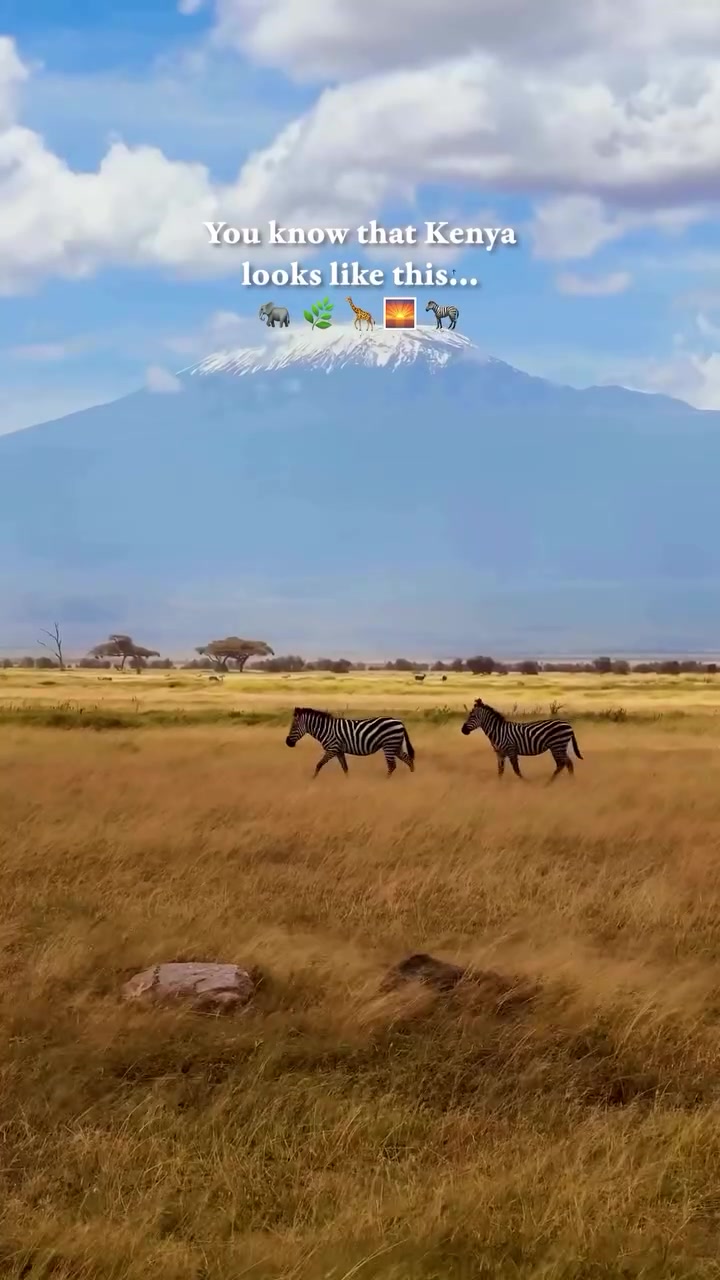
Kenya's landscapes are as iconic as they are diverse. The country is home to vast savannas teeming with wildlife, but also to pristine coastal beaches. Kenya doesn't just offer one type of beauty; it presents a tapestry of ecosystems.
Kenya's Dual Faces
Kenya is a country of two faces, each more striking than the last. On one side there's the expansive savanna, a sprawling ecosystem of grasslands, acacia trees, and open plains. This is the Kenya of safari lore, where elephants roam and giraffes stretch their long necks to reach the treetops. The savanna is not just a backdrop for wildlife but a dynamic landscape shaped by seasonal rains and the movement of herbivores. It's a place where the drama of predator and prey plays out daily. On the other side, Kenya transitions sharply to a coastal paradise. Here, palm trees sway in the breeze, and turquoise waters lap against white sand beaches. This is a Kenya of tropical delights, where vibrant flowers bloom, and the rhythm of life is dictated by the tides and the sun. The transition from savanna to coast is striking. It's a journey from the raw, untamed wilderness to the serenity of coastal living. Kenya's landscapes require no analogy — it is simply an astounding combination of wilderness and calm.
The New African Travel Narrative
Kenya's contrasting landscapes place it within a vibrant global narrative of African travel. The once-lionized safaris have given way to a more holistic approach, where travelers seek not just wildlife encounters, but immersive experiences in diverse ecosystems. Tourists are becoming more aware of nature and cultures that represent the fabric of Africa's heritage. The United Nations World Tourism Organisation reports growth in Africa's tourism industry. Kenya's dynamic landscapes are at the forefront of this boom. The country's ability to offer both savanna and coastal experiences widens its appeal. Nature enthusiasts can indulge in wildlife safaris, while beachgoers can enjoy water activities like snorkeling and diving.
The Savanna Homeland
The savanna is more than just a setting; it's a living, breathing ecosystem. The grasses, trees, and wildlife coexist in a delicate balance. The annual rains transform the landscape, turning it into a lush paradise. This is a land of extremes, where water is both a life giver and a potential danger. Herbivores graze on the nutrient-rich grasses, while carnivores stalk their prey amidst the acacia trees. The savanna is a theatre of survival. The annual migration of wildebeest and zebra is a spectacle unlike any other. These massive herds move in a relentless march, driven by the need to find better grazing and water. The migratory patterns alter the land, fertilizing the soil, and creating pathways that shape the savanna's topography. Often romanticized in film and literature, the savanna is also a critical zone. Climate change and human activities pose significant threats. The onslaught of poaching has decimated wildlife populations, threatening the delicate balance of the ecosystem. Conservation efforts, such as anti-poaching patrols and community-based conservation initiatives, are pivotal to preserving this landscape.
Tree of Life Off The Coast
Stretching across Kenya’s coastline, the Indian Ocean is a vibrant marine ecosystem laden with coral reefs, mangroves, and seagrass beds. The coastal region boasts a biodiversity that rivals even the savanna’s. Here, sea turtles nest on pristine shores, and dugongs graze on seagrass meadows. The coral reefs, teeming with fish, support both marine life and human communities. This unique ecosystem plays a critical role in protecting coastal regions from erosion and storm surges. The coastal region’s beauty offers a therapeutic escape. In contrast to the savanna’s raw wilderness, the coast provides a serene environment. Whether it's the gentle splash of waves on the beach, the rustling of palm fronds, or the burst of color from flowers, the experience is one of pure relaxation. The waters off Kenya's coast are perfect diving spots. Seasonally, humpback whales migrate through these waters, and whale watching has become a popular activity. The region’s marine life supports local fishing industries and provides sustenance.
The Sustainable Balance
Kenya’s landscapes are more than just tourist attractions — they are vital ecosystems. They support local communities, drive economic growth, and play a crucial role in the country’s ecological health. They also present challenges: balancing conservation and tourism, ensuring sustainable development, and protecting biodiversity. As Kenya continues to attract more visitors, it must tread carefully to avoid the pitfalls of over-development and exploitation.
Traveling to Kenya
Exploring Kenya's landscapes is not just about checking off bucket-list items; it is an immersive, transformative experience. Here are some of the best ways to do it:
- Safari Adventures: Engage with the savanna by embarking on a safari. Popular reserves include the Maasai Mara National Reserve, Amboseli National Park, and Tsavo National Park.
- Beach Escapes: Head to the coastal regions for a beach getaway. Diani Beach and Lamu Island offer pristine beaches and tropical delights. This is the ideal spot for those who need a respite from the city life.
- Marine Life Experiences: venture into the Indian Ocean to explore the underwater world. Diani, Watamu, and Malindi are popular spots for diving and snorkelling. Be sure to check local conditions and go with a reputable guide.
- Self-Guided Road Trips: Kenya’s roadways offer a unique way to explore the landscapes. Whether it’s the scenic route to the Great Rift Valley or the journey along the coastline, a road trip allows you to explore at your pace.
Kenya's Connected Climates
For the eco-conscious traveler, Kenya is a revelation. The juxtaposition of savanna and coast creates a unique and exhilarating experience, challenging the idea of what a single destination can offer. In Kenya, travelers discover landscapes that are diverse as well as thriving.
Questions readers ask
What makes Kenya's landscapes unique compared to other African countries?
Kenya's landscapes are unique due to the stark contrast between its vast savannas and pristine coastal beaches. While other African countries may offer savannas or beaches, Kenya's ability to present both within a single destination makes it stand out, allowing visitors to experience both raw wilderness and tropical serenity.
How do the savannas and beaches coexist in Kenya?
The savannas and beaches in Kenya coexist by offering distinct but complementary experiences. The savannas are characterized by expansive grasslands and acacia trees, teeming with wildlife, while the beaches feature palm trees, turquoise waters, and white sand. This duality allows Kenya to cater to a wide range of tourist interests, from wildlife enthusiasts to beach lovers.
What role do the savannas play in Kenya's ecosystem?
The savannas in Kenya are more than just a backdrop for wildlife; they are a living, breathing ecosystem where grasses, trees, and wildlife coexist in a delicate balance. The annual rains transform the landscape, and the movement of herbivores and carnivores shapes its dynamics, making it a critical zone for biodiversity and ecological health.
What is the significance of the wildebeest and zebra migration in the savannas?
The annual migration of wildebeest and zebra in Kenya's savannas is a spectacular event that not only attracts tourists but also plays a crucial role in the ecosystem. These massive herds fertilize the soil, create pathways, and shape the savanna's topography, highlighting the dynamic and interconnected nature of the landscape.
How is Kenya addressing the threats to its savanna ecosystems?
Kenya is addressing threats to its savanna ecosystems through various conservation efforts, including anti-poaching patrols and community-based conservation initiatives. These efforts are pivotal in preserving the delicate balance of the ecosystem and mitigating the impacts of climate change and human activities, such as poaching.
What kind of activities can tourists enjoy in Kenya's coastal regions?
Kenya's coastal regions offer a range of activities for tourists, including water sports like snorkeling and diving, as well as relaxation on pristine beaches. The vibrant marine life and tropical delights make it an ideal destination for those seeking a serene and enjoyable beach experience.
What is the broader impact of Kenya’s diverse landscapes on African tourism?
Kenya's diverse landscapes have positioned the country as a leader in the new narrative of African travel, where tourists seek immersive experiences in various ecosystems. This holistic approach, which includes both wildlife encounters and cultural experiences, has contributed to the growth of Africa's tourism industry, attracting a wider range of visitors to Kenya.
Related deep dives
Similar reads based on topic and creator.


Recent articles
Fresh deep dives from the latest Reels we unpacked.




Comments
Be the first to comment.