Water Carrying in Kenya
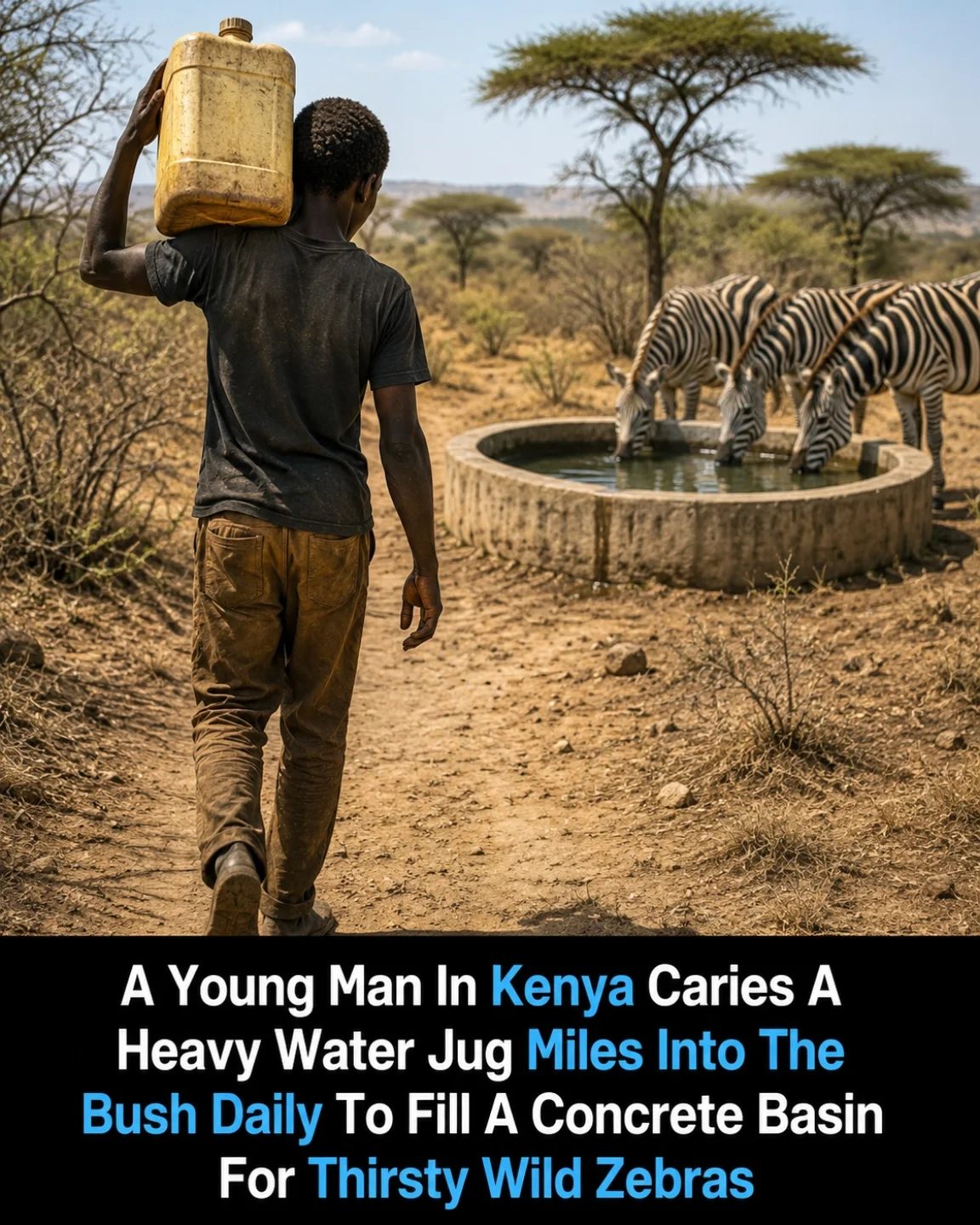
Water is a fundamental necessity for life, and in arid regions, access to it can be a daily struggle. In Kenya, this struggle is not limited to humans; wildlife also relies heavily on available water sources. The daily routine of a young man carrying a heavy water jug through a dry, grassy landscape to fill a concrete basin for thirsty zebras highlights the critical role of water in sustaining both human and wildlife populations in the region.
Why this matters
Water scarcity is a significant challenge in many parts of Kenya, particularly in arid and semi-arid lands. The country’s wildlife, including zebras, relies on these limited water sources for survival. The human effort to provide water for wildlife underscores the interconnectedness of human and animal ecosystems. This daily ritual of carrying water jugs over long distances is a testament to the resilience and commitment of local communities in ensuring the survival of wildlife.
Importance of water in Kenya
Water scarcity in arid environments
Kenya’s arid and semi-arid lands cover a significant portion of the country, and these regions are characterized by low rainfall and high evapotranspiration rates. This makes water a precious and often scarce resource. The availability of water can be seasonal, further exacerbating the challenge of ensuring a steady supply. Water scarcity affects not only human populations but also the wildlife that depend on natural water sources for survival.
The role of water in wildlife conservation
Water is essential for the survival of wildlife in Kenya. Animals like zebras, elephants, and giraffes rely on natural water sources for drinking and sometimes for bathing. However, due to climate change, human activities, and drought, many natural water sources have dried up. As a result, conservation efforts often include providing artificial water sources to support wildlife populations. This ensures that animals have access to water, especially during dry periods, which helps maintain biodiversity in the region.
The daily routine of water carrying
The daily routine of carrying a water jug through a dry, grassy landscape is a labor-intensive task. This person is traveling miles into the bush to fill a concrete basin for the zebras. This activity shows the dedication and hard work required to ensure that wildlife has access to water. The interaction between humans and wildlife in Kenya is a unique aspect of the country's ecosystem. The young man's efforts highlight the symbiotic relationship between humans and animals, where both rely on each other for survival.
Challenges faced during water carrying
Carrying a heavy water jug over long distances can be physically demanding. This task requires strength, endurance, and a willingness to endure the challenges posed by the harsh environment. The dry, grassy landscape can be unforgiving, with high temperatures and limited shade. Despite these challenges, the young man continues this daily routine, demonstrating the importance of water to both the human community and the wildlife.
Techniques and tools used
The water jug used in this routine is a crucial tool. It is designed to carry a significant amount of water over long distances. The jug’s design, typically made of durable materials, ensures it can withstand the rigors of daily use. Additionally, the concrete basin acts as a reliable water source for the zebras, providing a consistent supply of water.
Practical tips for water carrying
Choosing the right water jug
When selecting a water jug for carrying water over long distances, it is essential to consider durability, capacity, and ease of use. A sturdy, well-designed jug can make the task less physically demanding and more efficient. Look for jugs made from materials like polyethylene, which are lightweight and resistant to cracking and rusting.
Proper hydration and rest
Carrying a heavy water jug requires physical exertion, so it is crucial to stay hydrated and take adequate rest. Drinking water regularly during the journey helps maintain energy levels and prevents dehydration. Taking short breaks can also help reduce fatigue and ensure that the task is completed safely and efficiently.
Maintenance of water sources
Maintaining the concrete basin and ensuring it remains clean and functional is essential. Regular cleaning prevents the buildup of algae and bacteria, which can be harmful to the wildlife. Additionally, checking the basin for leaks and repairing any damage promptly ensures a consistent water supply.
Important takeaways
Water carrying in Kenya is a daily routine that highlights the challenges of water scarcity in arid environments. This practice demonstrates the resilience and dedication of local communities in ensuring the survival of both humans and wildlife. The interaction between humans and wildlife in Kenya is a unique aspect of the country's ecosystem, showcasing the interconnectedness of different species.
Conclusion
The daily routine of a young man carrying a heavy water jug through a dry, grassy landscape to fill a concrete basin for thirsty zebras is a poignant reminder of the importance of water in Kenya. This practice not only supports wildlife conservation efforts but also underscores the resilience and dedication of local communities. The symbiotic relationship between humans and animals in Kenya is a testament to the interconnectedness of ecosystems and the importance of preserving natural resources.
Questions readers ask
Why does this Kenyan man carry water to zebras daily?
The man carries water daily to ensure the survival of zebras in his area. The local climate is arid and water sources are scarce, making it difficult for wildlife to find water on their own. By providing water, he helps to sustain the zebra population and supports the local ecosystem.
What is the significance of the concrete basin in the process?
The concrete basin serves as a man-made water source for the zebras. It is filled daily by the man to provide a reliable supply of water, which is especially crucial during dry periods. This basin mimics natural water sources and supports the survival and well-being of the zebras.
How does this daily routine highlight the interconnectedness of humans and wildlife?
This routine underscores the interconnectedness by showing how human actions directly impact wildlife. The man's efforts ensure that zebras have access to water, which is vital for their survival. This interdependence highlights the mutual reliance between humans and wildlife in the face of water scarcity.
What challenges does water scarcity pose to wildlife in Kenya?
Water scarcity poses significant threats to wildlife in Kenya, particularly in arid and semi-arid regions. Wildlife, including zebras, struggle to find sufficient water to meet their daily needs, which can lead to dehydration and even death. Limited water sources also increase competition and conflict among species.
What role do local communities play in wildlife conservation in Kenya?
Local communities play a crucial role in wildlife conservation by providing essential resources like water. Their daily efforts to support wildlife, such as delivering water to zebras, help maintain healthy populations and ecosystems. This involvement is vital for the coexistence of humans and wildlife in the region.
What adaptations do zebras make to survive in water-scarce environments?
Zebras have evolved several adaptations to cope with water scarcity, such as efficient water metabolism and the ability to go for extended periods without drinking. However, these adaptations still require them to find water sources periodically, which is why human-provided water is so important in arid landscapes.
How does this routine reflect the broader issue of water scarcity in African ecosystems?
This routine is a microcosm of the larger challenge of water scarcity in African ecosystems. It illustrates the daily struggles that both humans and wildlife face in finding and accessing water. The routine also highlights the need for sustainable water management practices to support both human and wildlife populations.
Related deep dives
Similar reads based on topic and creator.
Recent articles
Fresh deep dives from the latest Reels we unpacked.



Comments
Be the first to comment.