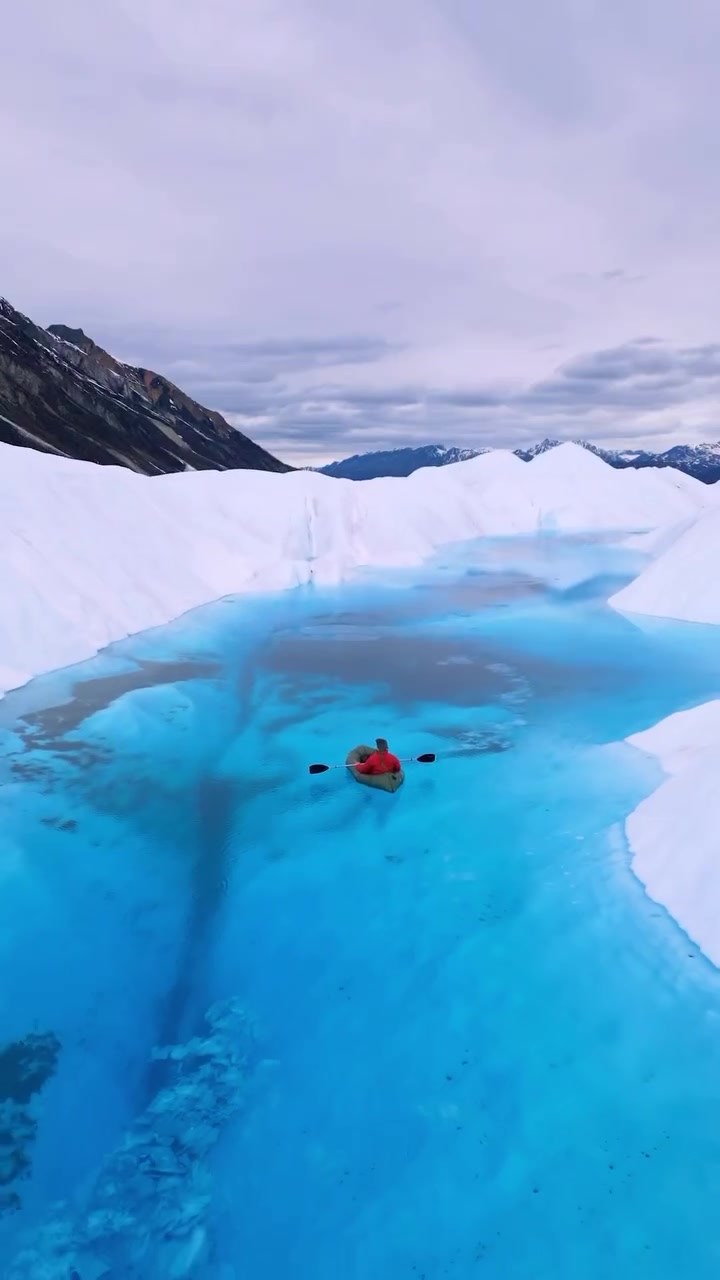
Glaciers are not merely frozen rivers of ice; they are dynamic ecosystems sculpted by time and gravity. Kayaking on a glacier lake, as seen in a recent aerial video, is an adventure that combines the thrill of paddling with nature's raw majesty. Kayaking on Alaska’s Matanuska Glacier offers the unique experience of traversing the deep fried blues — vibrant meltwater lakes — while surrounded by snow-capped mountains.
Journey on Ice
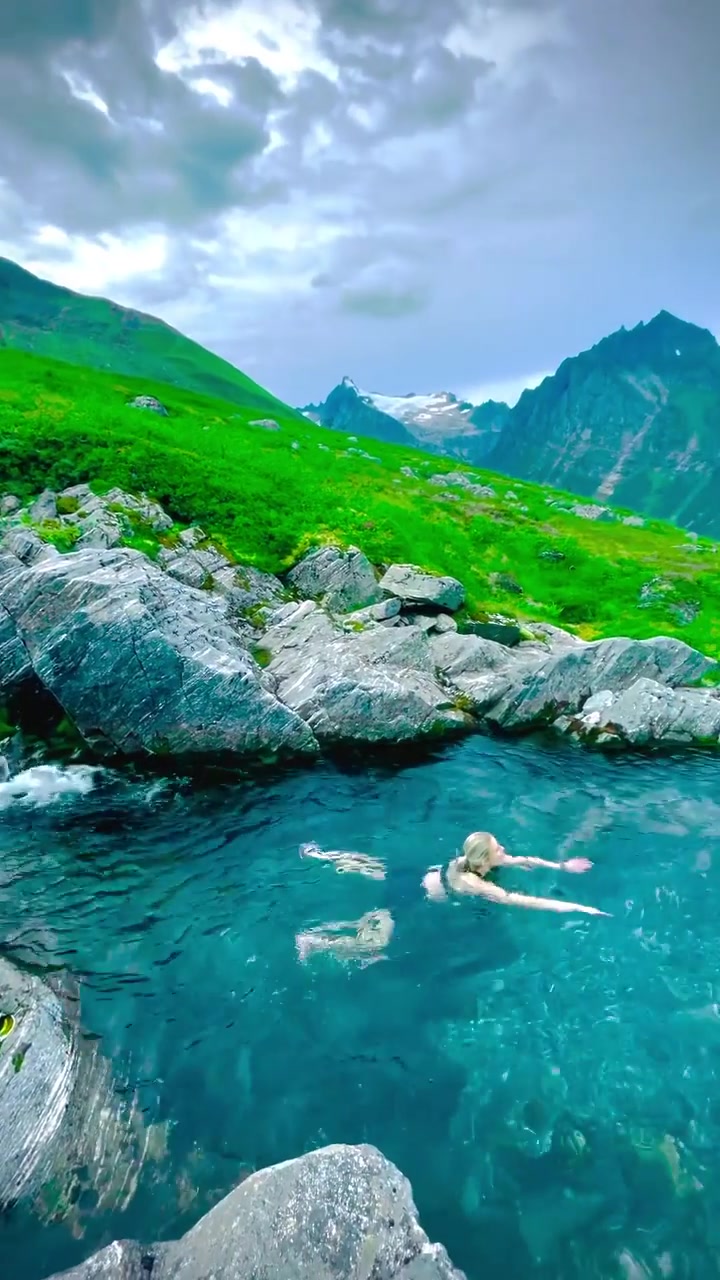
Kayaking on a glacier lake is a specialized form of paddling, and it is most distinctive for the water's almost electric blue hue. This color is the result of glacial meltwater. It appears this way because the glacial water is clear and absorbs all colors of the visible spectrum except blue. This color unique to glacial lakes is one of the first clues about the nature of those bodies of water. Kayaking on a glacier lake demands preparation and skill to navigate the frigid, often unstable terrain. Unlike traditional kayaking, where you might encounter open water and gentle waves, glacier kayaking involves calculating the buoyancy of the ice and the effects of meltwater. The ice formations add a layer of complexity: navigators need to plan their course around ice cracks, crevasses, and floating ice chunks. Natural hazards like unanticipated ice movements and sudden flooding from atmospheric warming mean that a paddler’s safety planning must anticipate the unexpected. The kayak itself is designed for the job. The boats used on glacial lakes are typically hard-shelled vessels specifically designed for stability and durability, which equip kayakers with the necessary safety and predictability in icy waters.
Oceans of Ice
Kayaking on a glacier lake is not merely a trip for adventure-seekers, but for travelers who want to engage with nature in a profound and lasting way. It is an experience of scale and a reminder of the effects of climate change on our environment. The color of the glacial meltwater and the intensity of the landscape are visual indicators of the glacial retreat that is occurring in the context of the climate crisis. The Matanuska glacier, one of Alaska’s largest, offers a unique experience. As the climate warms, glaciers worldwide are shrinking. Kayaking on Matanuska’s glacial lake presents an opportunity to experience the beauty and fragility of the glacier itself, while also encountering the physical transformation that glacial lakes endure. Unlike large glacier lakes that are permanent features of the landscape, Matanuska’s glacial lake is part of a process which could see the lake become part of a larger body of water or fade away as the glacier recedes. This is a rare and unique experience that is both awe-inspiring and sobering. However, kayaking on a glacier lake is not immune to risk. The ice can shift suddenly and unpredictably. Strong currents and submerged ice can create hazardous conditions. Temperature swings and the potential for unexpected ice melt can also pose risks. The dangerous but thrilling nature of this experience means that it is essential to have a safety plan that addresses the specific hazards of the glacial terrain. Paddlers must be especially attuned to warning signs and the safety protocols: Glaciers are unpredictable.
Training for a Glacier Paddle
While some might see glacier kayaking as a solo pursuit, it’s often safer to go in a group. Paddlers who go with a guided tour company have the benefits of trained guides, access to the best routes, and the reassurance of their experience. This can be particularly helpful in navigating the icy terrain. Guided tours of Alaska often include kayaks, safety gear, transportation to the glacier, and an introduction to the glacier ecosystem. Most importantly, it’s essential to get acclimatized—this has to do with learning the unique topography of the ice, and also allowing your body to adapt to the cold. Picking the right Kayak: Use a boat specially designed for glacial lakes. The kayak must be hard-shelled, durable, and weather-resistant. Kayaks used for glacier paddling are also typically shorter and wider for greater stability. Do not use inflatable boats, as these are not designed for ice water, and can easily pop.
Skills & Safety
Safety equipment: It’s important to wear a wetsuit or dry suit to protect from the icy water, gloves, thick socks with waterproof shoes, a helmet, and a life jacket. Paddling gloves and a whistle are also recommended. Safety equipment is your best friend in glacial waters. The glacier water is not friendly, so an extra life jacket is always a good idea, and you can never be underprepared.
Risks of glacier kayaking — Know your limits
Glaciers are beautiful, but it’s important to remember that they are dangerous. Do not attempt to kayak through areas that are densely packed with ice. Emphasize safety, particularly if you are new to this style of kayaking. When kayaking on Matanuska, avoid early-and late-season excursions, when weather conditions are the most unpredictable. Understand what you are paddling into.
Frozen Expedition
When planning a kayak trip, consider the glacier’s surface. While a glacial lake might appear smooth and inviting, a false sense of security can be dangerous. Once you encounter any icebergs, retreat from them immediately, and always have a floatation vest on hand. When kayaking on a glacier lake, the goal is to stay safe, and this means taking calculated risks. While these steps might sound extreme, they are the best ways to stay safe during your kayaking trip and ensure that your journey is an enjoyable, and memorable one. Always be prepared to end your trek when the conditions turn unfavorable. The fact that glaciers are temperamental features of nature means that you cannot plan too far ahead. You may have to be prepared to turn around. Glacier kayaking prepares us for a future where ice is less of a part of the scenery—and kayaking might have to find other waters.
Questions readers ask
What makes the water in Matanuska Glacier's lakes appear so vibrantly blue?
The vivid blue color of the meltwater lakes on Matanuska Glacier is due to the unique properties of glacial water. This water is exceptionally clear and absorbs all colors of the visible spectrum except blue, which is then reflected back, giving the water its striking hue. It's a visual indicator of the glacial meltwater's purity and clarity.
How does kayaking on a glacier lake differ from traditional kayaking?
Kayaking on a glacier lake is much more challenging than traditional kayaking. The terrain is frigid and unstable, with ice formations, cracks, and crevasses to navigate. Additionally, the unpredictable nature of the ice and the potential for sudden hazards like flooding or ice movements require a high level of preparation and skill.
What kind of kayaks are typically used for glacier lake kayaking?
For glacier lake kayaking, hard-shelled vessels are typically used. These kayaks are specifically designed for stability and durability, which are crucial for navigating the icy waters and unpredictable terrain. They provide the necessary safety and predictability for this specialized form of paddling.
Why is kayaking on Matanuska Glacier a unique experience?
Kayaking on Matanuska Glacier is unique because it offers a rare opportunity to witness the effects of climate change firsthand. The glacier is one of Alaska's largest and is actively receding, which means the glacial lakes and their vibrant blue waters are part of a dynamic and changing landscape. This experience is both breathtaking and a reminder of the environmental changes occurring worldwide.
What are the primary risks involved in kayaking on a glacier lake?
Kayaking on a glacier lake comes with significant risks, including the potential for sudden and unpredictable ice movements, strong currents, and submerged ice. Temperature swings and unexpected ice melt can also create hazardous conditions. Proper safety planning and preparation are essential to mitigate these risks and ensure a safe experience.
How do glaciers contribute to the landscape and ecosystem?
Glaciers are dynamic ecosystems shaped by time and gravity, and they play a crucial role in sculpting the landscape. They create unique features like glacial lakes and meltwater rivers, which support various forms of life. However, they are also sensitive indicators of climate change, with their retreat and advance reflecting broader environmental shifts.
Is kayaking on Matanuska Glacier suitable for beginners?
Kayaking on Matanuska Glacier is generally not suitable for beginners. The frigid, unstable terrain and the need to navigate around ice formations and crevasses require a high level of skill and preparation. Additionally, the unpredictable nature of the ice and the potential for sudden hazards mean that experienced paddlers with specialized training are better equipped to handle the challenges of this adventure.
Related deep dives
Similar reads based on topic and creator.
Recent articles
Fresh deep dives from the latest Reels we unpacked.

Comments
Be the first to comment.