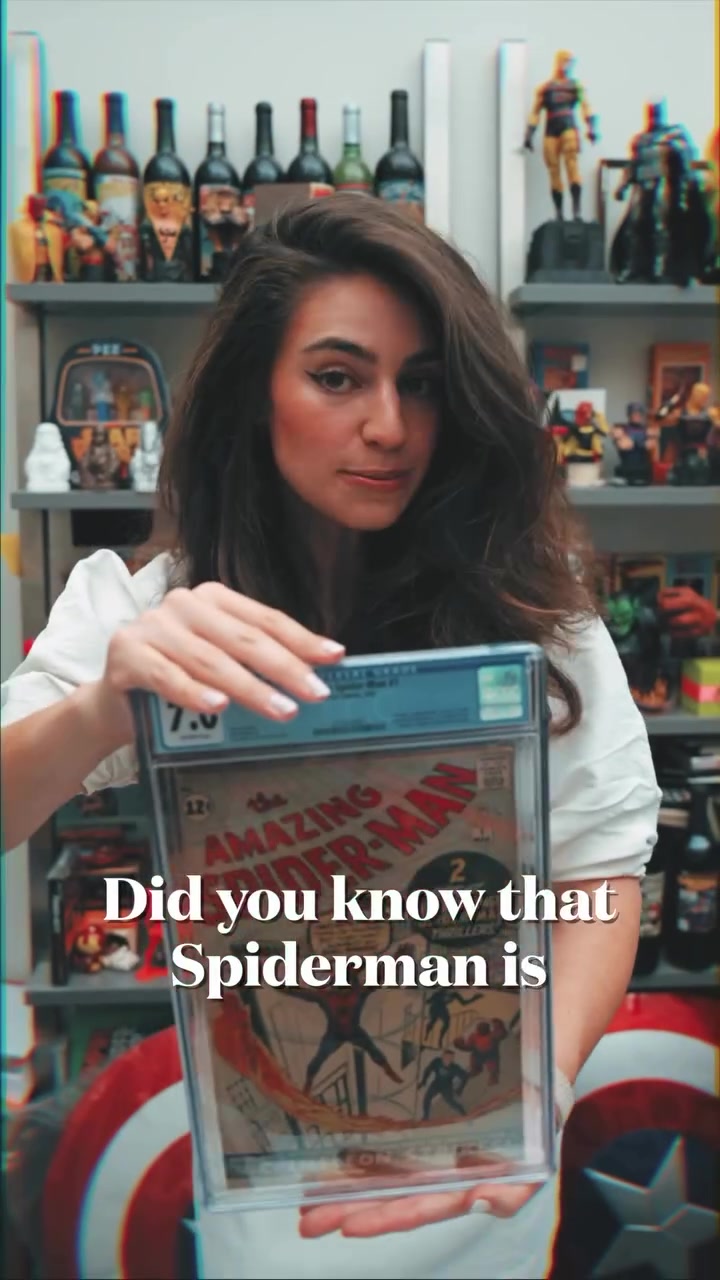
The Hidden Jewish Origins of Iconic Superheroes
Jewish creators built the foundation of the comic book industry, creating iconic superheroes like Spider-Man, Captain America, and the X-Men. During the 1930s, Jews faced restrictions in publishing and most creative industries; signs reading “No Jews need apply” were common. Rather than protesting, many Jews turned to comic books as an outlet for their creativity and storytelling.
Publishing’s Closed Doors Opened a Creative Floodgate
The lack of opportunities in publishing led to a boom in the comic book industry. Contributing to their success was a group of pioneers creating superheroes and comic books inspired by their Jewish heritage. Some even built stories rooted in Jewish folklore and mythology, if subtly. Captain America, for example, was created by Jack Kirby, who came from a family that worked in a factory and fought in World War II. Spider-Man was co-created by Stan Lee, who was a son of immigrants and created stories about mutant outsiders who have been targeted for being different. X-Men, another co-creation with Stan Lee and Jack Kirby mirrors the struggles of being an outsider and facing discrimination.
Championing Acceptance
A lot of Jewish creators didn’t feel the need to hide their identities in the past, and now a new movement welcomes Jewish superheroes and villains into the spotlight. While Hollywood used to bury the Jewish identities of their superheroes, today, Ben Birkowitz, and others are writing comic books featuring Jewish superheroes who are fighting offline threats from neo-Nazis.
Out in the Forefront
The X-Men alone have become a symbol in the comic book world for acceptance, fighting against ignorance and intolerance. The comic book series is about mutant humans being treated as different and inferior by the rest of society is now more relevant than ever. The power of the stories has a power of its own to fight back against the dark.
The Past and Present
Fans may not realize how much the landscape of superheroes has changed. X-Men, for example, has evolved. The story of the X-Men's mutant outsiders is a metaphor for the Jewish experience.
Creative Freedom: Jewish Superheroes Coming Into Their Own
Hollywood used to hide Jewish identities in the past, even going to lengths to conceal the Jewish heritage of its characters. Now there exists a new movement and a vibrant, clear trend towards showing the superhero's Jewish identities proudly.
Crafting Your Own Comic
Getting into comic books isn’t as hard as you think. With a story to tell, you can put your words to paper and create the next Spider-Man or X-Men.
The story of comic books and Jewish identities is as vast as it is rich. And new realities and new heroes are still being written today.
Questions readers ask
Were there any Jewish superheroes in the early days of comic books, or were they all created later?
The early days of comic books were more about the creators themselves being Jewish, rather than the characters. It wasn't until much later that we began to see Jewish superheroes themselves, like the ones currently being written by Ben Birkowitz. The heroes created by Jewish creators, however, were often inspired by their experiences and heritage, even if they weren't explicitly Jewish.
How did Jewish creators influence the comic book industry beyond creating iconic heroes?
Jewish creators didn't just make iconic heroes. They shaped the entire comic book industry, building it from the ground up. Because they faced discrimination in other sectors, they turned to comics as a creative outlet, helping to create a booming industry. They brought their unique perspectives and storytelling techniques, inspired by their heritage and experiences. This includes the X-Men, which has evolved into a worldwide symbol of acceptance and fighting against ignorance and intolerance.
Why were Jewish creators in comics so successful?
Jewish creators in comics were successful due to a combination of factors. They had a rich storytelling tradition to draw from, a deep well of personal experiences to inspire their work, and a strong community to support them. Additionally, the comic book industry was relatively new and less competitive, allowing them to experiment and innovate. Their success also came from their ability to create relatable and compelling stories that resonated with readers.
How have Jewish superheroes evolved over time?
Jewish superheroes have evolved significantly over time. In the past, their Jewish identities were often hidden or downplayed. However, there's now a clear trend towards embracing and celebrating these identities. This shift is seen in both new creations and reimaginings of classic heroes. The X-Men, for example, has become a powerful metaphor for the Jewish experience, reflecting the struggles of being an outsider and facing discrimination.
Is there a particular way to write about Jewish superheroes that respects their heritage and identity?
Writing about Jewish superheroes with respect and authenticity involves understanding and incorporating Jewish history, culture, and experiences into the storytelling. It's important to avoid stereotypes and cliches, and to ensure that the characters are well-rounded and relatable. Engaging with Jewish communities, consulting with Jewish experts, and being mindful of the nuances of Jewish identity can also help create meaningful and respectful representations.
Can I create my own Jewish superhero and what should I consider?
Creating your own Jewish superhero can be an exciting and meaningful endeavor. Consider drawing from Jewish history, folklore, and mythology for inspiration. Think about the unique experiences and perspectives of Jewish people, and how these can be integrated into your character's story. You may also want to consider the broader themes of acceptance, identity, and overcoming adversity, which are prevalent in many Jewish narratives. Finally, ensure that your representation is respectful and authentic, engaging with Jewish communities and experts as needed.
Related deep dives
Similar reads based on topic and creator.



Recent articles
Fresh deep dives from the latest Reels we unpacked.




Comments
Be the first to comment.