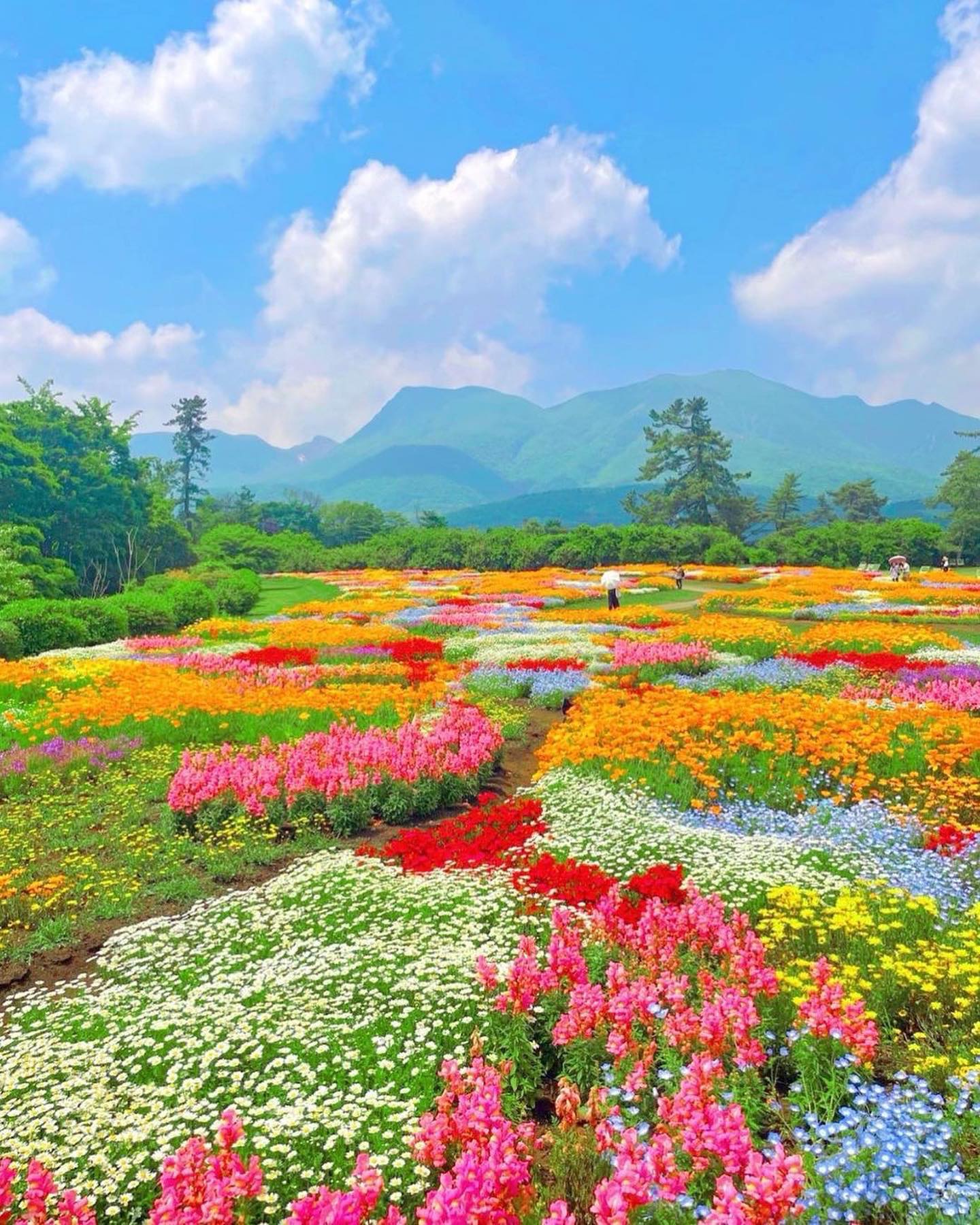
Spring in Japan is a magical time for nature, photography, and social media. The months of March to May transform the country into a paradise for flower lovers as Japanese gardens, parks, and fields burst into bloom. This is a trip through Japan's most vibrant spectacles of spring blossoms.
Hanami in Full Swing
The tradition of Hanami, which means "flower viewing" in Japanese, brings millions of visitors to Japan as the cherry blossom season peaks. Flower fields at every turn, the most vibrant signs of spring, turn Japan into one giant floral carpet. The sights are not tourist-only, locals and many of the country’s residents delight in this natural phenomenon. Japan's Sakura, or cherry blossom season, is the most iconic and celebrated hanami but there is also a plethora of floral spectacles across the country during these spring months. The varied terrain, from beaches to mountains, by the sea or in the countryside, offers a feast of color and textures. Shining stars of spring are not limited to cherry blossoms. The visual diversity of the flora stretches from the magnolias to azaleas, wisteria to hydrangeas, and the endless varieties of roses. The wide range of floral spectacles is certainly a crafty feat of nature. Additionally, Japan's flower viewing culture includes countless festivals. Fairs and food stalls pop up at parks and gardens where families and friends can picnic under the blossoms. Locals and tourists alike enjoy the sight of cherry blossoms, but also the accompanying festivities, food, and music. The trees pink, white, and vibrant shades of green draw millions of viewers. People walk through fields of dense foliage and vibrant colors; flower tunnels, majestic trees standing in the middle of seas of pink flowers, and a clear blue sky that all contribute to summers in Japan. The vibrant and picturesque landscapes are a blend of mountains and clear blue skies. The landscapes range from sprawling fields of yellow canola flowers to expansive vistas of pink flowers stretching towards distant horizons. There are thousands of rose bushes, red, pink, and yellow in color, forming a tunnel that invites viewers to imagine walking through.
The Allure of Japan's Spring Blooms
Japan’s spring blossoms tap into humanity's deep-seated appreciation for natural beauty and serenity. Unlike seasonal holidays with fixed dates, Hanami is decided by the weather, the exact dates change every year. This unpredictable blossom schedule boosts tourism. Travelers carefully plan their visits, adding spontaneity and excitement to their trips. The spectacle draws countless photographers as well. People are spellbound by the sight of roses in full bloom, a sea of pink flowers, creating a visually striking expanse of color. Many festivals are timed to coincide with these blooms, such as Matsumoto Azalea Garden, Hofu Tenmangu Shrine, and Kuju Flower Park. The visual display is distinctively Japanese with vibrant and picturesque landscapes, but the most notable aspect of the experience is the sense of tranquility it brings. Gardens and parks are filled with people enjoying the show, enhancing the serene atmosphere of the trails and fields. It is not just about the flowers, but the ephemeral nature of the blooms.
The Bloom Calender
Japan's spring blossoms are not one single event. They roll around the country from March in the south to May in the north. The exact dates and blooming periods are based on weather conditions, snowfall, and freeze-thaw cycles rather than a fixed date. Blossoms bloom from the hot equatorial plains of Okinawa to the snow-capped terrains of Hokkaido. Okinawa: In this subtropical region, late January to early February sees the first blossoms. Okinawa features tropical fruits and flowers, and sea of yellow rapeseed flowers. Kumamoto and Kumamoto: By mid-late February, the cherry blossoms start blooming here, and the most famous of its parks is hitachi seaside park. In mid-march, the wisteria buds start to bloom. Tokyo and Kyushu: Early to mid-April, cherry blossoms peak while azaleas bloom. The vibrant landcape of bright pink blossoms is a sight to behold. Hokkaido: The most northerly regions are the last to bloom, sometimes well into late May.
Gardens and Parks
The sheer range of natural and curated botanical displays in Japan is one of the country's prime attractions. Many of the botanical parks are open year-round, but the spring blooms. The panoramic fields and landscapes are a sight to behold. Flowers exist in a range of colors, from soft pinks to deep reds, vibrant yellows, and white roses.
The Japanese Rose: Yamabuki
Known in Japanese as yamabuki, the Japanese rose is used in a variety of flower formations throughout the country and adds to the varied flora. The flower's whimsical name captures its allure as "roaring" or a "spectacle." The tree is a favorite of local communities, which hold annual festivals to celebrate its blooming.
The Printmaking that Changed Japan
Ukiyo-e, a traditional Japanese woodblock printing technique, began in the 17th century, popularized during the Edo period. Often depicting scenes from everyday life and entertainment, it became an art form that captured the essence of the flowering seasons. The imagery inspired artists such as Monet and Van Gogh, and now username to24_photograph captures it for the modern digital crowd, creating vivid scenes with the use of smartphone cameras, rather than paintbrushes and ink.
Hanami Etiquette and Costs
Hanami is a quintessential spring activity, but it comes with etiquette and practical considerations to ensure enjoyment for all. Here is how to navigate.
- Picnics: Allow plenty of time to secure a spot, particularly under popular cherry trees; pack a picnic blanket and some snacks.
- Respect the trees: Do not write or carve on the trees or leave any litter or waste. If you're going out on a date, spring is a good time.
- Be prepared for crowds: Popular spots can get extremely crowded, especially during the peak blooming season. Arrive early or opt for less-crowded locations.
- Laser pointers are illegal in Japan: Do not bring any, in case you have one for your photo trip. Lastly, enjoy the moments. The flower blooms will disappear as momentaneously as they began, so take the time to relax.
Questions readers ask
What are the most popular flowers to see in Japan during spring besides cherry blossoms?
Japan's spring blooms offer a diverse range of flowers beyond cherry blossoms. Visitors can enjoy magnolias, azaleas, wisteria, hydrangeas, and a variety of roses. These flowers create a vibrant and picturesque landscape, adding to the natural beauty of the season.
What is the difference between Hanami and other spring festivals in Japan?
Hanami is specifically about enjoying the beauty of flowers, particularly cherry blossoms, and it’s a more general term for flower viewing. Other festivals like the Matsumoto Azalea Garden and Hofu Tenmangu Shrine are timed to coincide with specific blooms and offer unique cultural experiences, including food stalls and music.
Is it true that the cherry blossom season dates change every year, and why does this happen?
Yes, the cherry blossom season in Japan is determined by the weather, so the exact dates change each year. This unpredictability adds to the excitement and spontaneity of planning a trip to Japan during spring, as visitors have to carefully time their visits to catch the blooms at their peak.
Can you walk through the rose tunnels in Japan, and what is the experience like?
Yes, visitors can walk through the rose tunnels in Japan. The experience is incredibly picturesque, with thousands of rose bushes in various colors creating a tunnel effect. It's a visually striking and serene experience, often enhanced by the surrounding landscapes of mountains and clear blue skies.
Are the spring festivals in Japan more enjoyable for locals or tourists?
The spring festivals in Japan are enjoyable for both locals and tourists. Locals delight in the natural phenomenon and the accompanying festivities, food, and music. Tourists, on the other hand, are drawn to the vibrant landscapes and the unique cultural experiences that these festivals offer.
What kind of activities can you do during Hanami besides viewing the flowers?
During Hanami, visitors can enjoy a variety of activities beyond just viewing the flowers. Many parks and gardens host fairs and food stalls where families and friends can picnic under the blossoms. There is also music and other forms of entertainment that add to the festive atmosphere.
Related deep dives
Similar reads based on topic and creator.




Recent articles
Fresh deep dives from the latest Reels we unpacked.



Comments
Be the first to comment.