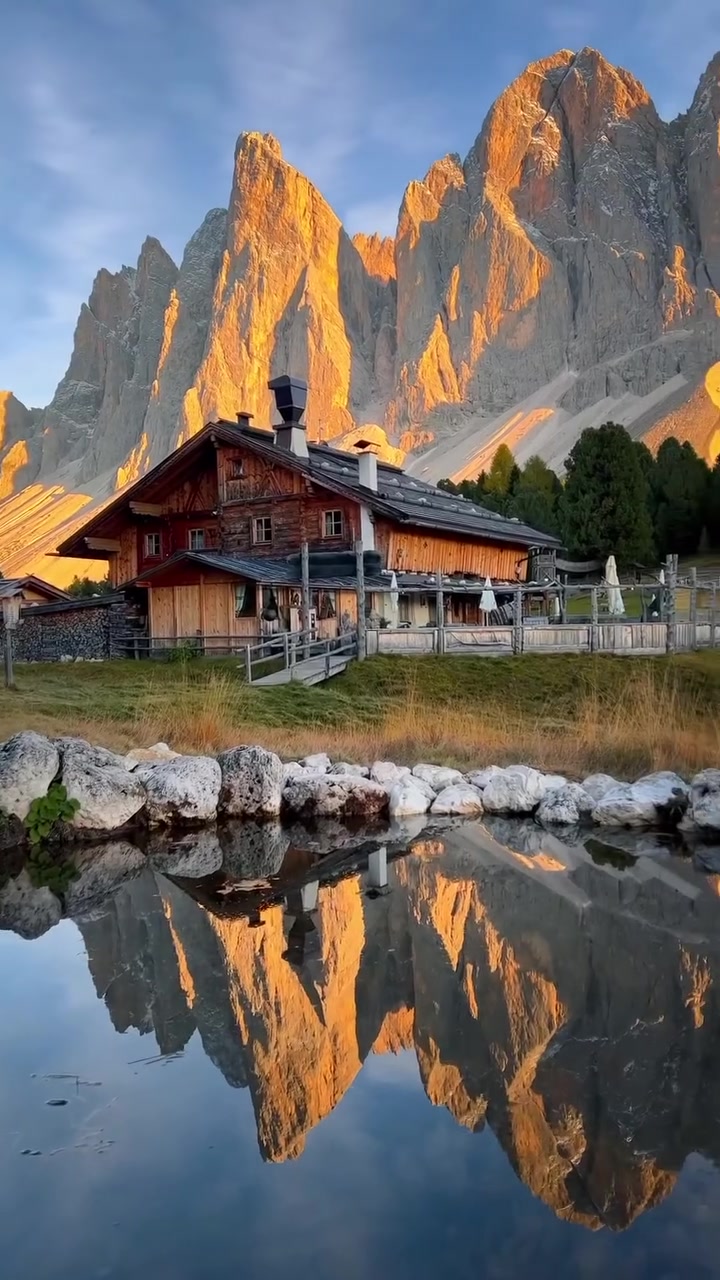
Tom Juenemann’s images capture the Italian Dolomites as they were millions of years ago — without any pastel filters or subjective glamour. The stunning mountain range, known for its distinctive color and jagged shapes, was once vibrant coral reefs submerged underwater. The Dolomites are a photographer’s dream landscape: the vivid hues of the peaks against the tranquil Geisel Alm lake, the chalet in the foreground, and the golden lighting all create a picturesque and serene scene. Photographers have long been drawn to the area, and images like Juenemann’s reveal why.
The Dolomites’ Distinctive Charm
The Dolomites are a part of the Southern Limestone Alps, a subrange of the Alps along the border between Italy and Austria, and are known for their distinctive color and jagged peaks. The region is a geological marvel, featuring steep mountains with steep slopes and distinctive jagged peaks known as pinnacles. Its scenery reminds viewers that the mountains are a reflection of the land. The region’s scenery encourages a feeling of serenity and connection with nature. While it’s easy to be struck by the Dolomites’ visual appeal, a deeper examination reveals a fascinating historical truth. These towering, jagged peaks were once vibrant coral reefs found under the ocean millions of years ago. The unique visual appeal of the Dolomites has long captivated photographers such as Juenemann. The mountains are a natural sight that can be visually stunning when captured through a camera lens, only accentuated by the vibrant green foliage and floral landscaping during certain times of the year.
Here, time travel is possible
Spanning across 187,000 acres, the Dolomites are a UNESCO World Heritage Site with more than 1,800 square miles of stunning scenery. The Dolomites have long been celebrated as an area of natural beauty and have become a popular destination for hikers, skiers, and mountaineers from all over the world. Despite the vast crowd of tourists who visit the area, the terrain and the picturesque landscape remain virtually untouched. The popularity of the area is a testament to the region’s unique and diverse natural beauty and the stunning mountains that are so unique and distinctive. The beauty of the Dolomites goes beyond its photogenic landscape, as the geological history makes it a fascinating look back into the Earth’s history.
The Geological History
The distinctive color and jagged shapes of the Dolomites hold a secret: they were once vibrant coral reefs submerged millions of years ago. Over time, these coral reefs transformed into the iconic peaks we see today. Stretching from the South Tyrol region of Italy to Belluno, Italy. Though the majority of the Dolomites lies in Italy, portions extend into Austria. The Dolomites are the remnants of ancient coral reefs that have been gradually pushed above the surface of the Earth. The unique qualities of the dolomite rocks in the region, which are made of calcium magnesium carbonate, are responsible for the vibrant reds, yellows, and purples that give the mountains their signature look.
The Charm of Geisel Alm
The image showcases a traditional wooden chalet sitting serenely in the foreground, reflected in a calm body of water. This location, Geisel Alm, is a popular spot for tourists and photographers alike. Geisel Alm is a famous spot for followers of beautifuldestinations@tom_juenemann to recreate and even shoot their own version. The tranquil setting and picturesque landscape make Geisel Alm a perfect spot for enjoying the beauty of the dolomites. The stunning beauty of this area[...]The small wooden chalet adds a touch of human presence to the vast natural landscape. The lake and its reflections on the mountains give a mirror image of each side, making it one of the most enchanting sights in the Dolomites. The chalet and lake form a natural mirror, enhancing the natural beauty of the landscape. Visually, the chalet adds an aesthetic to the landscape that complements the surrounding mountains and lake.
The Allure of a Serene Lake
The calm body of water, Geisel Alm, adds to the serene atmosphere of the scene. When the sun is low in the sky, the lake reflects the vibrant colors of the mountains, creating a mirror image of the surrounding landscape. This effect makes the scene even more captivating and picturesque. The warm lighting highlights the texture and details of the mountain peaks, enhancing the overall beauty of the landscape. Reflection of the mountains amplifies the depth and color, creating a mesmerizing visual experience. The water acts as a natural mirror, further enhancing the beauty of the landscape.
Capturing the dolomites
For anyone inspired to capture the beauty of the Dolomites, the first step is planning a trip to the region, focusing on the best times of day and popular spots. Here are some specific tips to help you recreate Tom Juenemann’s vision.
- Lighting: The best times to capture the stunning colors of the dolomites is at sunrise and sunset. This is when the warm lighting highlights the texture and details of the mountain peaks, which enhances the overall beauty of the landscape. The temperature and lighting conditions are both optimal at these times, making it a perfect opportunity for capturing the most mesmerizing images.
- Location: Visit Geisel Alm, a serene lake that reflects the mountains and surrounding landscape, perfect for creating picturesque mirror images. Geisel Alm has plenty of popular spots near the lake to get a perfect shot of the surrounding dolomites.
- Equipment: Juenemann uses professional-grade lenses and equipment, making sure to take the proper equipment with you to ensure high-quality photographs. Professional grade cameras and equipment can help in capturing the true essence of the dolomites. Camera settings such as aperture, ISO, and shutter speed are important to take into consideration for the best shots. Choose a camera that offers manual focus, has a high-resolution sensor, and has high ISO support. The appropriate lens will depend on how much of the scene you wish to capture, with a zoom lens offering versatility.
- Season: The vibrant colors of the Dolomites can be best appreciated in the spring, summer, and fall seasons, when the foliage is lush green and the floral landscape comes alive. The spring season, in particular, offers a serene and picturesque landscape with lush green foliage. This allows photographers to capture the natural beauty of the Dolomites at its peak. This makes these seasons the ideal time to visit the Dolomites for photography and hiking. When it comes to photography, the optimum time is around the peak spring season.
The Fiery Faces of the Dolomites
Over time, the geological marvels of coral reefs were uplifted by the tectonic forces to form the mountains of the Dolomites. The peculiar rock formations of the Dolomites, which are composed of dolomite, provide a natural thermal radiator. This allows them to reflect the sun’s rays, maintaining their fiery hues. The bright golden sunlight does not only highlight the texture and details of the mountain peaks but transforms the Dolomites into a fiery face of natural beauty. This is perhaps one of the reasons why Juenemann often chooses to capture the landscape in the evening, when the sunlight is at its peak.
Questions readers ask
How did the Dolomites' coral reefs transform into mountains over millions of years?
The transformation of the Dolomites from coral reefs to mountains is a result of tectonic activity. Over millions of years, the Earth's crust shifted, pushing the ancient coral reefs above sea level and forming the jagged peaks we see today. The unique dolomite rocks, composed of calcium magnesium carbonate, contribute to the vibrant colors of the mountains.
What makes the Dolomites a UNESCO World Heritage Site, and what does that mean for visitors?
The Dolomites were designated a UNESCO World Heritage Site due to their unique geological features and stunning landscapes. This designation helps preserve the area's natural beauty and ensures that visitors can experience its untouched terrain. It also means that the region is protected from excessive development, maintaining its serene and picturesque qualities.
Can I visit the Dolomites year-round, and what activities are available during different seasons?
The Dolomites can be visited year-round, but the best time to go depends on your interests. Summer offers hiking, mountaineering, and photography opportunities with lush greenery and vibrant flowers. Winter transforms the region into a ski paradise, attracting skiers and snowboarders from around the world.
Are there specific areas in the Dolomites that are particularly known for their geological history and natural beauty?
Yes, the Dolomites are vast, and different areas are known for unique features. The Geisel Alm lake, for example, is famous for its tranquil waters reflecting the vibrant peaks. The South Tyrol region and Belluno are also notable for their stunning landscapes and geological significance. Each area offers a different perspective on the region's rich history and natural beauty, making it a treasure trove for explorers.
What are some of the best ways to explore the Dolomites, and which activities are most popular among tourists?
The Dolomites offer a variety of activities for visitors. Hiking is a popular choice, with numerous trails that cater to different skill levels. Skiing and mountaineering are also beloved, especially during the winter months. Photography enthusiasts flock to the region to capture its stunning landscapes. The area’s accessibility and well-maintained trails make it a favorite destination for outdoor enthusiasts.
How do the Dolomites' geological features contribute to their distinctive appearance and coloration?
The Dolomites' distinctive appearance is due to the unique composition of dolomite rocks, which are made of calcium magnesium carbonate. This mineral composition gives the mountains their vibrant reds, yellows, and purples. The jagged peaks and steep slopes are a result of the geological processes that shaped the region over millions of years, creating a landscape that is both visually stunning and historically significant.
What makes the Dolomites a popular destination for photographers, and what techniques do they use to capture its beauty?
The Dolomites' unique geological features, vibrant colors, and jagged peaks make it a dream destination for photographers. They are drawn to the region's natural beauty and the serene landscapes, which are enhanced by the vibrant foliage and floral landscaping. Photographers use a variety of techniques, including capturing the golden lighting and the tranquil waters of lakes like Geisel Alm, to showcase the area's stunning scenery.
Related deep dives
Similar reads based on topic and creator.



Recent articles
Fresh deep dives from the latest Reels we unpacked.




Comments
Be the first to comment.