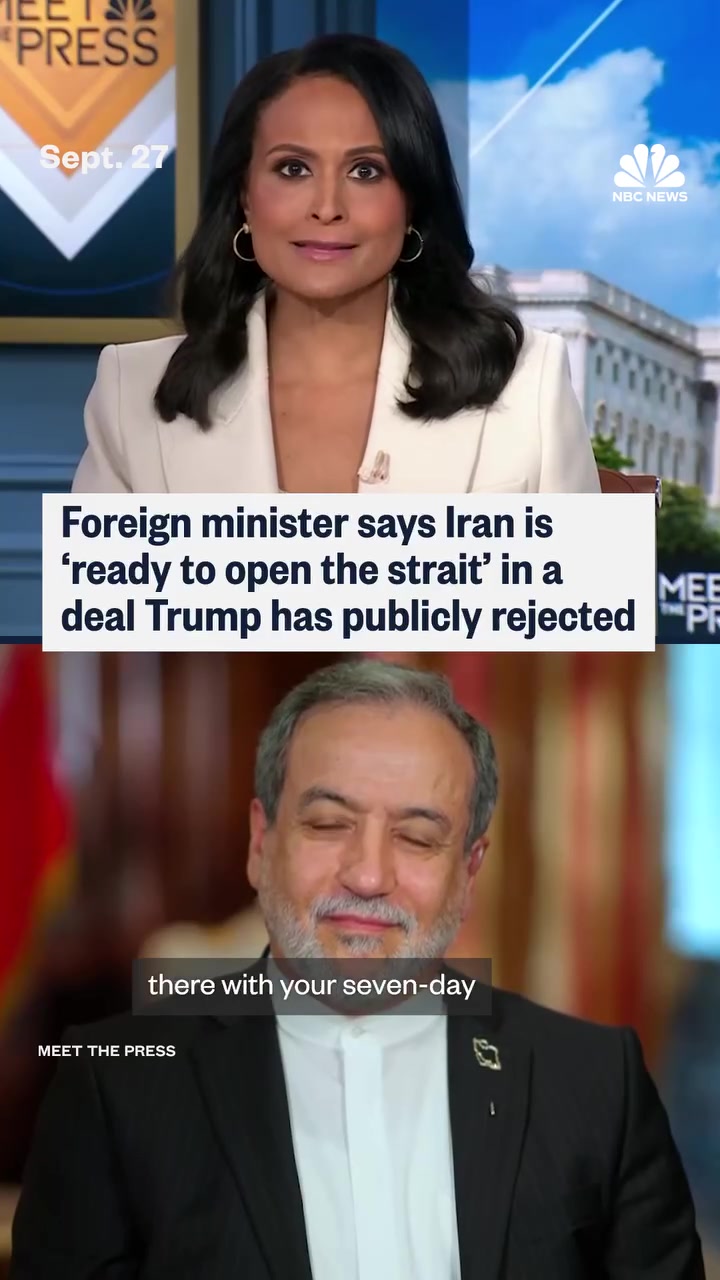
Trump's rejection elaborated
On September 27, 2023, during a "Meet the Press" segment, a foreign minister highlighted a crucial proposal involving the seven-day ceasefire, and challenged former U.S. President Trump's rejection. According to the spokesperson, Trump rejected a plan that could "bring the life back to normal in the Persian Gulf and in the Strait of Hormuz." This tension is just the latest in an intricate geopolitical dance between the United States and Iran.
Effectiveness of direct diplomacy
Diplomacy has its specialist actors. Typically these are the people granted public platforms to dispute. They are more advanced in their ability to make general opinions and create boundaries on debate. Diplomacy is better when all parties are present and vocal. This crystallizes the diplomatic process. Iran's recent initiative—a publicly proposed seven-day ceasefire—falls into the crisis resolution category of diplomacy. This approach allows Iran the platform to directly address U.S. interests, negotiate tensions, and clarify perceived misunderstandings. The foreign minister's statement comes off as credible because of his use of crisp and clear language. The minister's speech emphasizes transparency. He states, “Our proposal is very clear. We are ready to open —open the straight—if certain things are done by the U.S. And these certain things are not new, have not come from the space. These are our rights that we want to be respected.” The statement makes clear the deal's conditions, Iran's expectations, and its commitment to dialogue.
U.S. responses and Iran’s counter narratives
Iran’s seven-day ceasefire proposal shows that the country values direct communication and a straightforward approach. Yet, the U.S. continues to assert a different narrative through old attitudes and reasoning.
Trump's take on the deal
Former President Trump's rejection of the ceasefire echoes the broader U.S. diplomatic stance. Trump's position is that Iran’s proposal is born of "desperately going back to old... unproved accusations." Iran, however, sees this reaction as a tactic to avoid answering why the U.S. rejected the ceasefire plan. The Iranian representative reiterates that this rejection is central to the ongoing conflict in the Persian Gulf and the Strait of Hormuz. This isn't the first time the U.S. has reacted to Iran's proposals with skepticism and rejection.
Iraqs and Trump’s role
The U.S. has often played a decisive role in Middle Eastern geopolitics, some allies might counterclaim. For instance, the U.S.' refusal to engage in meaningful dialogue or negotiate terms based on mutual respect has been seen as a barrier to peace. This attempt at a ceasefire, though seemingly a minor diplomatic move in the grand scheme of Middle Eastern politics, shows the importance of direct engagement. The Iranians are keen to open negotiations that could have a massive impact on the region’s stability and the U.S.'s role.
Iran’s unilateral actions
In this context, Iran’s unilateral actions and public statements are a mix of assertion and a call for direct engagement. By proposing a clear, time-bound ceasefire, Iran is attempting to set the terms of the debate and force the U.S. into a more transparent stance. The proposal underscores Iran's readiness to engage in constructive dialogue and its desire for a negotiated settlement to tensions in the Persian Gulf.
Wrapping up the mess
This entire situation highlights the complexity of modern diplomatic efforts and the importance of direct, clear communication. Iran's recent proposal and the U.S. response showcase the ongoing tensions and the challenges in resolving long-standing conflicts. For countries like Iran and the U.S. to find common ground, there needs to be a mutual understanding of each other's positions and transparency in negotiations.
Questions readers ask
What exactly is the seven-day ceasefire proposal that Iran put forward?
The seven-day ceasefire proposal involves Iran offering to temporarily halt certain activities in the Strait of Hormuz, a critical waterway for global oil trade. The goal is to create a period of calm to facilitate negotiations and potentially de-escalate tensions between Iran and the U.S. The proposal was publicly highlighted by an Iranian foreign minister during a 'Meet the Press' segment.
Why did Trump reject Iran's ceasefire proposal, and what was his reasoning?
Trump rejected the ceasefire proposal, calling it a desperate attempt to revive old, unproven accusations. He saw it as a tactic to shift the narrative and avoid addressing the core issues that have led to the ongoing conflict in the region. This rejection aligns with the broader U.S. diplomatic stance, which has often been skeptical of Iran's initiatives.
How does Iran's recent proposal fit into the broader diplomatic landscape?
Iran's proposal for a seven-day ceasefire is part of a shift towards direct diplomacy, aiming to address U.S. interests directly and clarify misunderstandings. This approach allows Iran to negotiate tensions and push for mutual respect in negotiations. The proposal is seen as a credible move due to its clear conditions and Iran's commitment to dialogue.
What role has the U.S. played in Middle Eastern geopolitics, and how does it relate to Iran's ceasefire proposal?
The U.S. has historically played a decisive role in Middle Eastern geopolitics, often influencing regional dynamics. In the context of Iran's ceasefire proposal, the U.S.'s refusal to engage in meaningful dialogue has been seen as a barrier to peace. The proposal highlights the importance of direct engagement and the potential impact on regional stability.
What are the conditions that Iran has set for the ceasefire, and how do they align with their broader goals?
Iran's conditions for the ceasefire involve the U.S. respecting certain rights and taking specific actions. These conditions are not new and are seen as crucial for Iran to engage in the ceasefire. The proposal aligns with Iran's broader goal of direct engagement and negotiation, aiming to address perceived misunderstandings and de-escalate tensions.
How has the U.S. responded to Iran's proposal, and what does this reveal about their diplomatic approach?
The U.S. has responded with skepticism and rejection, viewing the proposal as a tactic to avoid addressing core issues. This response reflects the broader U.S. diplomatic stance, which often involves asserting different narratives and old attitudes. This approach has been seen as a barrier to peace and meaningful dialogue.
What impact might Iran's unilateral actions and public statements have on regional stability and U.S. foreign policy?
Iran's unilateral actions and public statements, such as the ceasefire proposal, are a mix of assertion and a call for direct engagement. By proposing a clear, time-bound ceasefire, Iran is attempting to open negotiations that could have a significant impact on regional stability. The U.S. must consider the potential consequences of rejecting such proposals, as they could influence regional dynamics and perceptions of U.S. foreign policy.
Related deep dives
Similar reads based on topic and creator.

Recent articles
Fresh deep dives from the latest Reels we unpacked.



Comments
Be the first to comment.