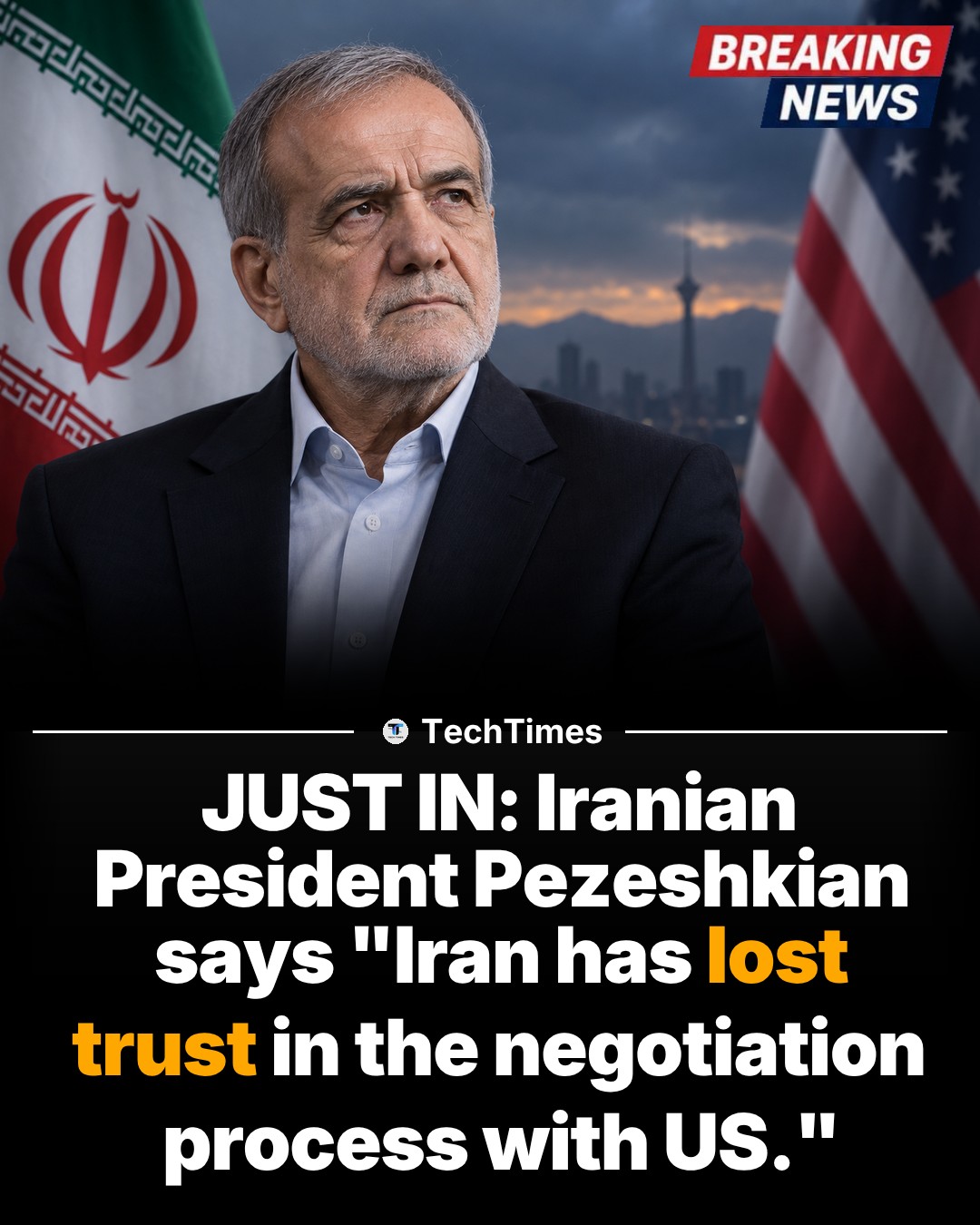
Easing Iranian Tensions: When Trust Dries Up uncertainty is the only certainty flashing across headlines. Iranian President Ebrahim Pezeshkian’s recent remarks signal a critical juncture in the ongoing negotiations with the United States. Pezeshkian’s statement, “Iran has lost trust in the negotiation process with the US,” underscores deep-rooted tensions, which have been ongoing for years.
Negotiating with an Unseen Progression
Negotiation is art of trying to discover a path to peace when no direct solution exists. Each step forward is a result of decades of tensions that were historically crippling. Tensions between Iran and the U.S. has been palpable, punctuated by events like the Islamic Revolution 1979, the U.S. embassy hostage crisis, and more recent disagreements over nuclear programs and regional influence. Between the two, Iran is technically the weaker power, but it is far from being the weaker nation. Despite this, past attempts at diplomatic engagement, such as the Joint Comprehensive Plan of Action (JCPOA) in 2015, have been marked by both progress and setbacks. The JCPOA, for instance, aimed to limit Iran's nuclear activities in exchange for lifting economic sanctions. However, the U.S. withdrawal from the deal in 2018 strained relations further. The JCPOA is a delicate balancing act of political realities. As the Iranian president told, what they want to see is tangible outcomes from these negotiations, not just promises. The current negotiation process is fraught with mistrust. Both sides have their own understanding of what constitutes trust, and these understandings are often misaligned. For the U.S., trust might mean transparency in Iran's nuclear activities, while for Iran, it could mean a genuine commitment to lifting sanctions and not withholding support from their enemies in the Middle East. That is a tall order.
The Grimes of Mistrust
The recent statement from Pezeshkian underscores the deep-seated mistrust that has plagued U.S.-Iran relations. For Iran, a history of broken promises and imposed sanctions has eroded faith in the negotiation process. The U.S., on the other hand, faces domestic pressures and policy shifts that can impact its international commitments. Trust is the product of not just two governments, but two histories, two cultures, two worldviews. It is a relationship bound by a long history, and a troubled present that only takes away the rest of the oxygen.
Unpacking Pezeshkian's Remarks
Ebrahim Pezeshkian’s words are a stark reminder of the fragile state of U.S.-Iran relations. The statement highlights Iran’s frustration, which wasn’t just a policy of escalation and suffering from a toxic world of distrust. Furthermore, the backdrop of the Iranian and American flags in the news graphic emphasizes the bilateral nature of the issue—though not just two nations, it is two histories, two cultures.
A Symphony of Sanctions
Sanctions have been a contentious issue between the two nations. For Iran, economic sanctions imposed by American economic architects have severely impacted the country’s economy and the livelihood of its people. These sanctions target Iran’s oil and gas industries, financial institutions, and even individual officials. For the U.S., sanctions are a tool to pressure Iran into complying with international demands regarding its nuclear program and regional policies. If Iran can reframe their nuclear program to make it more transparent, discuss long-term stability, and allow for inspections, they could identify pathways to ease sanctions. Conversely, if the U.S. can make clear commitments towards easing sanctions and providing mechanisms for economic alleviation, then the trust can start building.
The U.S.-Iran Chess Game
Significant information is known about the U.S.-Iran dynamic through an extensive history of news reports, interviews, and research studies. However, the current state of U.S.-Iran relations is also shaped by broader geopolitical dynamics, including the influence of other regional powers and global shifts in political alliances. The dynamic between Iran and the US is a chessboard with multiple players, each with their own agendas. The Middle East is a chessboard for the US to protect its interests. For Iran, this is not just about economic relief; it is about their sovereignty and right to be in the global community.
A Path Forward
In the current climate, finding a path forward requires addressing the root causes of mistrust. This involves not just diplomatic gestures but also tangible actions that build confidence on both sides.
Navigating the Nuances
The interests of Iran and the U.S. are not wholly divergent. Iran seeks economic development and regional stability, while the U.S. aims to prevent nuclear proliferation and maintain regional security. By focusing on these shared goals, both nations can find common ground.
Unveiling Iran's Narrative
Iran’s perspective often goes unheard in Western media. The narrative often portrays Iran as a destabilizing force, neglecting its historical grievances and legitimate security concerns. For Iran, addressing these concerns and ensuring its narrative is heard is crucial in building trust. For the U.S., recognizing Iran’s right to peaceful nuclear development and providing assurances that sanctions will be eased as part of any deal is a first step towards building confidence. These tangible steps can pave the way for a more constructive dialogue.
Easing Iranian Tensions: Easy, but challengeable
The path forward is not easy, but it is achievable. Recognizing the historical context, acknowledging each other’s concerns, and taking tangible steps towards building confidence can help ease tensions and foster a more stable relationship. The loss of trust is a significant challenge, demonstrating that diplomacy requires not just dialogue but continued commitment and mutual respect. This could mean transforming the dialogue from being reactive to proactive, from being a dialogue of conflict, to a dialogue of cooperation.
Questions readers ask
What exactly does President Pezeshkian mean when he says Iran has 'lost trust' in U.S. negotiations?
Pezeshkian's statement reflects Iran's frustration with the U.S. broken promises and the lack of tangible progress in negotiations. Specifically, Iran wants to see concrete actions from the U.S. such as lifting sanctions, instead of just diplomatic promises. This sentiment is rooted in a long history of mistrust, including past U.S. withdrawals from agreements like the JCPOA.
How have historical events like the 1979 Islamic Revolution and the U.S. embassy hostage crisis impacted current negotiations?
These events have significantly shaped the current atmosphere of mistrust. The 1979 Islamic Revolution and the subsequent hostage crisis created deep-seated animosity and mistrust between the two nations. These historical tensions have made it challenging to build trust and foster productive negotiations, as each side views the other with caution and skepticism.
What is the Joint Comprehensive Plan of Action (JCPOA), and why is it important in the context of U.S.-Iran relations?
The JCPOA, signed in 2015, was an agreement aimed at limiting Iran's nuclear activities in exchange for the lifting of economic sanctions. It was a significant step towards easing tensions, but the U.S. withdrawal from the deal in 2018 strained relations further. Iran sees the JCPOA as a benchmark for what could be achieved through negotiations, and its collapse has only deepened mistrust.
How do the U.S. and Iran define 'trust' differently in these negotiations?
For the U.S., trust might mean transparency in Iran's nuclear activities and assurances that Iran is not pursuing nuclear weapons. For Iran, trust means a genuine commitment from the U.S. to lift sanctions and not support regional adversaries. These differing perspectives make it difficult to align expectations and build a foundation of trust.
What role do economic sanctions play in the current state of U.S.-Iran relations?
Sanctions have been a major point of contention. They have severely impacted Iran's economy and the livelihood of its people, particularly in the oil and gas industries. Iran views these sanctions as a tool of economic warfare, further eroding trust in the negotiation process. The U.S. sees sanctions as a way to pressure Iran into compliance with nuclear agreements.
What are the potential next steps if Iran has lost trust in the U.S. negotiations?
With trust eroded, the next steps are uncertain. Iran might seek alternative diplomatic channels or alliances to address its economic and security concerns. The U.S. may need to reassess its approach, potentially offering more tangible concessions or assurances to rebuild trust. However, the path forward will likely involve overcoming significant hurdles, given the deep-rooted mistrust on both sides.
Recent articles
Fresh deep dives from the latest Reels we unpacked.




Comments
Be the first to comment.