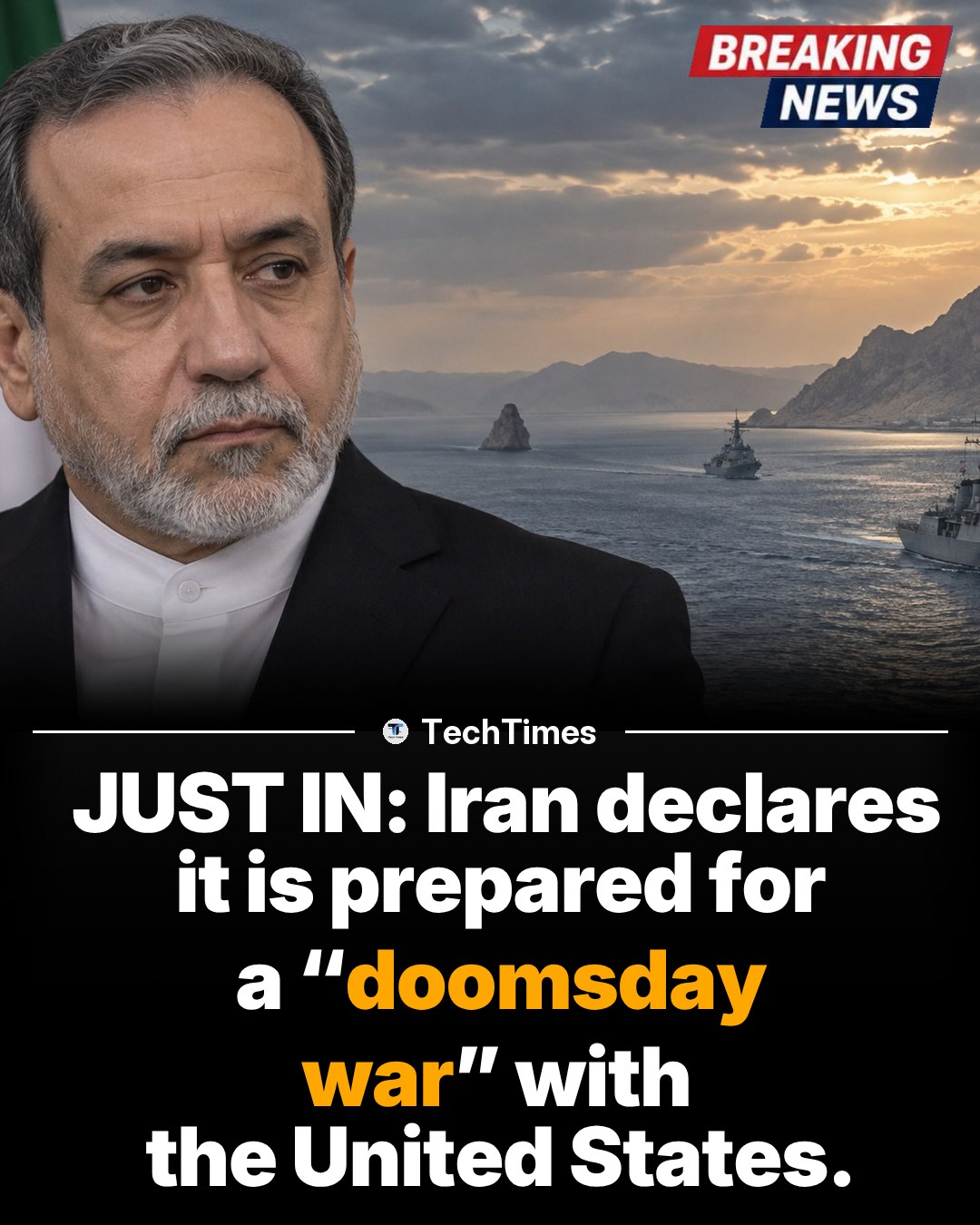
Iran has declared it is prepared for a “doomsday war” with the United States, reports TechTimes. The statement marks a drastic escalation in tensions between the two countries. No details were shared on the specific factors driving the heightened rhetoric.
The Eerie Soubriquet of Nuclear War
Iran’s declaration of readiness for a “doomsday war” is not a call to arms for an immediate military engagement. It suggests Iran must have war plans and operational readiness to engage the nuclear power. Instead, it is a declaration of readiness against catastrophic nuclear conflict. The "doomsday" qualifier also hints that Iran is willing to brave the threat of nuclear war, however, it does not necessarily mean that Iran is the first to escalate tensions, but rather that it is prepared to retaliate if necessary. The statement signals resolve in the face of potential military action. A “doomsday war” is a world ending, all out nuclear conflict. Iran’s message is: We are ready to use whatever resources are at our disposal, even if this ends up as nuclear war. Iran is one of several countries that have long been at odds with the United States due to political, economic, and military differences. The escalating tensions have centered around Iran’s nuclear program and the United States’ response.
How Iran’s politics could reshape the Middle East
This declaration underscores the broader geopolitical dynamics at play in the Middle East. Iran’s preparedness for a doomsday war shifts the balance of power within the region. Iran’s military capabilities and readiness must be re-evaluated as well as the United States’ willingness to escalate tensions. The declaration by Iran also suggests a level of confidence in their defensive capabilities, which could alter the strategies of allies and adversaries alike. How other nations position themselves in response to these developments will largely shape the future state of Middle Eastern politics. The adoption of the rhetoric potentially signals a new phase in the country’s strategic posture. Iran’s declared readiness suggests that global diplomacy must carefully navigate these newly defined positions. This comes amid broader geopolitical tensions. The threat of nuclear war could force other countries to re-evaluate their alliances and defense strategies.
Posturing and Preemption
At the heart of Iran’s declaration is a complex interplay of posturing and preemption. It is not just a matter of trying to deter aggression. Rather, it is a nuanced move to reassure Iran’s allies and civilian population about the country’s ability to protect its interests. Iran is a country that has historically faced security threats, and its leaders have been vocal about the need to be well-prepared for any eventuality. The statement serves as a clear message to its adversaries. “By our readiness to prepare and engage in war on the highest stakes, you too must be ready for a similar commitment.” The statement is also a geopolitical message to Iran’s allies and partners. This reads as both reassurance and a call to solidarity. The Iranian government wants to reassure its allies that it is ready to defend its interests and stand firm against external threats. This declaration could also be seen as a call for solidarity with other countries in the region. It makes clear Iran’s readiness to defend its neighbors and partners against any aggression.
The War Roots: The Nuclear Program
A deeper dive into Iran’s nuclear program reveals the roots of the current tensions. Iran has long been at the center of international debates over nuclear development. The country’s nuclear pursuits have met with skepticism and opposition from the international community. While US claims it supports the development of nuclear energy for peaceful purposes, most countries are skeptical of Iran’s intentions. These suspicions have been fueled by Iran’s unwillingness to fully disclose its nuclear capabilities and compliance with international regulations. The declaration of Iran’s readiness for a doomsday war adds another layer of complexity to this issue. The techniques, technologies, and possible proliferation are a mystery. It may attract additional scrutiny and scrutiny.
The Sea Waters
The graphic features a backdrop of the sea, with ships visible. While the sea is often a symbol of trade, aquatic power, and a strategic advantage. It may also signify a deeper layer of strategic positioning, reflecting naval power, strategic maritime routes, and potential military engagements. Iran’s maritime capabilities work as a deterrent, as the sea provides a strategic advantage. The sea also provides a line of defense, with the Persian Gulf being a key waterway for international trade. Iran's military posture in the Persian Gulf adds another layer of complexity to the geopolitical landscape.
Rethinking Defense Strategies
Those looking to appreciate this stance should consider how it affects their own position. If you are an ally, consider the possibility that a conflict could be imminent and think about aiding Iran in one way or another. If you are an adversary, reconsider your stance and strategies. Iran has shown its ability to withstand pressure and is ready to engage in a catastrophic conflict. This declaration reshapes the geopolitical landscape and forces other nations to reevaluate their defense strategies. Alliances and partnerships may need to be reconsidered in light of Iran’s preparedness. As tensions continue to rise, it is crucial for countries to assess their own security measures and preparedness for potential conflicts.
Iran’s citizens & War
For Iran’s citizens, the declaration is a mix of reassurance and uncertainty. It reassures them that the government is taking their security seriously. However, it also comes with the daunting prospect of a potential nuclear war. Understanding this dual nature requires empathy and context. This declaration was a strategic move, with war readiness not being an isolated operation. It implies a heightened state of alertness and preparedness across the country. Iranians would need to think about their own roles in this heightened state of readiness, from supporting military efforts to staying vigilant in their daily lives.
Visions Of Geopolitical Conflict
The preparedness of Iran in response to geopolitical strains could have inland effects. It could add fuel to the fire of some inevitable conflict. It could also make Iran a rallying point for those who feel marginalized or threatened by other powers. These are all possibilities. Iran’s declaration is more than a public statement. It is a strategic geopolitical move that could change the landscape of international diplomacy. This is not just a threat to the United States, but to the entire world.
Questions readers ask
What exactly is a 'doomsday war' in this context?
In this context, a 'doomsday war' refers to an all-out, catastrophic nuclear conflict. Iran's declaration means they are prepared for the worst-case scenario, where nuclear weapons are used, and the consequences are devastating. It's not about immediate action, but about being ready to retaliate if necessary.
Does Iran's declaration mean they are planning to start a nuclear war?
No, Iran's declaration is not a call to arms for an immediate military engagement. It's more about signaling their readiness and resolve in the face of potential military action. Iran is saying they are prepared to retaliate if necessary, but they are not the ones escalating tensions.
How does Iran's preparedness for a doomsday war impact the Middle East?
Iran's declaration shifts the balance of power in the Middle East. It forces other nations to re-evaluate their alliances and defense strategies. It also signals a new phase in Iran's strategic posture, which could alter the region's geopolitical dynamics and force countries to reassess their relationships.
What is the main message Iran is sending to the United States with this declaration?
Iran is sending a clear message to the US. 'We are ready to use whatever resources are at our disposal, even if this ends up as nuclear war. This means they are prepared to retaliate if necessary, and they want the US to be ready for a similar commitment. This isn't just about deterring aggression, but also about reassuring allies and partners.
How does Iran's declaration affect global diplomacy?
Iran's declaration adds a layer of complexity to global diplomacy. It forces other countries to carefully navigate these newly defined positions. The threat of nuclear war could force other countries to re-evaluate their alliances and defense strategies. It also signals that Iran is confident in its defensive capabilities.
What does Iran's declaration mean for the future of Middle Eastern politics?
Iran's declaration suggests a level of confidence in their defensive capabilities, which could alter the strategies of allies and adversaries alike. How other nations position themselves in response to these developments will largely shape the future state of Middle Eastern politics.
How does Iran's declaration impact its allies and adversaries?
Iran's allies are likely reassured by this declaration, as it shows Iran's commitment to defending its interests. Adversaries, on the other hand, may feel threatened and be forced to re-evaluate their strategies. The declaration serves as a clear message to both groups: Iran is ready to protect its interests and stand firm.
Recent articles
Fresh deep dives from the latest Reels we unpacked.




Comments
Be the first to comment.