
An Arctic diet devoid of plants baffled scientists for centuries. The Inuit managed to thrive without a single vitamin or mineral from plants, using only animals from ice-covered hunting grounds. They suffered no vitamin C deficiency — no scurvy. The secret? Organs.
The Arctic Meal Plan
The Inuit diet centers around the meat, organs, and fatty tissues of land and marine mammals like caribou, seal, and whale. They consume meat, bone marrow, and organs such as liver, kidney, heart, and skin — particularly muktuk, the whale's skin with a layer of blubber. This diet replaces what most consider essential pillars of nutrition. Organ meats, especially raw or dried, supply plentiful vitamin C. Raw caribou liver has as much vitamin C, gram-for-gram, as orange juice. This practice explains the Inuit's immunity to scurvy. All their vitamins come from animals hunted in Arctic waters and tundra. The animal-fat-rich diet meets nutritional needs, despite no flora. The lack of plants does not hinder vitamin consumption. The diet includes organ-tissue vitamins and minerals, as well as proteins and fats. This focus on animal organs offers a novel method of nutrition. Their diet emphasizes resourcefulness, using all live parts of their prey. They respect nothing food must be wasted. At the core of this diet is the whale. Whale meat, organ meat and skin provide essential nutrients and vitamin C. The Inuit consume the skin with blubber, heart, liver, and intestines. Nothing is thrown out. This diet rich in organ meat offers a unique form of nutrition. Their diet is based on the meat, organs, and fatty tissues of animals. They eat meat and organs of whales, seals, and other marine animals.
Eating the Arctic Way: the Modern Ties
The concept of "eating nose to tail" — using all parts of an animal — is one of the hottest nutrition trends. The Inuit practice this, thickening Arctic bloodlines. Ancestral diets are gaining popularity in the U.S. and Canada. This dietary approach is gaining adherents in North America, as ancestral health and nose-to-tail eating are on the rise. Ancestral health experts recommend returning to traditional diets. This aligns well with the Inuit diet, which has been followed for thousands of years. Changing to the Inuit diet can balance modern habits by utilizing animal organs. The Inuit may be proof of the benefits of an ancestral diet, rich in organs and fats, heavy in nutrients and vitamins.
Inside the traditional Arctic food
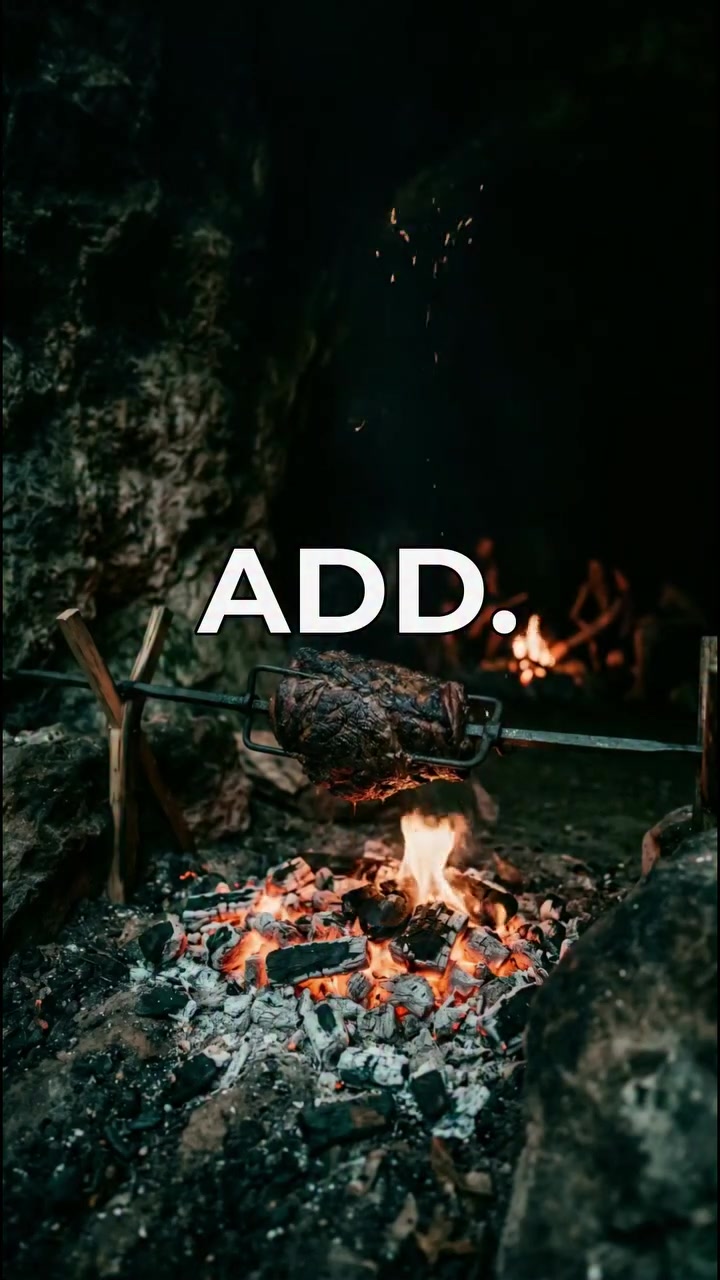
The centuries-old approach to nutrition, which relies solely on hunted animals, is filled with organ meats. But none of the meats are wasted.
Vital Viagrams from Sea
The Inuit's survival hangs on marine mammals—seal, whale—wholly consumed. The heart, kidney, liver, intestines are prized. Even blubber boasts essential vitamins, fats, and proteins. The Inuit also consume the whale's skin with a layer of blubber, called muktuk. The seal provides numerous essential nutrients. The whale provides many organ meats and fats rich in vitamins and minerals. The Inuit whaling culture revolves around the whale, which provides food, shelter, and clothing. The whale, which supports the community, is a vital resource.
Organic remedies from the land
Caribou, a land mammal, is another crucial part of the diet. Caribou supplies meat, organ meats, and skin. Like whale, caribou organs — heart, liver, and kidneys — are vital. Even the bone marrow can be consumed. The Inuit also consume the blood. The Inuit also consume caribou antlers, which contain many nutrients and medicinal properties. The focus on marine and land mammals provides a rich source of nutrients. The diet includes marine mammals like seal, whale, and walrus, as well as land mammals like caribou, muskox, and polar bear. The diet includes organ meats, fatty tissues, and bones.
The Marketplace of Organs
The Inuit live solely on organ meat sourced locally. Most Americans can't access these unique Arctic delicacies. However, supplements capture the essence of the Inuit diet.
Surprising Supplements with Scurvy-Solving Power
@heartandsoilsupplements offer an off-the-shelf replacement for the Inuit diet. The supplement is called "Heart and Soil's Whole Organ Blend Capsules." The supplement is made from the blend of organ meat. It is made from a blend of beef, pork, and chicken organs. The Inuit diet offers clues for a perfect vitamin-alternative. Ancestral diets suggest the value of organ meats. The capsule contains beef, pork, and chicken organs in one capsule. The organ meat blend offers a nutrition-rich alternative. @heartandsoilsupplements allow anyone to consume the nutritional equivalent of eating whale bladder, flesh, and blood.
Getting Your Arctic On
The Arctic diet is unsustainable for most, but there are ways to mimic its health benefits. First, seek out organ meats. Animals such as cows, pigs, and chickens are ideal. The organ meat is rich in nutrients and vitamins. Second, use a supplement that combines multiple organ meats. Third, add fatty tissues to the diet. Fourth, supplement with cod liver oil, rich in vitamins A, D, E, and K. Embrace the Inuit diet with fresh whale meat, seal, seal meat, and other delicacies. Their diet is rich in organ meats, fatty tissues, and bones. Consume organ meats, fats, and vitamins from marine mammals and land mammals. If fresh is impossible, * Organ capsules: opt for a supplement that condenses the nutritional power of the Inuit diet into a capsule. The Inuit's survival without traditional plant-based nutrients is a testament to adaptability. Their organ-focused diet provides a valuable lesson in consuming vital nutrients.
Questions readers ask
What specific organs did the Inuit consume to avoid scurvy?
The Inuit consumed a variety of organs to avoid scurvy, including liver, kidney, heart, and even the skin with a layer of blubber from marine mammals. These organs, especially when raw or dried, are rich in vitamin C.
How did the Inuit's diet differ from the typical Western diet?
The Inuit diet is centered around the meat and organs of animals like caribou, seal, and whale. They consume every part of the animal, including meat, bone marrow, and organs, which provides all the necessary nutrients and vitamins without relying on plants. This is a far cry from the typical Western diet, which heavily relies on plant-based foods and often excludes organ meats.
Can I get all the necessary vitamins and minerals from an animal-based diet like the Inuit?
Yes, you can get all the necessary vitamins and minerals from an animal-based diet, as the Inuit have shown. The key is to consume a variety of animal organs and fatty tissues, which provide a rich supply of vitamins, minerals, proteins, and fats. This diet is particularly effective in providing vitamin C, which is essential for preventing scurvy.
How does the Inuit diet relate to the modern 'nose-to-tail' eating trend?
The Inuit diet is a prime example of 'nose-to-tail' eating, which involves using all parts of an animal. This practice, which has been a part of Inuit culture for thousands of years, is gaining popularity in North America as more people embrace ancestral health and sustainable eating practices. The Inuit diet emphasizes resourcefulness and respect for the animal, ensuring that nothing is wasted.
Are there any modern health benefits to following the Inuit diet?
Following the Inuit diet can offer several modern health benefits, including a balanced intake of essential vitamins and minerals. The diet is rich in nutrients and vitamins from animal organs and fatty tissues, which can help balance modern eating habits. However, it's important to note that this diet may not be suitable for everyone, and it's always a good idea to consult with a healthcare provider before making significant dietary changes.
Why did the Inuit consume the whale's skin with a layer of blubber, called muktuk?
The Inuit consumed muktuk, or the whale's skin with a layer of blubber, as it is rich in essential vitamins, fats, and proteins. This practice is part of their whaling culture, which revolves around the whale as a vital resource for food, shelter, and clothing. The whale provides a variety of organ meats and fats, which are rich in vitamins and minerals, making it a crucial part of the Inuit diet.
Related deep dives
Similar reads based on topic and creator.



Recent articles
Fresh deep dives from the latest Reels we unpacked.
Comments
Be the first to comment.