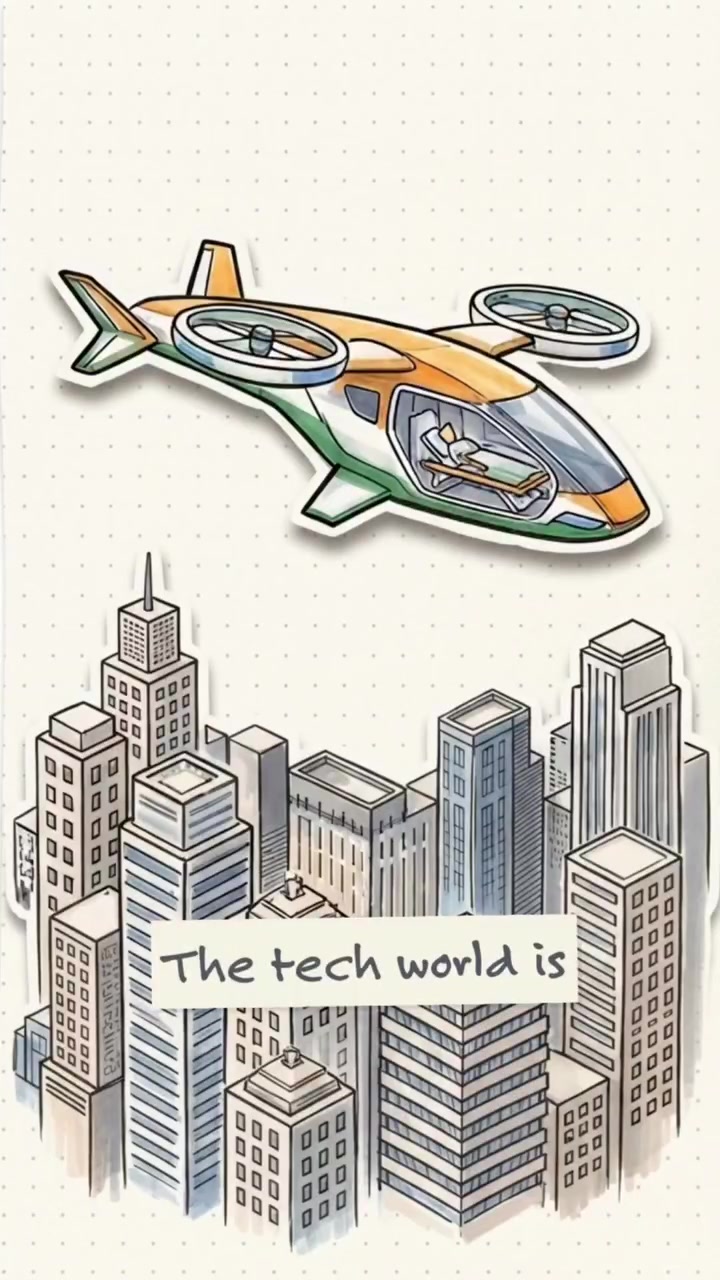
The ePlane Company is developing India's first electric aircraft, a vertical take-off and landing drone called the E200X. The flight vehicle is designed to transport patients and critical supplies. Unlike other electric aircraft projects, the ePlane project is not a futuristic concept. It aims to be India's first flying taxi increased the value of technology. Unlike many electric vehicle projects, ePlane is pioneering India’s entire electric aviation ecosystem: the aircraft, propulsion technology, software, and certification.
What’s India’s First Flying Taxi?
The E-200X is a compact electric vertical take-off and landing aircraft, or eVTOL. The aircraft sports a sleek, futuristic drone-like design. The aircraft can transform ways to transport people and supplies. Unlike traditional helicopters, the E-200X uses multiple electric motors for vertical take-off and landing and transitioning into forward flight for efficiency. This unique capability allows the vehicle to overcome dense urban traffic, offering a lifesaving solution for urgent medical transport. The ePlane Company has developed the aircraft from scratch, including designing custom batteries and a proprietary electric propulsion system. This comprehensive approach ensures that the E-200X is a fully independent and an indigenous innovation. It is the first electric aircraft in the nation. The E200X is designed to be used as an air ambulance. It will bypass traffic jams, speeding response time during emergencies, potentially saving lives.
The Road to Sky Clearance
Industry is pushing for a new breed of electric flying taxis. But in this project, the flight isn’t just about luxury rides. The mission of this project is to save lives.
Lifesaving promise
The electric air ambulance has the potential to save lives. Traditional road ambulances can be trapped in traffic, turning a 30-minute drive into a tragedy. The E200X, designed by IIT Madras professors, can bypass these jams by taking to the skies. E200X can transport patients, organs, blood, medicines, and other emergency supplies. The vehicle can transform how emergency medical services operate in hyper-dense cities, making it an essential tool for lifesaving missions.
The Test Run
Once designed, the project is moving into full-scale flight testing, supported by a partnership with Apollo Hospitals. This real-world testing will validate the E200X's capabilities and ensure that India's first electric flight is ready to beat traffic while saving lives.
City Skies, Savings Lives
The E-200X is not just a passenger taxi; it is a tool for life-saving missions. The aircraft has the potential to revolutionize emergency medical services, especially in dense urban areas. For now, the startup's target is set for 2027. It remains to be seen if India’s first flying taxi will start as an ambulance.
Navigating The E200X
The E200X is India’s first electric vertical takeoff and landing aircraft. It is shaping the future of urban air mobility. People are excited about its potential to revolutionize air travel and emergency services. To experience the E-200X, you may have to wait until 2027. In the meantime, the technology will be tested and refined for future launch. Keep an eye out for updates on the E200X, as this groundbreaking aircraft continues to pave the way for India's electric aviation future. The ePlane Company's innovative approach to urban air mobility could soon transform how people and critical supplies move through Indian cities, making a significant impact on emergency medical services and urban transportation.
Questions readers ask
What makes the e200X different from traditional helicopters in terms of urban travel?
The e200X is different from traditional helicopters because it uses multiple electric motors for vertical take-off and landing, and transitioning into forward flight. This makes it more efficient and able to navigate dense urban traffic, which traditional helicopters might struggle with. It’s designed to be a compact, futuristic drone-like aircraft, making it well-suited for urban environments.
How does the e200X aim to transform medical transport logistics in India?
The e200X is designed to transport patients, organs, blood, and other critical supplies, making it an essential tool for lifesaving missions. It can bypass traffic jams and speed up response times during emergencies, potentially saving lives by getting to patients faster than traditional road ambulances.
Who is developing the e200X, and what makes this project unique?
The e200X is being developed by the ePlane Company. What sets this project apart is that it’s not just an electric aircraft; it’s an entire ecosystem, including the aircraft, propulsion technology, software, and certification. The ePlane Company is pioneering India’s electric aviation industry from the ground up, making it a fully indigenous innovation.
What is the timeline for the e200X’s deployment, and what are the next steps?
The e200X is scheduled to be ready for deployment by 2027. Currently, the project is moving into full-scale flight testing in partnership with Apollo Hospitals. This testing will validate the aircraft's capabilities and ensure it is ready for real-world use in saving lives and transforming urban air mobility.
What are the challenges that the e200X might face in becoming a successful flying taxi?
The e200X could face several challenges, including regulatory hurdles, public acceptance, and technical issues during flight testing. The project’s success will also depend on how well it integrates with existing medical transport systems and how effectively it can navigate urban airspace.
What are the potential benefits of the e200X for urban areas besides medical transport?
Besides medical transport, the e200X could revolutionize urban air mobility by offering a faster and more efficient way to travel within cities. It could reduce traffic congestion, lower emissions, and provide a new mode of transportation for people and goods in densely populated areas.
Is the e200X designed to be a passenger taxi, or will it have other uses?
The e200X is primarily designed as an air ambulance, but it has the potential to be used as a passenger taxi as well. Its versatility makes it a valuable tool for both emergency medical services and urban air mobility. However, its initial focus is on saving lives through faster, more efficient medical transport.
Related deep dives
Similar reads based on topic and creator.




Recent articles
Fresh deep dives from the latest Reels we unpacked.




Comments
Be the first to comment.