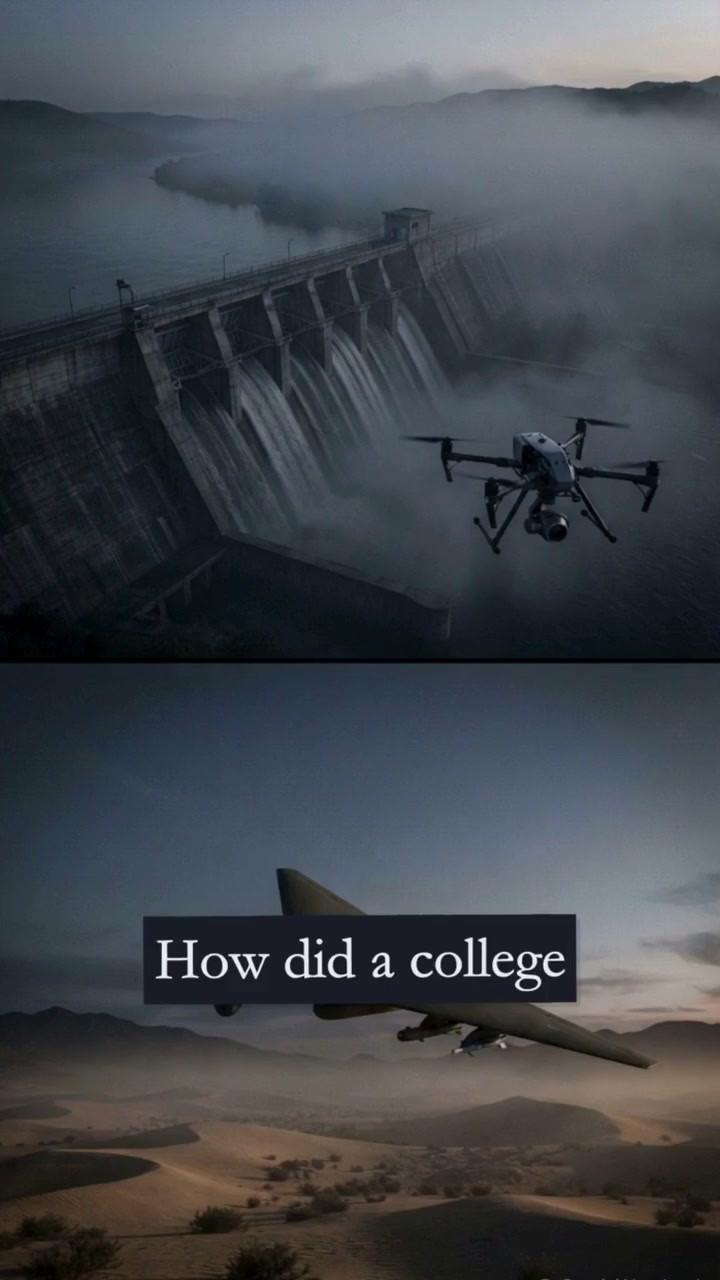
India's drone and aircraft technology is making big strides. The most remarkable newcomer is Project Cal: a 1,000-kilometer autonomous strike drone. The journey from a mapping tool to a weapon is a testament to homegrown innovation.
The Cal Drones — Autonomous Devastators
IG Defense's Cal is a long-range, one-way attack drone. It flies completely autonomously for up to 8 hours and carries a 50kg payload. Unlike reusable aircraft, Cal travels hundreds of kilometres, expending itself on impact. The drone's ability to autonomously navigate, fly long distances, and carry heavy payloads is unprecedented. It showcases a level of sophistication that rivals legacy systems. Cal is a disposable drone. Unlike traditional aircraft, it is not expected to return after attack. This is a deliberate design choice. It reduces risk for troops and lowers the cost of missions. Cal’s one-way trip is not just about striking targets — it also ensures that vital information about its mission is not recovered by the enemy. Cal’s design and mission profile are a significant leap.IG Defense's design simplifies the drone’s operation. There's no need for recovery or maintenance after the attack. This makes Cal versatile, cost-effective, and suitable for a variety of missions. IG Defense's strategic vision goes beyond the hardware. IG Defense aims to integrate Cal's technology to create a vast, mass-produced fleet of autonomous systems replacing traditional missiles.
Autonomous Warfighting and a Budget Overhaul
Mass-producing autonomous weapons like Cal may skirt the cost of traditional missiles. India’s defense budget can't be limitless. Autonomy provides a solution: affordable, reliable, and scalable warfare. Cal’s technology relies heavily on indigenous avionics, propulsion, and navigation systems. These components ensure that the drone can fly long distances and navigate autonomously. The benefits of autonomous systems, like Cal, are multifold. The technology ensures that India can bolster its defense capabilities without incurring the high costs traditionally associated with advanced military equipment. Security through self-sufficiency.
The Test that Secured Cal’s Future
Cal passed a rigorous flight validation test in Pokran, Rajasthan. The date was September 2026, and the purpose was to demonstrate Cal's capabilities. The tests validated the drone’s fully integrated indigenous avionics, propulsion, and navigation systems. The outcome was decisive. India's defense technology is now paving the way for the future of autonomous weapons. The tests ensured Cal’s operational readiness and paved the way for mass production. The success of Cal's test in Pokran is a landmark achievement. The test validated the robustness of indigenous technology developed by IG Defense. It's a milestone that affirms India’s capability to develop cutting-edge military technology.
The Beginning: A Student Project to a Defense Play
The journey began with a student project in mapping local dams. The founders of IG Defense, Bodhisattva Sangapriya and Om Prakash, started by mapping dam sedimentation. This led to an unexpected pivot. Their work garnered attention from the military, and within a few years, they shifted their focus to defense projects, including Cal. The founders’ journey demonstrates the potential for innovation in India. It shows how homegrown solutions can address complex problems. It also underlines the need for investment in research and development. The pivot from a civil engineering project to military technology highlights the versatility of their skills and the potential of military applications.
Financing a New Era
IG Defense has secured $5 million in funding, reaching an estimated valuation of $45 million. This allows them to scale up production. The funding is pivotal in IG Defense's journey. It ensures that IG Defense can keep pace with growing demand for autonomous strike drones. The capital will support the design and production of an entire fleet of autonomous systems.
How to Enter the Autonomous Strike Drone Market
Buying, testing, and deploying autonomous strike drones like the Cal involves several considerations.
- Purpose: Define the target use case. Do you need reconnaissance, strike capability, or something else?
- Funding: Autonomous systems can be complex and expensive. Planning and negotiating budgets is your first step.
- Training: Autonomous systems require specific training. Integrate this training into your operations plan. IG Defense’s journey represents a shift in India’s military technology sector. The democratic access to potentially autonomous strike drones symbolizes a brave new world.
Questions readers ask
What exactly is Project Cal and why is it significant for India's defense capabilities?
Project Cal is a long-range, autonomous strike drone developed by IG Defense in India. It's significant because it can fly up to 1,000 kilometers, carry a 50kg payload, and operate autonomously for up to 8 hours. Its disposable nature makes it cost-effective and reduces the risk to troops. This capability is a big leap for India's defense technology, showcasing indigenous innovation and potentially changing the dynamics of future battlefield scenarios.
How does Project Cal's design differ from traditional aircraft and other drones?
Project Cal is designed as a one-way attack drone, meaning it's not intended to return after its mission. This makes it different from traditional reusable aircraft and other drones. Its disposable design reduces operational risks and costs, as there's no need for recovery or maintenance after the attack. This also ensures that sensitive mission information isn't recovered by the enemy.
Can Project Cal be used in various types of missions, and how does its design make it versatile?
Yes, Project Cal's design makes it versatile for a variety of missions. Its ability to fly long distances, carry heavy payloads, and operate autonomously means it can be used in different combat scenarios. The fact that it doesn't need to be recovered or maintained after an attack simplifies its operation, making it cost-effective and suitable for diverse missions.
What role does indigenous technology play in Project Cal's development?
Indigenous technology is crucial in Project Cal's development. The drone relies heavily on locally developed avionics, propulsion, and navigation systems. These components ensure that Cal can fly long distances and navigate autonomously, showcasing India's capability to develop cutting-edge military technology independently. This self-sufficiency is a significant aspect of India's defense strategy.
What are the potential economic benefits of mass-producing autonomous weapons like Project Cal?
Mass-producing autonomous weapons like Cal could significantly reduce defense costs. Traditional missiles are expensive, and autonomy provides a more affordable, reliable, and scalable alternative. By integrating Cal's technology into a vast, mass-produced fleet, India can bolster its defense capabilities without incurring the high costs typically associated with advanced military equipment.
How did Project Cal's flight validation test in Pokran, Rajasthan, impact its development?
The flight validation test in Pokran was a pivotal moment for Project Cal. The test successfully demonstrated the drone's capabilities and validated its fully integrated indigenous systems. This validation ensured Cal's operational readiness and paved the way for mass production, marking a significant milestone in India's defense technology development.
What was the origin of the technology behind Project Cal?
The journey of Project Cal began as a student project focused on mapping local dams. The founders of IG Defense, Bodhisattva Sangapriya and Om Prakash, started by developing technology to map dam sedimentation. This initial work eventually led to the development of Project Cal, showcasing how innovative ideas can evolve from academic projects to significant defense technologies.
Related deep dives
Similar reads based on topic and creator.
Recent articles
Fresh deep dives from the latest Reels we unpacked.




Comments
Be the first to comment.