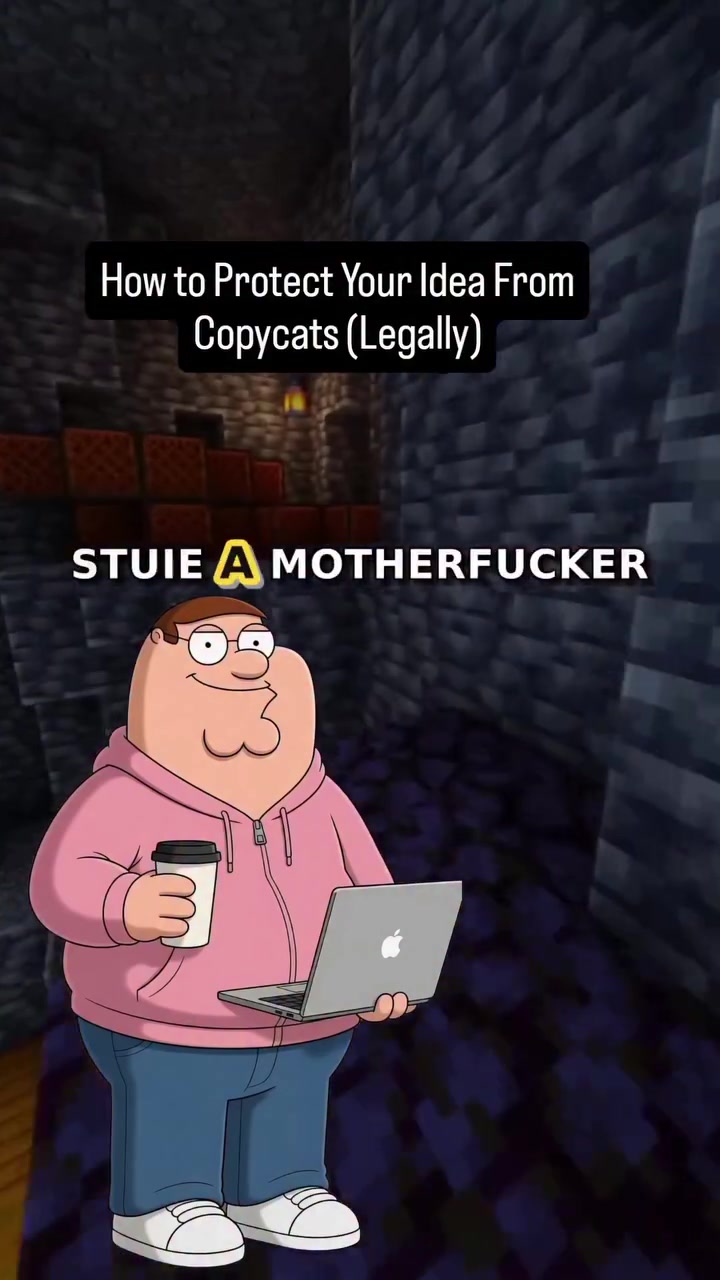
Understanding What It Means to Protect Your Digital Intellectual Property
Cloning is the worst. The start-up laptop screen shows every detail from the color scheme to the overall flow, not just ripped off — Jeff describes it as having "the domain almost identical to mine." Yet this kind of copying isn't always theft, legally speaking. The reality is that many elements of your digital tech stack, like how the UI looks when not actually stolen, can be easily mimicked by others. While it can feel like theft when someone copies your UI, colors, or layout, the legal landscape isn't as clear-cut as it might seem. Many of these visual elements are fair game for others to use, mainly because they are not illegal to copy and don't require explicit permission. These details, while frustrating, aren't surprising. Even if you think the clone is identical to yours, you don't have a "real case". The frustration is understandable, but the real issue lies in the fact that you haven't protected your digital property legally. There are several steps you can take to ensure you's legally no one else can copy your ideas without permission. Your approach involves a few crucial steps: registering for trademark, registering a copyright, and filing a provisional patent.
Safekeeping Against the Copycats
The real problem isn't just about having something copied; it's the lack of legal protection. Rooting out copycats requires taking proactive steps before any legal disputes arise. In many cases, copycats can mimic your UI, colors, or overall flow without legal repercussions. To truly protect your idea, you'll need to establish trademark and other legal precedents. Fortunately, there are several straightforward ways you can guard yourself.
### The Legal Trademark Murk
Your brand name is your first and strongest legal leg to stand on. If you've built a brand name that your audience recognizes, you have a legal right to protect your brand. This is particularly valid for copycats who try to be slippery with almost identical domain names. Trademarks are essential because they provide your brand with a unique identity and protect against any misuse or misrepresentation.
### The Sheer Scope of Copyrights
Copyright protection is another critical layer to consider. Your code and content are protected the moment you create them, but registering your copyright is key if you ever need to sue and win real money. This step is crucial for proving ownership and securing legal protection. Start by registering your copyright early on in the development process. You must have documented proof of ownership to enforce your copyright claims successfully.
### The Provisional Patent Process
If your process is genuinely new, filing a provisional patent can lock in 12 months of priority for just $65. Take advantage of this low-cost option to protect your innovative processes and ideas. The clock starts ticking as soon as you file, so ensure you have a patent lawyer review your provisional application. The $65 filing fee is a small price to pay for securing your idea's future.
### Documentation Adds Weight to Your Legal Argument
Documentation is essential to protecting your legal claims. Keep detailed records of all your projects, including code, design decisions, and discussions. This documentation will serve as crucial evidence if you need to take legal action against copycats. On top of keeping your thoughts organized, it ensures you have a clear timeline of your creation process.
### The Legal Expertise to Guide You
Legal advice is essential when protecting your digital intellectual property. Once the money gets involved in your ideas, you'll want a real lawyer to navigate the legal complexities. Document everything meticulously and hire a lawyer to handle any disputes. This proactive approach will help you avoid unnecessary legal battles and protect your ideas effectively.
Pursuing the Right Legal Protection
If you're serious about protecting your originality from copycats, follow these actionable steps:
- Trademark Your Brand: Your name is the cornerstone. Secure your identity.
- Copyright Registration: Your code and content are protected the moment you write them, but registering is critical for legal action.
- Provisional Patent: For genuine innovation, file a provisional patent. It's a low-cost way to secure 12 months of priority.
- Document Everything: Every idea, every change — keep records.
- Consult a Lawyer: When money is on the line, an intellectual property lawyer is your best ally.
The Informed Legal Path
The path to legally safeguarding your digital intellectual property is straightforward but requires proactive steps. By trademarking your name, registering your copyright, filing a provisional patent, and documenting everything, you can protect your ideas and innovations effectively. The legal system is complex, but with the right precautions, you can navigate it successfully and ensure your ideas remain yours.
Questions readers ask
What exactly is considered digital intellectual property in the context of apps?
Digital intellectual property for apps includes elements like the user interface (UI), code, and unique processes. These are the aspects that developers often worry about being copied, but they aren't always legally protected unless you take specific steps.
Why can't I just sue someone for copying my app's design?
You can't always sue for design copying because many visual elements, like the UI, colors, or layout, can be legally mimicked. These elements are often not protected by law unless you have specific legal protections in place.
What are the key legal steps to protect my app idea?
To protect your app, you should register for a trademark, register a copyright, and consider filing a provisional patent. These steps help establish legal precedents and protect your digital property.
How does a trademark help protect my app?
A trademark protects your brand name, giving you a legal right to prevent others from using a similar name, especially if they are trying to mimic your domain. It's your first line of defense against copycats.
What is a provisional patent, and why should I file one?
A provisional patent is a low-cost way to secure 12 months of priority for your innovative processes and ideas. It's a good first step if you think your app has a unique process, but it should be reviewed by a patent lawyer.
What kind of documentation should I keep to support my intellectual property claims?
Documentation is crucial. Keep records of everything from your development process, including the date and details of your app's creation, to any communications that might support your claims.
Can I protect my app's code with a copyright, and if so, how?
Yes, your code is protected by copyright from the moment it's created, but registering your copyright is essential if you need to sue for infringement. This step provides documented proof of ownership and strengthens your legal position.
Related deep dives
Similar reads based on topic and creator.



Recent articles
Fresh deep dives from the latest Reels we unpacked.

Comments
Be the first to comment.