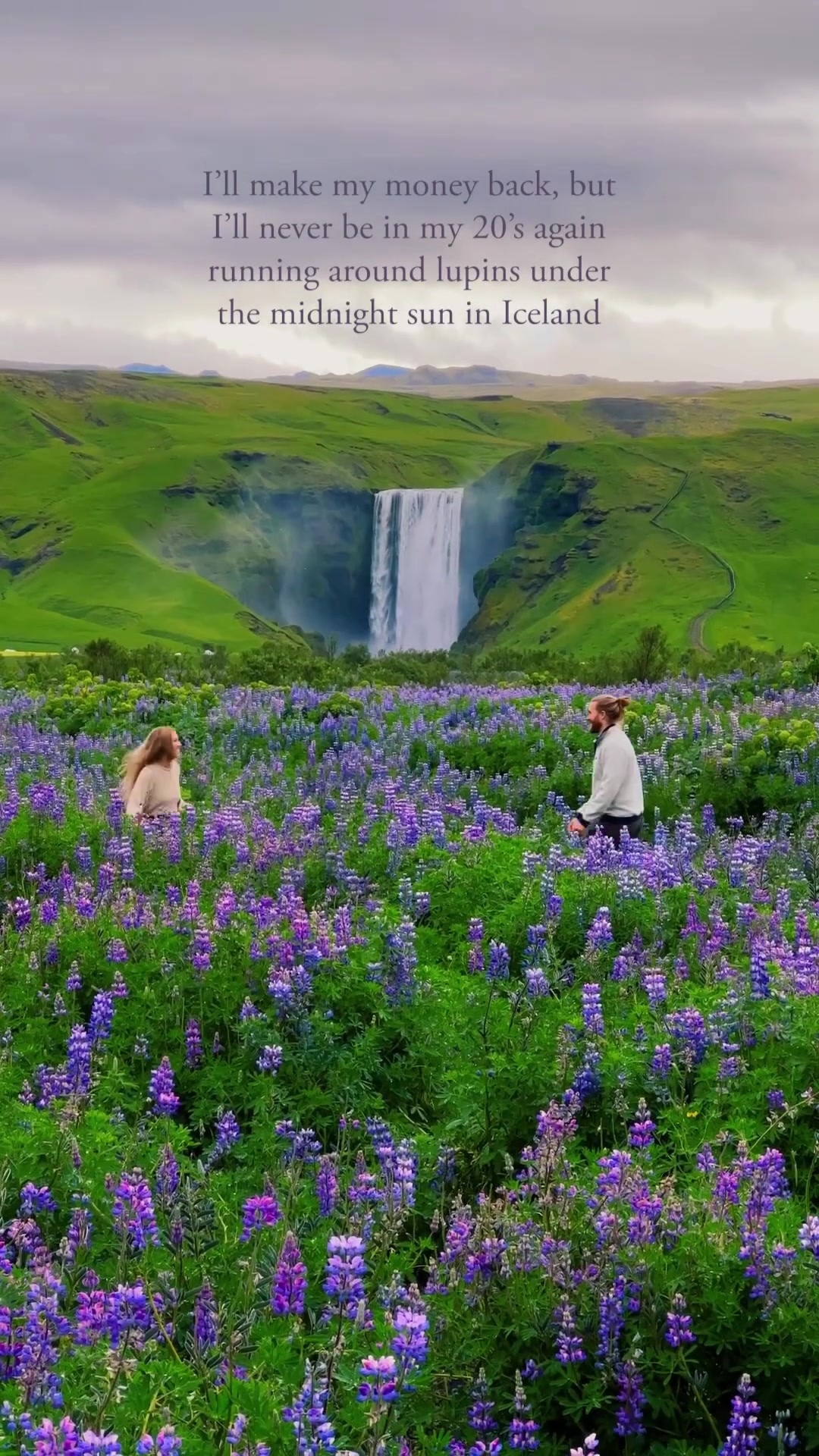
Iceland’s Enchanting Realms Iceland is a land of dramatic geology, from the geysers that erupt with Earth’s fury to the tranquility of mountains painted with mineral pigments. It’s also a place where nature’s spectacle occurs with no warning. In the past year, tourists rushed from across the world to see the volcanic eruption at Fagradalsfjall. And yet this is just a taste of Iceland’s allure. In a land full of roads that take travelers to stunning landscapes, many visitors may never see everything. What makes Iceland a marvel is the way this land combines the grand and the intimate. The world’s largest glacier, Vatnajökull, alone covers eight percent of Iceland yet the view of it divides people into how it feels: “that’s intimidating!” or “that’s joyful!”.
Iceland’s amazing landscapes
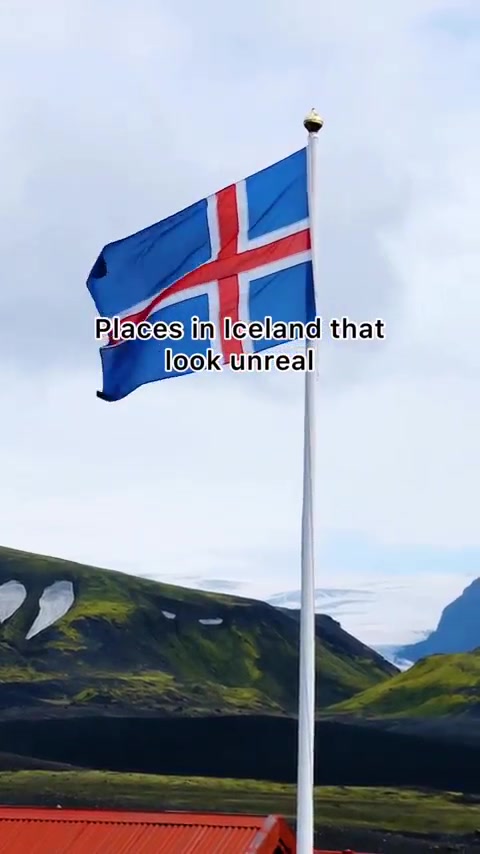
Iceland is home to a continually evolving landscape as tectonic plates slowly pull it apart, heating the Earth, and creating the work of nature. The island is dominated by distinct geological features—volcanos, lava fields, and glaciers. And yet, Iceland’s landscape is more than what is strictly geological. Some are stunning only because of their coloration. Onscreen text dubs Iceland’s energetic horizons "places that look unreal", and the term fits. The country is home to Landmannalaugar, where nature has painted the mountains with hues of green, yellow, and pink, from the minerals on the ground. And then, there are the heated geyser pools near Geysir, which spew water and steam into the air. This is a land where it's impossible to step away without being left in awe. Here the sky is always pulling for your eyes. It's either a storm raging in the horizon or the gusty calm torn by the Icelandic flag whipping in the wind.
Why Iceland is tourism’s envy
It’s impossible to ignore the way Iceland’s landscape has ballooned its tourism. In the past decade, Iceland’s tourism grew by 13% a year. This rise didn’t stall even when the world disappeared behind its masks. It’s no wonder that Icelandic state-run tourism marketing campaigns exclaim, "Iceland is the closest you will ever get to another planet." True to its reputation, Iceland’s nature is the best at making people feel insignificant. Iceland's geological might is best illustrated by Fagradalsfjall and its 2021 eruption. Leaving Iceland with a morning of rain off the coast, the ultimate feeling is a sense of calm in nature’s relentless geology.
Iceland’s geological playbook
The Flag and The Sky
The first thing visitors witness in the video is the Icelandic flag whipping against the sky. At first, it’s the country’s most recognizable symbol. Then, the background bleeds into the flag. When the land itself is so rich in coloration, even the sky becomes a notable element. At times, the sky is clear, while at other times it’s dim, or bright, or a shade of blue. What’s consistent is that Iceland’s sky is never grey. The sky’s drama is the cause of the country’s reputation. On any given day, the sun can be shining, or the weather is dark, or it can be snowing.
The Geysir’s hot embers
The Geysir hot spring erupted in the video. Every few minutes, a rush of steam and water erupts from the ground, so powerful that it’s visible from miles around. The name “geyser” itself comes from the Icelandic word “geysir,”. The geothermal activity that fuels Geysir is a result of Iceland's location on the Mid-Atlantic Ridge, where the Eurasian and North American tectonic plates are slowly drifting apart. This geologic activity heats the water underground, creating a natural plumbing system that shoots water high in the air. If you visit Geysir, you will notice that the water spews from the famous large cauldron that holds a stream of water and steam. This large cauldron was dormant for decades but was reopened with a small eruption in 2021.
Mineral montages
Of Geysir's neighbors, Landmannalaugar is the most fascinating. It’s a hiker’s paradise. Here the mountains are painted pink, green, and yellow. These are the Fjallskógarþráðir (that’s a mouthful), which translates to “color mountain slopes.” This colorful paint is produced by minerals that have a relationship with iron — such as iron oxide. But that’s the science of the colors. The most iconic sights here aren’t the peaks, but the cones that were formed by ash. In the phases of the eruption, ash is whipped across the mountains, leaving cones in their wake. They mark the end of the destructive nature of the eruption.
The Visionary and Volcanic
Drawing visitors to Iceland isn’t just about the vast landscapes; it’s also about the volcano’s energy. The ability to see an active volcano eruption is just one reason to visit. Fagradalsfjall is a volcano that is not reachable by car and is located 32 kilometers from Reykjavík. In 2021, red lava flowed down a ragged mountain. People flocked to see it — tourists and the locals alike, to watch nature’s force. What returned was a sight that can be tasted—just a spit away—from the car window. The volcano dripped red lava from its sides, lighting the night. And when the magma cooled, it left a trail of rock over the ground. The rock itself forms a dense, black crust that’s porous enough to hold water.
How to see Iceland
The wonder of Iceland’s topography is best experienced on foot.
- Reykjavik’s skyline: It’s the best place to start. Purchase tickets for the Domkyrkjan tower. From there, one can see the Hallgrímskirkja church. This monument combines the Gothic style with the lava of the surrounding landscape. The rooftop of the Hallgrímskirkja church is topped with a lightning rod that’s fashioned in the likeness of an ash cone. It’s an architectural nod to the impact of Iceland’s geology on its manmade structures.
- Camera-kit: Invest in a good camera to bring if you plan on exploring the countryside, and Iceland is a visual wonder. The nature’s colors and contrasts of Iceland are enchanting. What every tourist should know is that geysers and volcanoes can erupt anytime. Many of them are on a seasonal schedule.
Questions readers ask
What are the main geological features that make Iceland a unique travel destination?
Iceland is famous for its dramatic geology, including active volcanoes like Fagradalsfjall, vast lava fields, and massive glaciers. The country's landscape is constantly evolving due to the movement of tectonic plates, which creates stunning and ever-changing scenery. Additionally, the mineral-rich mountains, like those found in Landmannalaugar, add a vibrant and surreal element to the landscape.
How do the geysers in Iceland, like the one at Geysir, work?
Geysers in Iceland, such as the one at Geysir, are hot springs that periodically erupt with a column of water and steam. These eruptions are caused by the geothermal activity beneath the surface, where water is heated by magma and then forced upwards through a narrow channel, creating a spectacular display.
Why is Iceland’s tourism industry so successful, and how has it grown in recent years?
Iceland's tourism industry has thrived due to its unique and breathtaking landscapes, which attract visitors from around the world. The country's tourism grew by 13% annually over the past decade, even maintaining growth during the pandemic. This success is attributed to the country's otherworldly geology and the sense of awe it inspires in visitors.
What makes the sky in Iceland so unique and noteworthy?
The sky in Iceland is known for its dynamic and ever-changing nature. It can range from clear and bright to dim and stormy, and it’s never grey. This variability, combined with the country's vibrant landscapes, contributes to Iceland's reputation as a place of stunning natural beauty.
What are some of the most stunning landscapes in Iceland, and what makes them so special?
Some of the most stunning landscapes in Iceland include the mineral-painted mountains of Landmannalaugar and the geothermal pools near Geysir. These landscapes are special because of their unique coloration and the dramatic geological processes that shape them, making them feel almost surreal.
How does the eruption of Fagradalsfjall illustrate Iceland’s geological might?
The eruption of Fagradalsfjall in 2021 is a prime example of Iceland's geological power. The sudden and dramatic event drew tourists from around the world, showcasing the country's dynamic and unpredictable nature. It highlights how Iceland's landscape is constantly in motion, shaped by the forces beneath the Earth's surface.
What is the significance of the Icelandic flag in relation to the country’s landscape?
The Icelandic flag is a prominent symbol of the country, and when seen whipping against the sky, it highlights the dramatic and colorful backdrop of Iceland’s landscapes. The flag’s colors blend seamlessly with the natural hues of the land, emphasizing the harmony between the country’s identity and its stunning environment.
Related deep dives
Similar reads based on topic and creator.
Recent articles
Fresh deep dives from the latest Reels we unpacked.
Comments
Be the first to comment.