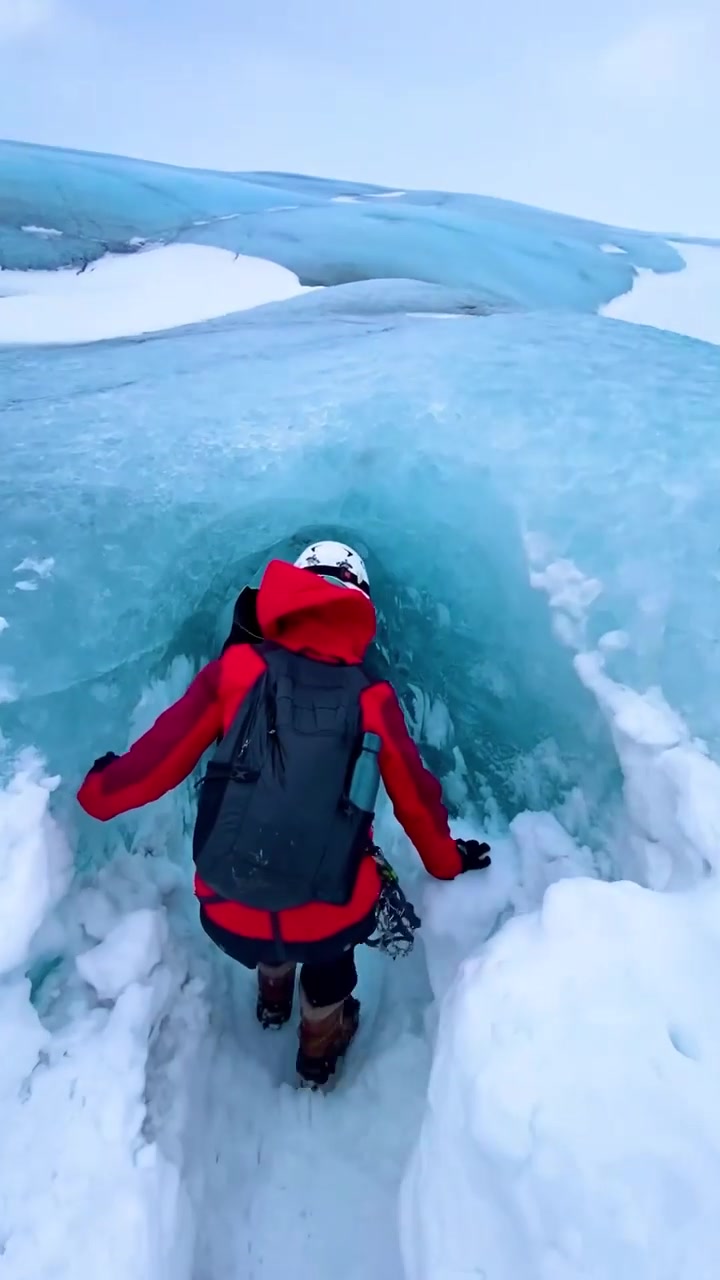
Ice climbing combines physical challenge with the otherworldly beauty of frozen landscapes. The climber calls for steady balance, danger is never far, and the reward is often a breathtaking view from a crevasse.
A Dance with the Elements
Ice climbing is a subgenre of mountaineering that involves ascending ice formations, which can range from frozen waterfalls to enormous glaciers. The climber uses a combination of ice axes, crampons, and ropes to secure their footing and prepare for falls, which would be fatal in most cases. Ice climbing can be done in many forms. For example, frozen waterfalls provide a vertical challenge, while glaciers and ice fields are more expansive. How it works can also vary — some ice climbers will use ropes and anchors to scale the ice, while others may choose to free climb with just their axes and crampons. Either way, the unique physical and mental demands of navigating a vertical landscape of frozen water make it a participatory experience unlike any other. What makes ice climbing distinctive is the ice itself: a slippery, dynamic surface that requires a different set of skills than rock climbing. Crampons are attached to the climber's boots, and ice axes are used to dig into the frozen water. The climber 'swings' the axe, and digs it into the ice, then pulls themselves up to the top of the ice.
Ice climbing is on the rise
Interest in cold-weather sports, including ice climbing and ice mountaineering, has surged. This trend is fueled by the allure of pristine, untouched landscapes, the thrill of adventure, and the growing acceptance of outdoor sports as a legitimate way of life. Ice climbing also fuses adventure with accessibility; no athlete attempted it until the 1900s. Many of its signature landscapes are now accessible to the casual adventurer, equipped with their own ice axe. It is a thrilling way to connect with nature with that adrenaline.
The Art of Swinging an Ice Axe
Ice Climbing Essentials
Ice climbing requires a set of specific gear, including crampons, ice axes, protective helmets, ropes, and anchors. The essential ice climbing gear is the ice axe.This tool has a flat metal head, a curved pick, and a grip. The size, weight, and shape of an ice axe can vary widely depending on the needs of the climber. Other essential gear includes crampons, carabiners, and harnesses. The climbing process is a rhythm: the climber swings the ice axe into the ice and hangs on it. The climber can then pull themselves up or get a foot hold. The climber then repeats the process, driving the axe into the ice and pulling themselves up. This is an extremely physical process and requires a great deal of upper body strength and endurance.
Risk Management
Objective Hazards
Glacial movement and crevasses make ice climbing inherently risky.Crevasses are deep, hidden cracks in a glacier that can be covered by snow and are impossible to see. Sometimes a strong wind can blow a climber right into a crevasse. Crevasses can also be dangerous because they can cause the ice to collapse, leading to deadly falls.
Risk Assessment
Risk assessment is an important aspect of ice climbing, often involving evaluating the ice quality and weather conditions. Visible cracks, hollow ice, or weakened ice are all signs that the climbing route may be dangerous. Additionally, avalanches can be a risk, especially in high alpine environments.
The Quest for the Perfect Spots
The Glacier Experience
Climbing a glacier is a once-in-a-lifetime experience: ascending a river of frozen water flowing slowly. Ice climbs are often found on the edges of glaciers. Glaciers can be found in high-altitude environments. Glaciers present unique climbing challenges. The glaciers are often covered in snow, and the ice can be unstable or weak. The glacier is also has been known to move, which can cause crevasses to form. Climbing on a glacier requires a combination of various climbing techniques and skills.
The Vertical Division
Some ice climbers choose to climb frozen waterfalls. Frozen waterfalls can be thin and narrow, and the ice can be delicate, changing over time. The ice can also be slippery and unstable, requiring the climber to have precise technique and balance. Furthermore, frozen falls are often found in remote areas and are subject to changing weather patterns.
Reach the Summit
Ice climbers aim to reach the top of an ice formation, which could be the top of a frozen waterfall or an ice field. This is the final, physical goal of ice climbing. Depending on the difficulty and length of the climb, the peak could be reached in a matter of minutes or after many hours. After some climbs, an ice climber will reach a place known as the summit. The summit is the highest point of the ice formation. It is a great feeling to stand at the top of an ice formation after reviewing a long, hard climb. However, when a climber reaches a summit, there is always the concern of glaciers moving as well as the imminent descent. Ice climbing is often a team sport, including a belayer and a climber, connected by a rope. Once the climber reaches the summit, the belayer has to lower the climber down the ice with the rope if the ice is a frozen waterfall. The climber must call for the belayer, telling them what to do next, based on the conditions of the ice. The climber takes instructions from the belayer, and the belayer must be vigilant and attentive at all times, keeping the climbers safe and supporting them while on the ice.
Embrace the Cold
Ice climbing demands specialized clothing and equipment — layers of warmth and protective gear. These layers are necessary to stay warm and dry in freezing temperatures because frostbite is a concern. Climbers need to be able to move freely in their clothing, and the gear must be durable enough to withstand the rigors of the climb. The climbers need a jacket that is breathable and waterproof. The climber will need a helmet to protect their head from falling ice, as well as crampons to grip the ice, and an ice axe. These tools are essential for navigating the icy terrain. Staying warm on a glacier is frequently a matter of staying active and moving. The best clothing will let the climber stay active and comfortable. The climber should dress in layers for ice climbing. The climbers also need to stay hydrated and feed their muscles. The climbers bring bottles of water or a thermos of warm liquid to stay hydrated. The climber also carries a high-energy food source to bring their energy up when they feel tired. Ice climbing requires a combination of physical strength, mental focus, and technical skill. To climb safely, climbers must be proficient with specific equipment and techniques. Watch videos with climbers and read ice climbing instruction books as a beginner.
The Beauty of a Frozen World
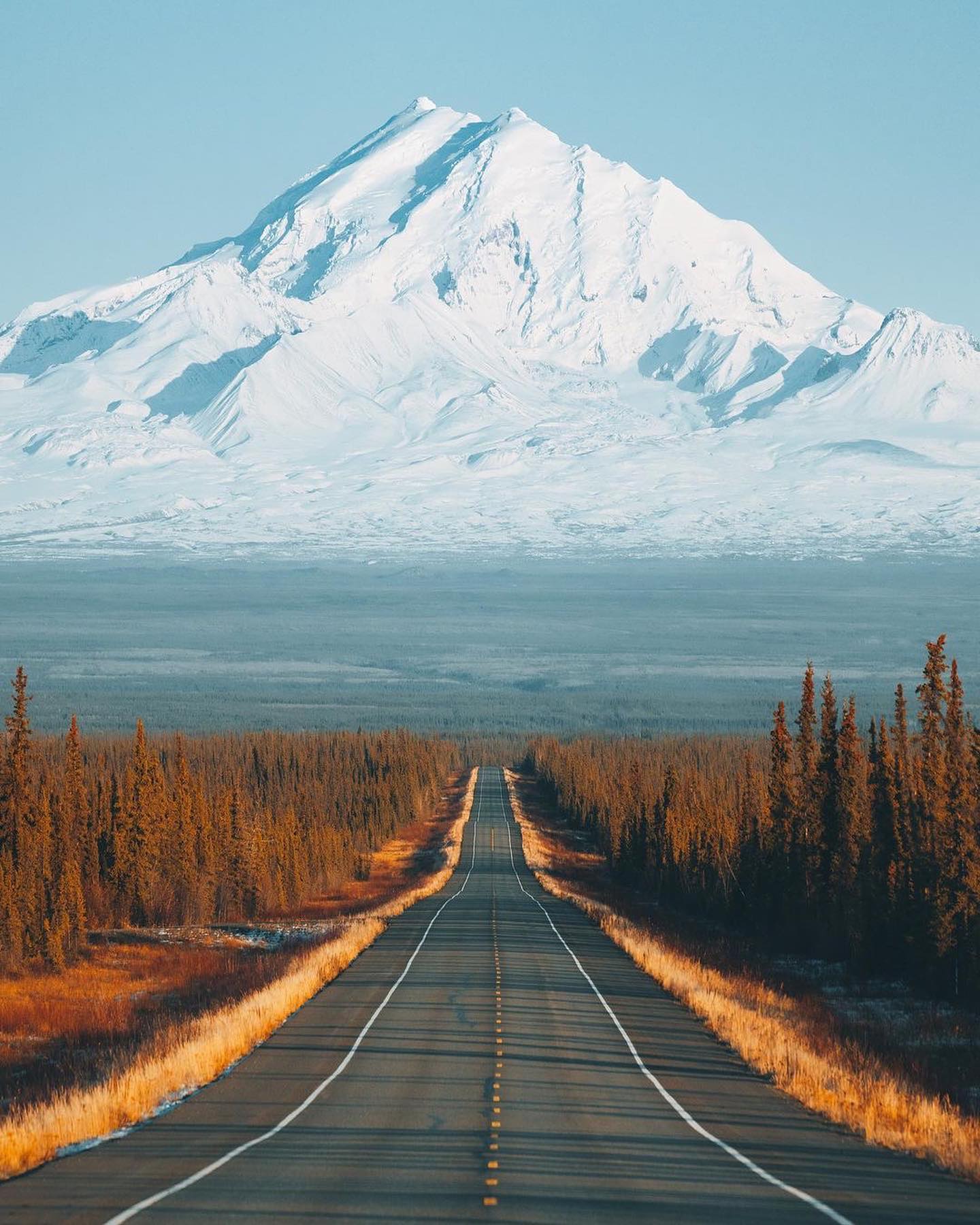
From a deep dive into the images, it's clear: Ice climbing is not simply a sport but a gateway to an untouched, serene landscape — one that demands respect and preparation. It's a love story with the elements.
Questions readers ask
What exactly is ice climbing and how does it differ from other types of climbing?
Ice climbing is a form of mountaineering that involves ascending ice formations, such as frozen waterfalls or glaciers. Unlike rock climbing, ice climbing requires navigating a dynamic and slippery surface. Climbers use specialized gear like ice axes and crampons to secure their footing and pull themselves up the ice. The physical and mental demands are unique, making it a distinctly challenging and thrilling experience.
What kind of gear do you need for ice climbing and why are ice axes so important?
Essential gear for ice climbing includes crampons, ice axes, protective helmets, ropes, and anchors. The ice axe is crucial because it allows climbers to dig into the ice and pull themselves up. Its design, with a flat metal head, curved pick, and grip, is tailored for this purpose. The size, weight, and shape of the axe can vary based on the climber's needs and the specific challenges of the climb.
How has ice climbing gained popularity and why is it attracting more adventurers?
Ice climbing has surged in popularity due to its allure of pristine, untouched landscapes and the thrill of adventure. It combines the excitement of a cold-weather sport with the accessibility of many of its signature landscapes. No longer exclusive to elite athletes, ice climbing is now a legitimate and thrilling way for casual adventurers to connect with nature while experiencing an adrenaline rush.
What are the biggest risks associated with ice climbing, especially when dealing with crevasses?
Ice climbing is inherently risky due to hazards like glacial movement and hidden crevasses. Crevasses are deep cracks in glaciers that can be covered by snow, making them nearly impossible to see. These hazards can lead to severe falls and collapses, making risk assessment a crucial aspect of the sport. Climbers must be aware of these dangers and take necessary precautions to mitigate risks.
How should a beginner start ice climbing, and what kind of training or preparation is needed?
A beginner should start with proper training and equipment. It's essential to learn the basics of using ice axes and crampons, as well as understanding the risks associated with ice climbing. Joining a guided tour or taking lessons from experienced climbers can provide the necessary skills and safety knowledge. Physical fitness, particularly upper body strength and endurance, is also crucial for navigating the vertical landscape of frozen water.
Related deep dives
Similar reads based on topic and creator.



Recent articles
Fresh deep dives from the latest Reels we unpacked.

Comments
Be the first to comment.