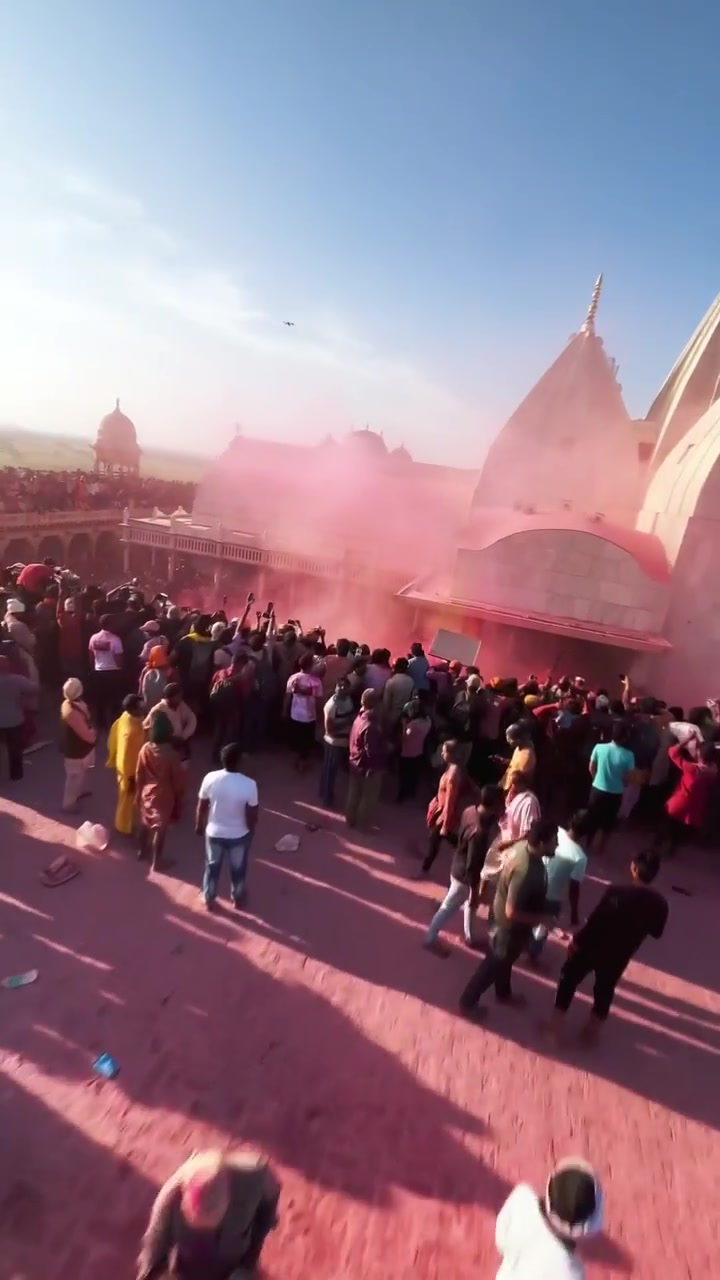
Holi is the festival that greets the arrival of Spring with a splash of vibrant colors and joyous spirit. From Bollywood films to family gatherings, Holi is the most awaited festival in many countries. The festival is often third in the sequence of cultural events. The excitement starts around February.
The holistic spirit of Holi
Holi’s distinctive nature lies in its multi-dimensional significance and approach. It is a celebration of colors, symbolizing the victory of good over evil and the arrival of spring. It also signifies a renewal of life and the triumph of light over darkness. The festival is celebrated in many parts of the world with vibrant enthusiasm. The festival lasts for two days and begins with Holika Dahan, or the lighting of a bonfire, on the first day. It is a tradition where people gather around a heap of wood and rubbish. On top of the heap, they place effigies of Holika and Prahlada. It symbolizes the victory of good over evil. The second day, of course, is celebrated with colors and water, the main attraction of the festival. There are many stories behind this colorful festival. The simplest is that people throw colored powder, (gulal), to ward off evil spirits and also to mark the end of winter and start of the new spring harvest season. The other story is about Prahlad and Holika. That one is a lot more interesting.
The triumph of virtue and the seasonal shift
The growing popularity of Holi festivals in Western countries points to a deeper phenomenon: India's cultural influence and the acceptance of diversity in international societies. With over 10 million Indians living in the United States, Holi celebrations have spread from major cities to small towns. This cultural exchange showcases the diversity within the country and the increasing interest in the traditions of a nation that values color. It makes everyone participate in the festivities. The spread of Holi festivals beyond India’s borders is a testament to the festival’s vibrant nature, which transcends cultural barriers. The real springtime joy of Holi is fun for the kids. It is often celebrated with the entire community. It doesn’t matter if the children are fighting with each other, they are always throwing the color at each other and shouting their playful taunts. Starting early in the morning, the celebrations can continue throughout the day. On rare occasions, it can last until the night.
The vibrant colors and the community
The rush of colors
The colors themselves are crafted with precision. Each color is deliberately chosen for its significance. It involves a process of artisans making the colors naturally. The natural ingredients are taken. Some of these colors can include herbs, flowers, turmeric, beetroots, pomegranates, and rose petals. The ingredients vary by region. The festival truly comes alive with the traditional colors of Holi. Everyone is covered in red, yellow, pink, blue, and green, which are the colors most often associated with Holi. The colors are now manufactured. However, shades of colors are not very much associated with Holi. These come from natural colors. Especially the Indian lehriya is very unique.
The Holi dance
The beats of the drum and the raging Bollywood songs inspire the participants to dance. Dancing became a way for people to express joy. The Holika festival is one of the most celebrated events in India. The celebration features dancing, laughter, and even a few raunchy jokes that lighten the mood. The Holi dance takes place with everyone participating together. The people who participate are not seen dancing alone, they often dance in a large group. The men and the women join hands and dance in a circle.
Holi food
The delicacies at the Holi festival are extremely similar to those at Diwali. People make Ghiwa, Gujia, and sweet rice pudding. These are to be shared with family and friends. The food is often shared with everyone who participates in the festival. In a way, it’s a symbol of sharing and unity. No festival is complete without food. Holi is well known for its traditional sweets. The most popular and well-known is the “Gujia,” a sweet dumpling typically filled with a mix of Khoya, coconut, and nuts. Malpua, a type of deep-fried pancake soaked in sugar syrup, is another famous Holi delicacy. These are served with a wide range of vegetables and delicacies. It emphasizes the communal nature of the festival.
Holi around the world
Holi is an elaboration of the spring, the festival of colors. The festival is celebrated in India, Nepal, and Pakistan. The Holi festival has extended to other countries. This includes those where large Indian expatriate communities live. Countries in which the festival has become popular include the United States, United Kingdom, and Canada. It is especially taken up in that part where there are Indian communities. The festival is also celebrated in Bangladesh, the United Kingdom, and Canada. In total, the festival is celebrated in more than 100 countries. The United States also goes big with Holi festivals in major cities. In Australia, as in many world capitals, Holi is celebrated in a rainbow of colors. People throw colored water and powders at each other. There are market stalls serving traditional Holi food, like seviyan (a sweet vermicelli dish). There are also a lot of Bollywood music and films playing around.
Make Holi happen
- Gather materials: Spend some time shopping and add a mix of bright colors. The most common colors are red, yellow, green, and blue.
- Find a group: Look for friends and family who want to celebrate. Since it's a community festival, every stanza must be covered.
- Decide on a location: Organize a venue with a large outdoor space, making sure it is not too crowded.
- Create snacks: The flavors of Holi are not complete without traditional Indian sweets and snacks.
Questions readers ask
What does the Holika Dahan ceremony involve, and why is it significant?
The Holika Dahan ceremony is the first day of Holi, where people gather around a bonfire. They place effigies of Holika and Prahlada on top of the heap of wood and rubbish. This tradition symbolizes the victory of good over evil, setting the tone for the festivities that follow.
What are the different stories behind the Holi festival?
There are multiple stories behind Holi. One of the simplest is that people throw colored powder to ward off evil spirits and mark the end of winter and the start of the spring harvest. Another popular story is about Prahlad and Holika, which adds a deeper layer to the festival's significance and meaning.
How have Holi celebrations changed in Western countries, and what does this say about cultural exchange?
Holi celebrations in Western countries have spread from major cities to small towns, with over 10 million Indians living in the United States. This spread highlights India's cultural influence and the growing acceptance of diversity in international societies, showcasing the vibrant nature of the festival that transcends cultural barriers.
What makes the colors used in Holi special, and how are they made?
The colors used in Holi are special because they are crafted with natural ingredients like herbs, flowers, turmeric, beetroots, pomegranates, and rose petals. These colors are chosen for their significance and are made by artisans using a natural process, although manufactured colors are also commonly used today.
How does Holi bring the community together, and what kind of atmosphere does it create?
Holi brings the community together by being a joyous celebration where everyone participates in the fun, especially the kids. People are covered in vibrant colors, and the atmosphere is filled with playful taunts and laughter, creating a sense of unity and joy that can last throughout the day and sometimes into the night.
What is the significance of the colors red, yellow, pink, blue, and green in Holi?
These colors—red, yellow, pink, blue, and green—are the traditional colors of Holi and are often associated with the festival. They are significant because they represent the vibrant spirit of the celebration and the arrival of spring. These colors come from natural ingredients and are often crafted with precision by artisans.
Related deep dives
Similar reads based on topic and creator.




Recent articles
Fresh deep dives from the latest Reels we unpacked.




Comments
Be the first to comment.