Bringing Color to Life
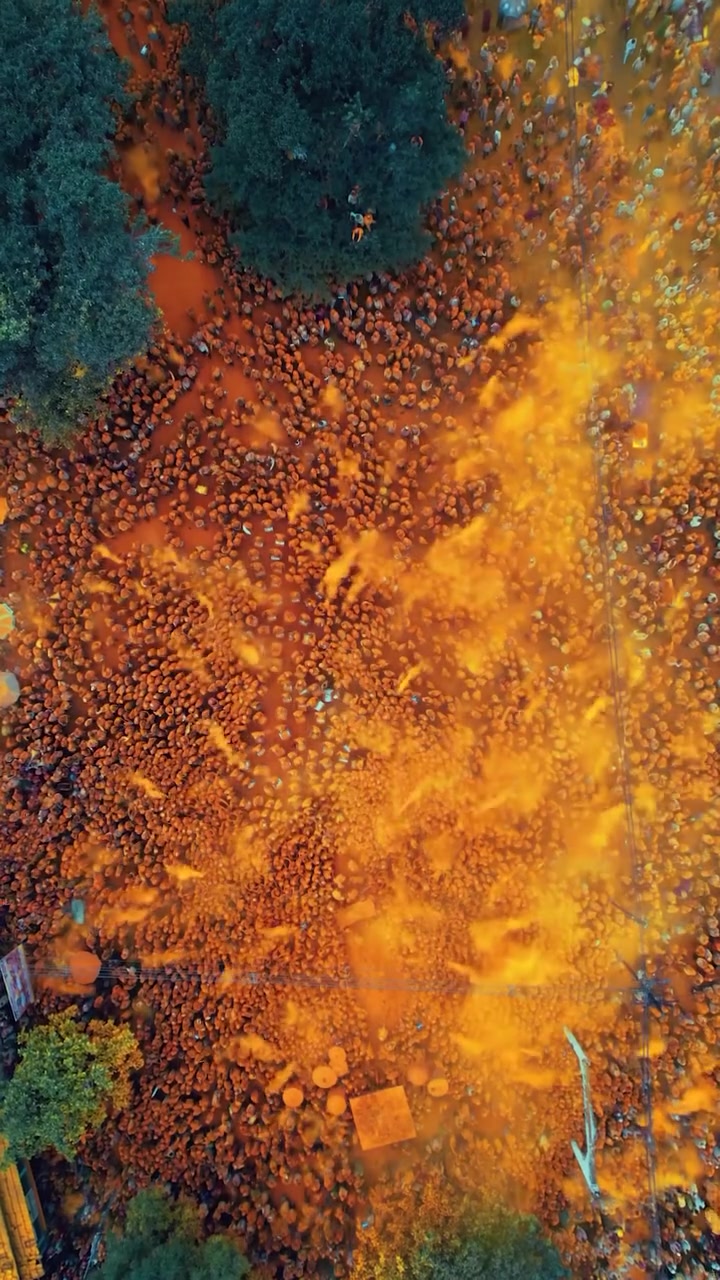
Holi festival is driven by vibrant colors and spontaneity. The festival is an occasion of joy and unity, drawing people together regardless of age, social status, or other differences. It is a celebration marked by the use of vibrantly colored powders, songs, laughter, and a sense of unity. But Holi isn’t just about the colors, it’s about the people, history, and rituals that make every celebration unique.
The Holi Experience
Holi, also known as the festival of colors, is celebrated primarily in India and other parts of South Asia. It is traditionally held at the approach of spring. The festival is filled with people throwing and smearing colored powder, spraying colored water, and dancing to the beat of traditional music. The sheer magnitude of participation creates a mesmerizing atmosphere. Amidst the bursting energy, Holi is the triumph of good over evil. The essence of Holi lies in its ability to transform everyday environments into a spectacle of color and life. The festival is steeped in historical and religious significance. One of the most famous stories associated with Holi is the legend of Hiranyakashipu, the malevolent demon king, and his son Prahlada, a loyal devotee of Lord Vishnu. Prahlada's unwavering faith in Vishnu would inspire the gods to finally take drastic action. In this legend, Holi celebrates the victory of good over the tyranny of evil. Holi is also celebrated right before shouting the joyful arrival of a new season. To many, it is synonymous with the arrival of spring, with the color yellow being particularly significant. Yellow represents the vibrancy and fertility of a new season, making it an integral part of Holi's colors. The festival’s vibrant hues are more than just decorative; they are a symbol of renewal and joy.
The Symbolism of Spring
Holi's celebration coincides with the arrival of spring, a season of growth and renewal. Fruits and flowers flourish throughout the season, and Holi's rich array of colors reflects the natural transformation outside. The festival ensures that everyone is an innocent child in the game of color, where age, status, or differences melt away as everyone comes together. Outside of India, Holi has gained popularity as a celebration of color and unity. It has a distinct significance in its birthplace, where it is often used as a time for addressing growing political tensions, social divisions, and communal harmony. It has an emphasis on uncovering the hidden joy within, the childlike ability to lash out anxieties through color. Holi is celebrated with great fervor and enthusiasm in various parts of India. Each region has its unique customs and traditions. For instance, in Mathura, the birthplace of Lord Krishna, Holi is celebrated with great pomp and show. The city is adorned with colors, and the famous Lathmar Holi, where men chase women with colors and they defend themselves with sticks, is a significant event. In West Bengal, Holi is celebrated as Dol Jatra. The festival includes various rituals, with the burning of Holika, a demoness, symbolizing the victory of good over evil.
The Ritual of Colors
The vibrant colors of Holi are more than just an aesthetic element. The festival's colors are a symbol of unity, joy, and the triumph of good. To partake in Holi is to participate in a series of rituals that connect people in a profound way. The day marks the beginning of the ritualistic fire or "Holika Dahan". The merriment starts with the lighting of a bonfire where people gather to sing devotional songs and celebrate this joyous day. The colors used during Holi are made from natural ingredients like turmeric, flower extracts, and other natural dyes. These colors are unique to Holi and represent the spirit of the festival. The colors symbolize different emotions and states of mind. For example, red represents love and passion, while green symbolizes new beginnings and freshness. The natural hues create a vivid imagery which makes sure to take care of those with sensitive skin.
The Festival's Social Impact
Holi is more than a festival of colors; it’s a social event that brings people together. It transcends religious and social barriers. People of different faiths, communities, and backgrounds come together to celebrate. This social aspect is one of the most significant aspects of Holi. Holi also serves as an opportunity to reconnect with family and friends. The festival is a great time to mingle and socialize. People exchange sweets and gifts, and the public often hosts community-wide gatherings. This creates a sense of unity and harmony, fostering stronger social bonds. This unity helps to transform social places and communities into festive grounds.
Getting Into the Spirit
Holi is a joyous celebration. However, it's important to follow some guidelines to ensure a safe and enjoyable experience.
- Preparation: Before participating in Holi, it's essential to prepare. Wear old clothes that you don't mind getting dirty. Opt for light-colored clothing to make the colors pop. Use natural, organic colors to prevent skin irritation.
- Hydration: Stay hydrated throughout the festival. Drink plenty of water and avoid excessive consumption of alcohol and spicy foods, which can dehydrate you.
The Colors of Hope
The essence of Holi is its ability to bring people together, no matter their differences. This celebration of colors is a testament to the power of unity and joy. This festival is filled with laughter, emotions, and the vision of hope for a joyous and vibrant future. This is an expression of every individual’s ultimate goal of being free from worries, tensions, and fears. Therefore, Holi is not just a festival, it is an experience that connects everyone with the universal spirit of joy and peace.
Questions readers ask
What exactly are the colors used in Holi, and are they safe for the skin?
The colors used in Holi are typically dry powder and colored water. Traditionally, they are derived from natural sources, but modern versions often use synthetic dyes. While many brands now offer organic, skin-friendly colors, it's always a good idea to check the labels and opt for natural, non-toxic options to avoid skin irritation.
How does Holi help in fostering unity and social harmony in India?
Holi brings people together in a joyous celebration that transcends social, cultural, and age differences. It’s a time when everyone, regardless of their background, comes together to play and celebrate. It provides a platform for addressing and overcoming social and political tensions, promoting a sense of unity and communal harmony.
What are the traditional foods and drinks associated with Holi?
While the article doesn’t delve into specific foods, traditional Holi treats often include sweets like gujiya, malpua, and thandai. Thandai is a refreshing drink made with almonds, fennel, cardamom, and milk, often served chilled. These foods and drinks are part of the festive spirit, adding to the overall joy of the celebration.
What makes Holi in Mathura so unique compared to other celebrations?
Holi in Mathura, the birthplace of Lord Krishna, is celebrated with great enthusiasm and unique traditions. One of the most notable events is Lathmar Holi, where men chase women with colors and they defend themselves with sticks. This playful and energetic tradition adds a distinct flavor to the festival in Mathura, making it stand out from other celebrations across India.
What does the legend of Hiranyakashipu and Prahlada have to do with Holi?
The legend of Hiranyakashipu and Prahlada is a central story behind Holi. Hiranyakashipu, a malevolent demon king, tried to kill his son Prahlada because of his devotion to Lord Vishnu. In the end, Prahlada’s faith inspired the gods to take action, and Holi celebrates the victory of good over evil, symbolizing the triumph of righteousness over tyranny.
How does the arrival of spring influence the celebration of Holi?
The arrival of spring coincides with Holi, and the festival reflects the season’s vibrancy and renewal. The colors of Holi, particularly yellow, symbolize the fertility and growth of spring. This natural transformation is mirrored in the festival’s atmosphere, making it a celebration of life, renewal, and joy.
How can you celebrate Holi if you can't travel to India?
If you can't travel to India, you can still celebrate Holi by organizing a small gathering with friends and family. Use natural, non-toxic colors, prepare traditional foods and drinks, and play music to create a festive atmosphere. You can also learn about the festival's history and significance to gain a deeper understanding and appreciation of the celebration.
Related deep dives
Similar reads based on topic and creator.




Recent articles
Fresh deep dives from the latest Reels we unpacked.


Comments
Be the first to comment.