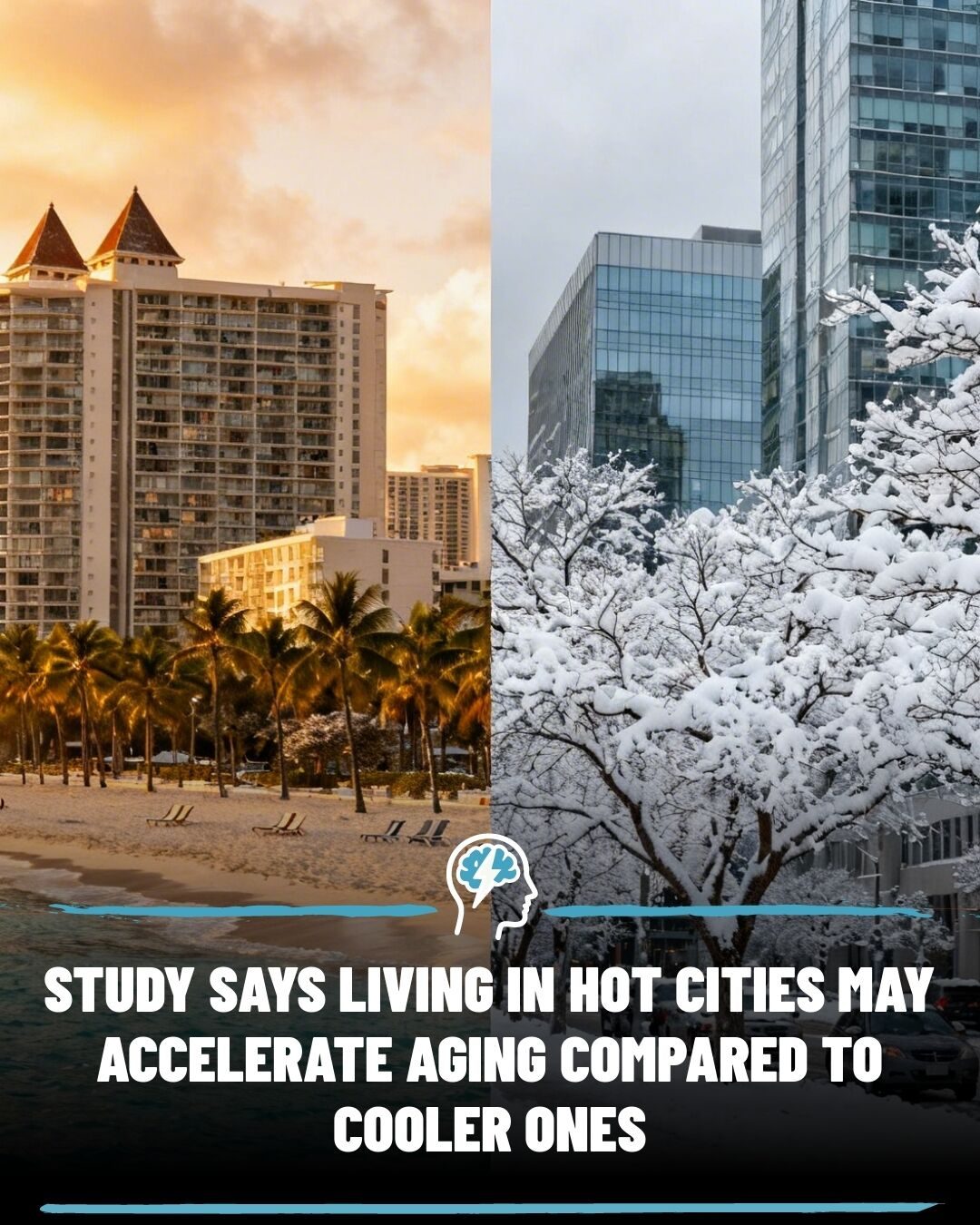
Extreme Heat and Aging: The Molecular Impact of High Temperatures
Living in extremely hot environments can accelerate biological aging more than you might assume. The relationship between heat and aging was recently explored in a 2025 study published in Science Advances. This study uncovered some fascinating insights about how chronic exposure to high temperatures affects the body at a molecular level.
Context: Why This Matters
As climate change increasingly leads to more frequent and intense heatwaves, understanding the health implications of extreme heat becomes essential. The study indicates that even small increases in extremely hot days can have significant long-term effects on our biological aging processes. This information is particularly relevant for individuals living in hot climates or experiencing prolonged heat exposure.
The Study: Key Findings
The research involved over 3,600 U.S. adults aged 56 and older, providing a robust dataset to examine the relationship between heat and aging. The key findings are as follows:
- Accelerated Aging: For every 10% increase in extremely hot days, researchers observed approximately 0.12 years of additional molecular aging. Over longer periods, this compounds to 0.6 to nearly 3 years of accelerated aging, depending on the intensity and duration of the heat.
- Molecular Mechanism: Heat stress triggers changes in DNA methylation, which controls how genes are switched on or off. Think of it as sticky notes on your genetic instruction manual telling cells what to do. Prolonged heat exposure can rearrange these "notes," leading to less beneficial outcomes.
- Inflammatory Pathways: These methylation shifts activate inflammatory pathways, raising levels of interleukin-6 and C-reactive protein. Chronic inflammation can affect immune function, cardiovascular health, and muscle regulation.
The Molecular Impact of Heat
DNA Methylation and Gene Regulation
DNA methylation is a process where methyl groups are added to DNA, changing how genes are expressed without altering the DNA sequence itself. This process is akin to sticky notes providing instructions to cells. In the context of heat stress, the methylation patterns change, which can lead to less favorable outcomes for cellular function. This alteration in gene expression can have cascading effects on various bodily systems, particularly those related to inflammation.
Inflammation and Health Risks
The study highlights how prolonged heat exposure can lead to chronic inflammation. This is characterized by elevated levels of interleukin-6 and C-reactive protein, both of which are markers of inflammation in the body. Over time, chronic inflammation can affect several aspects of health:
- Immune Function: Chronic inflammation can weaken the immune system, making individuals more susceptible to infections and diseases.
- Cardiovascular Health: Inflammation plays a significant role in cardiovascular diseases, such as atherosclerosis and heart failure. Prolonged exposure to heat can exacerbate these conditions.
- Muscle Regulation: Muscle health is also impacted by chronic inflammation, which can lead to muscle weakness and decreased mobility.
Factors Influencing Aging Patterns
While the study provides valuable insights, it's important to note that heat exposure alone doesn't tell the whole story. Factors such as income, healthcare access, and air quality also influence aging patterns. For instance, individuals with limited access to healthcare or living in areas with poor air quality may experience more pronounced effects from heat exposure.
Practical Tips for Managing Heat Exposure
Given the findings of the study, it's crucial to take proactive measures to mitigate the impact of extreme heat on your health. Here are some practical tips:
Staying Cool
- Air Conditioning: Use air conditioning when available, especially during peak heat hours.
- Hydration: Drink plenty of water to stay hydrated and help your body regulate its temperature.
- Shade: Stay in shaded areas and avoid direct sunlight during the hottest parts of the day.
Diet and Lifestyle
- Light Meals: Consume lighter, more frequent meals to avoid the metabolic heat generated by digestion.
- Avoid Heavy Exercise: Limit outdoor activities during peak heat hours and opt for indoor exercises or water activities.
Monitoring and Awareness
- Heat Index: Pay attention to heat indexes and advisories issued by local authorities.
- Health Checks: Regularly check on vulnerable populations, such as the elderly and young children, to ensure they are coping well with extreme heat.
Important Takeaways
Heat Stress and Aging
Extreme heat can accelerate biological aging through changes in DNA methylation and increased inflammation. This has significant implications for overall health and well-being, particularly for individuals living in hot climates.
Proactive Measures
Staying cool, hydrated, and aware of your environment can help mitigate the adverse effects of extreme heat. Regular health checks and adherence to heat advisories are crucial for managing heat stress.
Comprehensive Approach
A comprehensive approach to managing heat exposure considers multiple factors, including income, healthcare access, and air quality. Addressing these elements can help create a more resilient population better equipped to handle the challenges posed by climate change.
Conclusion
As extreme heat days increase with climate change, understanding the molecular impact of high temperatures on aging is more relevant than ever. By staying informed and taking proactive measures, individuals can mitigate the adverse effects of extreme heat on their health. This knowledge empowers us to make informed decisions and take steps to protect our well-being in an increasingly hotter world.
Questions readers ask
How does extreme heat accelerate the aging process at a molecular level?
Extreme heat can accelerate aging by altering DNA methylation, which is a process that regulates gene expression. This alteration can lead to changes in how genes are turned on or off, affecting various bodily functions and potentially speeding up the aging process. Additionally, heat can activate inflammatory pathways, contributing to chronic inflammation that is linked to accelerated aging.
What are the long-term effects of prolonged heat exposure on health?
Prolonged heat exposure can have significant long-term effects on health, including accelerated biological aging. This is due to the body's response to heat stress, such as increased inflammation and altered DNA methylation, which are associated with a range of age-related diseases. Even small increases in the number of extremely hot days can lead to noticeable health impacts over time.
Can living in a hot climate impact overall health and aging?
Yes, living in a hot climate can impact overall health and aging. The chronic exposure to high temperatures can lead to changes in the body's molecular processes, such as DNA methylation and inflammation, which are closely linked to the aging process. This can result in a higher risk of age-related health issues and a faster rate of biological aging compared to those living in cooler climates.
What did the 2025 study in *Science Advances* reveal about heat and aging?
The 2025 study in *Science Advances* found that chronic exposure to high temperatures can significantly accelerate biological aging. The study highlighted that even small increases in extremely hot days can have notable long-term effects on the body's aging processes, underscoring the importance of understanding and mitigating the health impacts of extreme heat, especially in the context of climate change.
How does heat affect DNA methylation and what are the consequences?
Heat affects DNA methylation by altering the way genes are expressed, which can lead to changes in various bodily functions. This alteration can disrupt normal cellular processes and contribute to accelerated aging. The consequences of heat-induced changes in DNA methylation include an increased risk of age-related diseases and a faster rate of biological aging.
What role does inflammation play in heat-accelerated aging?
Inflammation plays a significant role in heat-accelerated aging. Extreme heat can activate inflammatory pathways, leading to chronic inflammation in the body. This persistent inflammation is linked to a range of age-related diseases and contributes to the overall acceleration of the aging process.
Why is understanding the impact of heatwaves on aging important in the context of climate change?
Understanding the impact of heatwaves on aging is crucial in the context of climate change because it helps us anticipate and mitigate the health risks associated with increasingly frequent and intense heat events. By recognizing how extreme heat accelerates aging, individuals and communities can take proactive steps to protect their health and well-being during heatwaves.
Related deep dives
Similar reads based on topic and creator.




Recent articles
Fresh deep dives from the latest Reels we unpacked.




Comments
Be the first to comment.