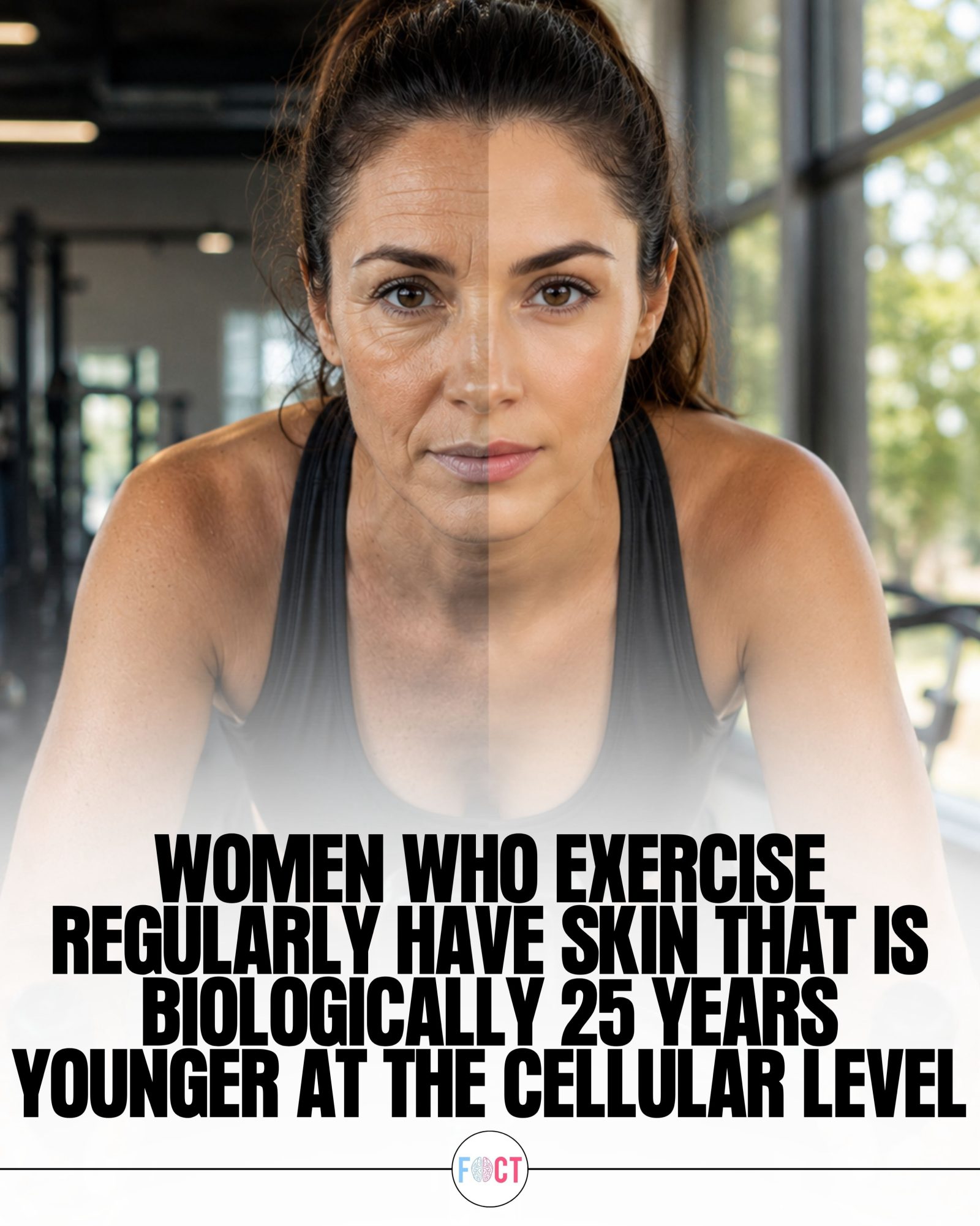
Exercise and Skin Health
Exercise is more than just a way to stay fit and maintain a healthy weight. It also plays a crucial role in maintaining and improving skin health. Recent research, particularly from McMaster University, has shed light on how regular exercise can significantly impact skin composition, making it biologically younger at the cellular level. This is especially true for women over 40. This article delves into the science behind this phenomenon, providing actionable insights into how exercise can enhance your skin's health and appearance.
Why This Matters
In a world where skincare products and anti-aging treatments are booming industries, it’s refreshing to learn that one of the most effective ways to achieve youthful, healthy skin is through regular exercise. The benefits extend beyond the visible improvements, affecting the skin at a cellular level. Understanding this connection can revolutionize how you approach skincare, focusing more on holistic health rather than just topical treatments.
Main Discussion
How Exercise Impacts Skin Health
Exercise stimulates the production of a protein called IL-15 myokine in muscle tissue. This protein travels directly to skin cells, reversing structural aging markers that topical products cannot reach. The result is a significant improvement in collagen density, dermis thickness, and overall skin health. This effect is especially pronounced in resistance training, which stimulates more collagen production than cardio alone.
Cellular-Level Benefits
The research from McMaster University found that women over 40 who exercised regularly had skin that was biologically equivalent to women in their mid-20s. This means that regular exercise can literally make your skin younger at a cellular level. This remarkable finding underscores the profound impact that physical activity can have on skin health, going far beyond what any cream or serum can achieve.
Sweat and Skin Health
One of the most straightforward benefits of exercise is how it clears skin pores. Sweating during a workout helps remove impurities and toxins from the skin, leaving it cleaner and more vibrant. Additionally, post-workout hydration is crucial for maintaining skin elasticity and firmness. Drinking plenty of water after exercising ensures that your skin remains hydrated and resilient.
Antioxidant-Rich Foods and Exercise
Combining exercise with a diet rich in antioxidants can amplify the skin-regenerating effects. Foods like berries, leafy greens, and nuts are packed with antioxidants that help fight free radicals, which are known to damage skin cells. When combined with the skin benefits of exercise, these foods can significantly enhance your skin’s health and appearance.
Practical Tips
Incorporate Resistance Training
Resistance training, such as weightlifting or bodyweight exercises, is particularly effective in stimulating collagen production. Aim for at least two resistance training sessions per week to maximize these benefits.
Sweat it Out
Make sure to break a sweat during your workouts. Sweating helps clear your pores and flush out toxins, contributing to healthier, clearer skin.
Hydrate
Hydration is key to maintaining skin elasticity and firmness. Always drink plenty of water after your workouts to replenish the fluids lost through sweat.
Eat Right
Incorporate antioxidant-rich foods into your diet. Foods like berries, green tea, and colorful vegetables can amplify the skin-regenerating effects of exercise.
Consistency is Key
Regular exercise is crucial for maintaining and improving skin health. Make fitness a consistent part of your routine to see long-term benefits.
Important Takeaways
Exercise as a Powerful Skincare Investment
Regular exercise is one of the most powerful investments you can make in your skin's health and appearance. It directly impacts skin composition, making it biologically younger at the cellular level. Compared to topical treatments, exercise is more effective in reversing structural aging markers. The gym is truly the most powerful skincare tool you can use.
The Role of Nutrition and Hydration
Complementing exercise with a balanced diet rich in antioxidants and staying hydrated can amplify the skin benefits. Proper nutrition and hydration ensure that your skin remains healthy and vibrant.
Resistance Training vs. Cardio
While both resistance training and cardio have their benefits, resistance training is particularly effective in stimulating collagen production. Incorporate resistance training into your fitness routine for optimal skin health benefits.
The Cellular Impact
The impact of exercise on skin health goes beyond the surface. It stimulates the production of proteins that directly improve skin structure and composition at a cellular level, making your skin biologically younger.
Conclusion
In conclusion, exercise is a game-changer for skin health. By regularly engaging in physical activity, especially resistance training, you can significantly improve your skin’s composition, making it biologically younger. Combine this with a diet rich in antioxidants and proper hydration to maximize the benefits. The next time you hit the gym, remember that you are not just working on your fitness but also investing in healthier, younger-looking skin.
Questions readers ask
What specific proteins does exercise stimulate to improve skin health?
Exercise stimulates proteins called fibronectin, collagen, and elastin. These proteins help improve collagen density, reduce wrinkles, and contribute to a more youthful appearance, especially for women over 40.
How does regular gym attendance benefit skin aging?
Regular gym attendance can help reverse biological aging markers in the skin by boosting collagen production and improving skin elasticity. This leads to a younger-looking complexion, thanks to the stimulation of specific proteins during exercise.
What are the benefits of exercise for women over 40 in terms of skin health?
For women over 40, regular exercise can significantly improve skin composition, making it biologically younger. This includes increased collagen density, reduced wrinkles, and better overall skin texture and appearance.
What did the McMaster University research find regarding exercise and skin aging?
McMaster University research found that regular exercise can make the skin biologically younger at the cellular level. This is achieved by improving skin composition and reversing aging markers, particularly through the stimulation of specific proteins during physical activity.
What kind of exercise routine can enhance skin health and appearance?
A well-rounded exercise routine that includes both aerobic activities (such as running or cycling) and strength training can enhance skin health. This combination helps stimulate protein production, improve collagen density, and promote healthier, younger-looking skin.
How does the gym contribute to anti-aging benefits for the skin?
The gym contributes to anti-aging benefits for the skin by providing a structured environment for regular exercise. This includes activities that stimulate the production of proteins like collagen and elastin, leading to improved skin elasticity and a more youthful appearance.
Recent articles
Fresh deep dives from the latest Reels we unpacked.




Comments
Be the first to comment.