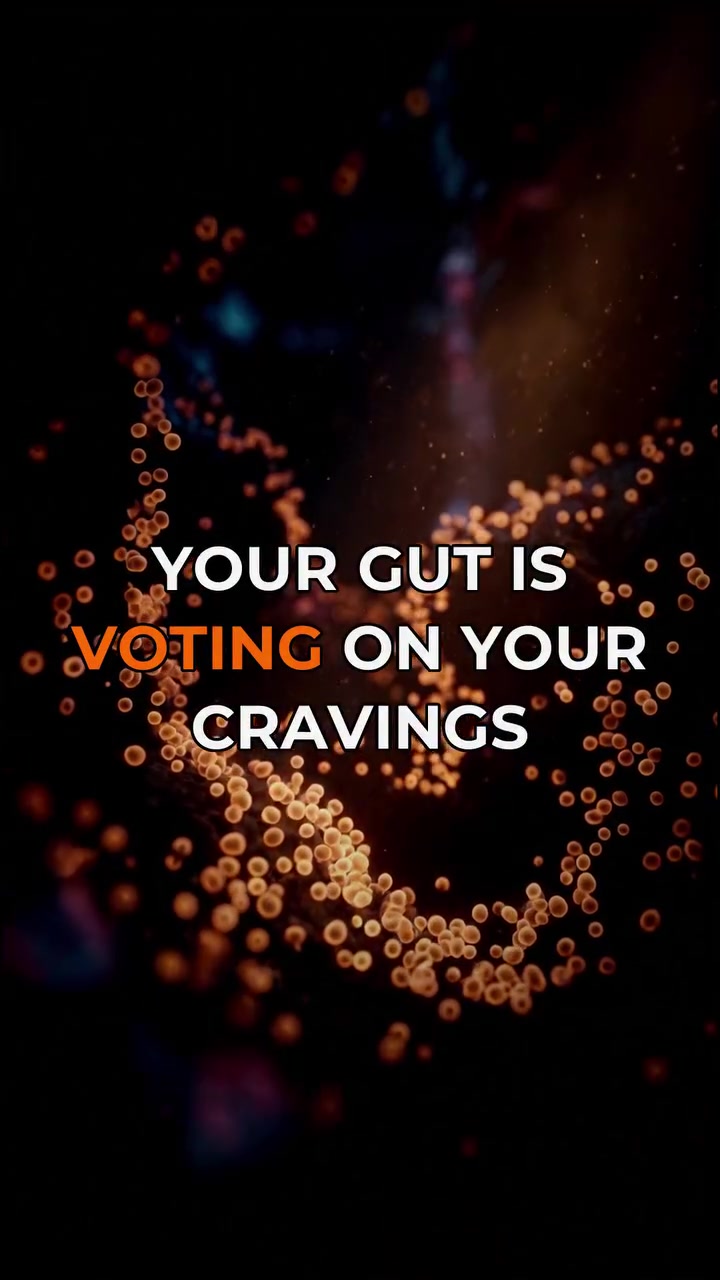
Trillions of bacteria are currently trying to manipulate what you’ll crave moments before sunset. These microorganisms in your gut have something to say about your appetite — and they aren't shy. This gut "election" influences what you crave and when you crave it.
The Voting Microcosm Inside Your Belly
Your gut microbiome is a dynamic ecosystem of trillions of bacteria. This ecosystem impacts cravings, and the microbes communicate their demands through your appetite. Bacteria campaigning for sugar tend to dominate the gut when fed refined carbohydrates. These species grow louder, pushing your cravings toward sweet, processed foods. Their votes are not silent — they can sway your taste buds towards sugar. However, this electoral process is fluid. Feed the gut bacteria a different kind of ballot — specifically, plants, fiber, and fermented foods — and the dynamics change. Fermented foods, such as kimchi and kefir, have shown a profound influence on the gut's voting process by starving out the sugar-loving bacteria.
Why Gut Voting Matters in the Modern Food Landscape
Microbiologists have begun to refer to the gut as the "second brain," and it's a notable shift in how we perceive our relationship with food. The gut has a significant influence on our eating patterns and is deeply connected to our overall health. It drives tendencies towards what scientists call "emotional eating." This is where the gut microbiome starts to become critical in the evolution of our digestive system. The modern food landscape has dramatically shifted. Our ancestors ate a diverse range of plants and other nutrients. Today's diet, however, relies heavily on a dozen or so species, leading to a gut microbiome dominated by a few loud voters. Today, fermentation could be the key to helping our gut find a more balanced vote. The significance of this microbiome's influence extends beyond food cravings; it includes managing inflammation. Inflammation is a significant part of many modern diseases. But the gut microbiome offers another potential pathway: restoring gut flora diversity, as found in a 2021 Stanford study. Feeding fermented foods daily, such as kimchi and kefir, can lead to healthier microbiomes. The study also showed lowered inflammation in just 10 weeks.
The Gut's Electoral Ecology
The voting system in the gut is a complex ecosystem. Various bacterial species exist within the gut, each with distinct appetites. Diverse diets stimulate diverse gut flora. Microbial diversity within the gut is important because it leads to balanced voting. This diversity can be affected by eating a wide variety of plant species. In the past, our ancestors likely ate over 100 plant species in a season. This diversity of foods helped maintain a diverse gut bacteria population, ensuring more balanced voting. Peer-reviewed studies advocate that diverse plant consumption is a key aspect of a healthy lifestyle, but it's not the only factor. There are many sophisticated interactions taking place within the gut. A diverse gut microbiome naturally leads to a balanced diet, which influences the body positively. The relationship between fermented food and gut health is intriguing. The 2021 study referenced earlier shows that fermented foods effectively starve the sugar-loving species, leading to a more even distribution of microbes.
The Influence of Fermented Foods
Fermented foods like kimchi and kefir can be game changers. Fermented foods are also known to improve digestion and enhance immunity. Fermentation is a process where bacteria or yeast convert carbohydrates into alcohol and acids, producing a distinctive flavor and texture. These foods can also be beneficial in controlling the gut flora, which influences the appetite and leading to an even taste distribution. The influence of fermented foods on the gut microbiome can be life-changing. A 2021 Stanford study found the daily consumption of fermented foods like kimchi and kefir dramatically increases gut diversity and lowers inflammation. The study indicates that over time, consuming fermented foods daily can lead to a more diverse and healthy gut.
How to Balance Your Gut’s Electoral Process
It's crucial to feed your microbiome in a way that prevents dominance by sugar-loving bacteria. Here are some practical guidelines:
- Plant-based diet: Increase the diversity of plant-based foods in your diet to provide a varied range of nutrients for your gut bacteria.
- Incorporate fermented foods: Regularly consume fermented foods to help starve out the sugar-loving species and promote a more diverse microbiome.
- Plan your meals: Understand that your future cravings will be influenced by your current food choices. The vote does not happen in isolation. This week’s plate is next month’s craving.
Your Plate, Your Vote
Forming a balanced microbiome can be simple and doesn't require drastic changes. As the Stanford study found with fermented foods, ensuring a diverse diet rich in plants and fermented foods can shift the gut's voting process and lead to a healthier, more balanced gut microbiome. Start by incorporating plant diversity and fermented foods into your daily routine, and observe the changes in your cravings and overall health.
Questions readers ask
How exactly do gut bacteria influence our food cravings?
Gut bacteria influence food cravings by communicating their preferences through your appetite. For instance, bacteria that thrive on sugar become more dominant when you consume refined carbohydrates, leading to stronger cravings for sweet, processed foods. This is part of an ongoing 'voting' process within your gut, where different bacterial species campaign for the foods they need to survive.
Can changing my diet really alter the types of bacteria in my gut?
Yes, changing your diet can significantly alter the types of bacteria in your gut. Eating more plants, fiber, and fermented foods can starve out bacteria that prefer sugar and promote a more diverse and balanced microbiome. This shift can help reduce cravings for unhealthy foods and improve overall gut health.
What are some specific foods that can help promote a healthier gut microbiome?
Foods rich in fiber, plants, and fermented foods like kimchi and kefir can help promote a healthier gut microbiome by feeding beneficial bacteria and starving out those that crave sugar. These foods encourage a more diverse ecosystem within the gut, which can lead to more balanced voting and healthier food cravings.
How does the modern diet affect the gut microbiome compared to our ancestors' diets?
The modern diet, which relies heavily on a limited variety of processed foods, tends to create a gut microbiome dominated by a few loud voters. In contrast, our ancestors' diets, which included a diverse range of plant species, fostered a more balanced and diverse gut microbiome. This diversity is crucial for balanced voting and overall gut health.
What is the connection between the gut microbiome and inflammation?
The gut microbiome plays a significant role in managing inflammation, which is a key factor in many modern diseases. A healthy, diverse gut microbiome can help reduce inflammation by restoring gut flora diversity. This can be achieved through dietary changes, such as incorporating more fermented foods into your diet.
How quickly can changes in diet impact the gut microbiome?
Changes in diet can impact the gut microbiome relatively quickly. For example, a 2021 Stanford study showed that daily consumption of fermented foods like kimchi and kefir led to a healthier microbiome and lowered inflammation in just 10 weeks. This demonstrates that dietary changes can have a noticeable effect on gut health within a short period.
What role does emotional eating play in the gut microbiome's influence on our food choices?
Emotional eating is deeply connected to the gut microbiome's influence on our food choices. The gut microbiome can drive tendencies towards emotional eating, where our food choices are influenced by our emotional states. Understanding and balancing the gut microbiome can help manage these tendencies and promote healthier eating patterns.
Related deep dives
Similar reads based on topic and creator.




Recent articles
Fresh deep dives from the latest Reels we unpacked.

Comments
Be the first to comment.