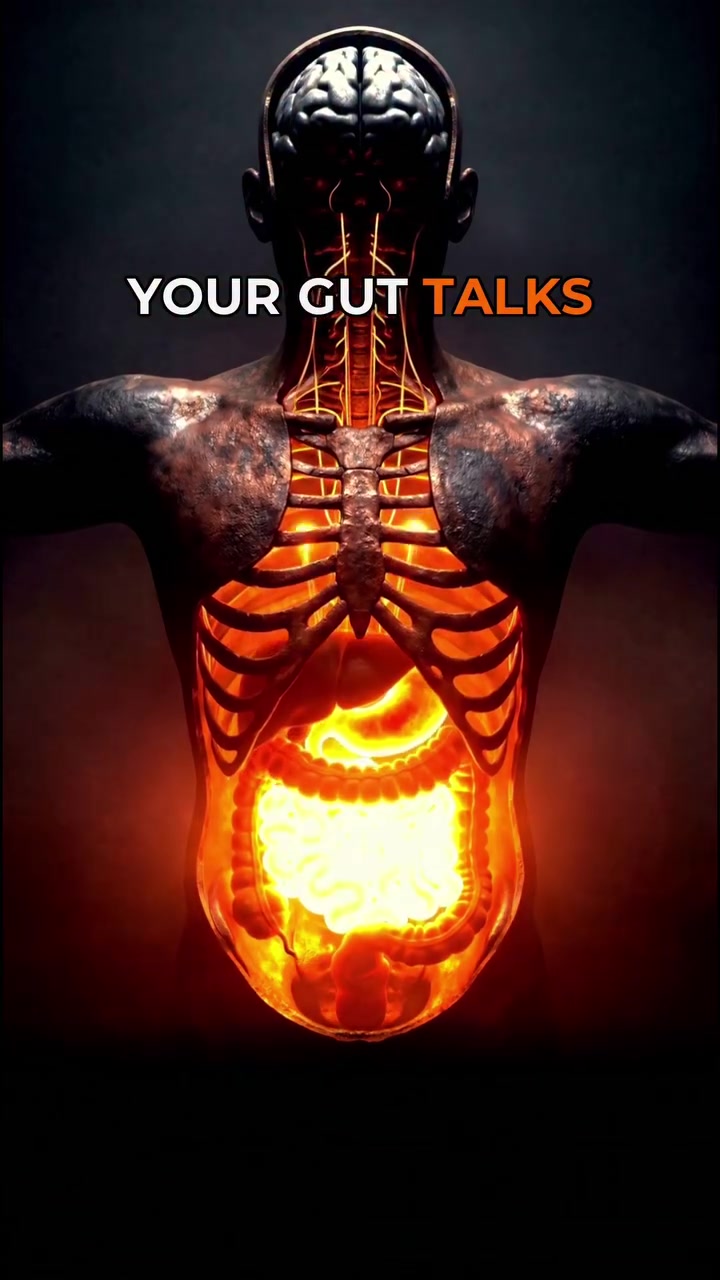
Trillions of bacteria dwell in your gut, actively communicating with your brain via the vagus nerve. Eighty percent of the nerve traffic between your brain and gut goes in one direction: up. The gut-brain axis is a real, two-way street. This gut-brain connection involves a vast array of bacteria, neurons, and nerves that make it critical to your overall health.
Your Gut’s Neural Superhighway
The gut-brain axis connects the gut and brain through sympathetic and parasympathetic pathways. The vagus nerve is a critical component of the parasympathetic nervous system controlling a range of vital functions — from your heartbeat to digestion. It carries 80% of the nerve traffic between the brain and gut. 500 million neurons are present in your gut and make you work according to the “gut feelings” you experience.
Thegut-brain axis is the communication link between the nervous system and the enteric nervous system.
The gut plays a key role in your physical and mental well-being. The conversation between the gut and brain is not one-way traffic. The vagus nerve, along with the sympathetic nervous system, takes care of this bidirectional communication. It is crucial for your nervous system and also coordinates immune functions, the hormone system, and plenty of other activities. It is a second nervous system which also deals with breathing, mood, sleep, and memory.
Why It Matters: A Gut Feeling gone wild
The gut-brain connection is bigger than mental health. The gut talks to nearly every system you have — your immune system, hormones, skin, and even your heart. What harms it? Many of the things we consume and stress ourselves with — ultra-processed food, chronic alcohol, NSAIDs, and seed oils. Even breathwork can hurt you if it is not functional. It is a way of breathing to calm your mind and body and that connects your brain. What helps? Fermented foods, fiber variety, and polyphenols. All these pieces — breast milk, fermented foods, polyphenols and breathwork — support your bacterial density and diversity.
An Enteric Deficit
The human gut is still a big mystery. This two-way street has been studied for over a century, but we have grown only about a third of what lives down there. We still do not know what a healthy gut looks like. It’s a complex ecosystem. For example, we do not know what a healthy gut looks like. But we are learning, as one study highlights. A 2021 Stanford study highlights healthy gut flora. The more diversity and density bacteria display, the more healthy the gut will function. Subjects eating fermented foods every day — kimchi, kefir, sauerkraut — had more diverse gut bacteria and lower inflammation in 10 weeks. These foods are essential for a healthy gut. They improve your gut health through fermentation. Fermentation helps in the absorption of nutrients and improves the overall health of the intestines.
What do the figures tell you?
Some strong correlations between gut health and mood are evident. Research shows your gut bacteria regulate your immune response, influence hormone levels, and even produce neurotransmitters. The effects of diet, stress, and disease can alter the gut microbiome, potentially leading to health issues. The gut microbiome also affects heart, lung, and brain health. Research continues to uncover the important role the gut microbiome plays in overall health. Diet is the most influential determinant of what we get from our microbiome. The types of foods you eat determine what microorganisms you have.
Fermented Foods for Your Gut
Fermented foods have been a staple around the world for centuries. Fermented foods — like kimchi, kefir, and sauerkraut — contain probiotics, which are beneficial bacteria. These bacteria can help improve your gut health by increasing the diversity of your gut microbiome. They also help you digest food more efficiently. They support a healthy digestive system, boost your immune system, and may even help prevent chronic diseases. Incorporating fermented foods into your diet can help you reap these benefits. Add a spoonful of yogurt to your smoothie, a side of kimchi to your burger or a dollop of sauerkraut on your sandwich. The possibilities are endless.
Is Your Gut Triggering Flares
There are many foods that disrupt the microbial connection. The most common culprits are ultra-processed foods. They are found in nearly every aisle of the grocery store. They are convenient, but they are also very unhealthy. They have very little nutritional value. Ultra-processed foods, chronic alcohol, NSAIDs, and seed oils damage the gut. They harm the beneficial bacteria in your gut, leading to inflammation and other health issues. Some gut conditions can lead to flare-ups, which can be painful and debilitating. These flare-ups are typically triggered by specific foods or stress. The foods most often associated with gut flares are processed foods, artificial sweeteners, and dairy products. Certain medications, such as NSAIDs, can also cause flare-ups. You need to monitor your diet and limit the consumption of these foods. If you experience symptoms such as gas, bloating, or abdominal pain, you should avoid these foods.
Keeping the Line Clear between Gut and Brain
Your gut talks. Your brain listens. The conversation between the two is a crucial one for your overall health. Create a balanced diet with fermented foods, fiber, and polyphenols. Keep your gut healthy and happy. The profitable pathway between the brain and the gut is multifaceted. It is the way of taking care of our mental health. Gut health researchers have long been puzzled by the complexity and interactions of the microbiome — the vast community of bacteria and other microbes that live on and in the human body. Researchers have been examining the gut-brain axis for over a century, but although they have learned a lot, there is still much to be discovered. They are now using advanced techniques to explore the microbiome's interactions with the gut and the rest of the body. They are finding that the bacteria in the gut can communicate with the brain in a number of ways, including through the vagus nerve, which connects the gut and the brain. It would be interesting to know what will be the results of these ongoing studies.
Related deep dives
Similar reads based on topic and creator.




Recent articles
Fresh deep dives from the latest Reels we unpacked.




Comments
Be the first to comment.