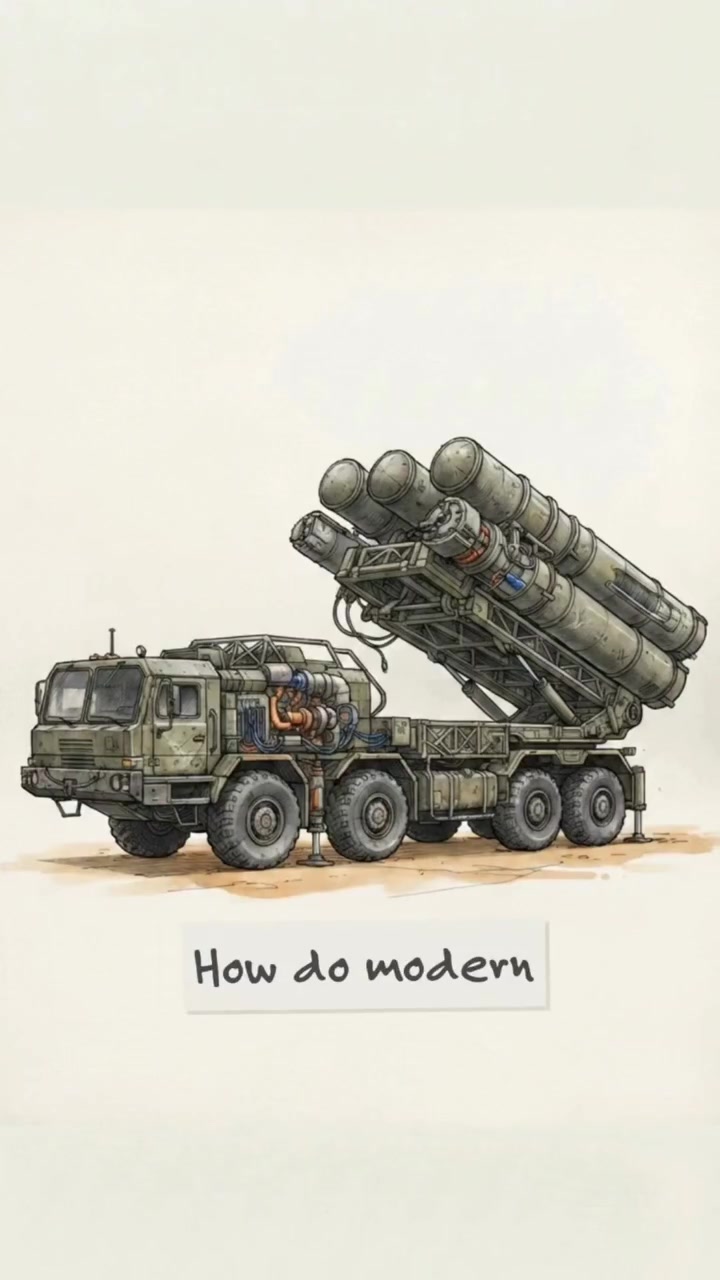
Defenders going broke firing multi-million dollar air defense systems at dirt-cheap airborne threats is the stark reality of modern missile math. A single PAC-3 missile, priced at $2 million, is deployed solely to shoot down a $40,000 attack drone a 50:1 ratio that doesn't work.
The Economic Trap of Missile Math
Military defense systems, particularly missile systems, face a daunting challenge: the economic disparity between the cost of defensive and offensive weapons. Traditional missile systems are exponentially more expensive than the drones and other airborne threats they are designed to intercept. This imbalance is what the speaker refers to as "missile math" — the economic trap where defenders end up spending disproportionately more to counter cheaper threats. For example, the PAC-3 missile, a high-end air defense system, costs $2 million, whereas it is often used to intercept drones that cost around $40,000. This 50:1 cost ratio highlights the economic inefficiency of traditional defense mechanisms. The high cost of defensive missiles makes it economically impractical to use them against cheaper, yet strategic threats like drones. Imagine deploying a $2 million missile to shoot down a $40,000 drone. The sheer expense of defensive systems presents a strategic and fiscal dilemma. Military budgets are strained, and the resources required to maintain such high-end systems could be better allocated to more cost-effective solutions.
**The Impact on Modern Warfare
The economic trap of missile math gravely affects modern warfare. Traditional missile systems, while effective, are prohibitively expensive. This financial burden can strain military budgets, diverting funds from other critical areas. In addition, the rapid advancement of drone technology has made it increasingly challenging for conventional defense systems to keep pace. The economic disparity in missile math underscores the urgent need for affordable, scalable, and efficient countermeasures. The ability to deploy cost-effective countermeasures can significantly alter the dynamics of warfare. As the current ratio stands, defenders are at a financial disadvantage. The economic trap of missile math also raises concerns about preparedness. It is crucial to invest in innovative defense strategies that can level the economic playing field.
The Guardian: Powerus’s Counter-Drone Solution
The Guardian, a product of Powerus, is redefining modern missile math. This high-speed, semi-autonomous interceptor offers a cost-effective solution. It costs just $5,000, an order of magnitude cheaper than traditional systems. By mass-producing and distributing manufacturing, Powerus ensures that the Guardian can be deployed quickly and efficiently, right near the battlefield. The interceptor is equipped with semi-autonomous sensor fusion, which allows it to detect and destroy incoming threats. Radar systems identify the targets, and the interceptor guides itself at burst speeds of up to 340 km/h, ensuring swift and precise interception.
Distributed Manufacturing for Enhanced Defense
Distributed manufacturing, the Guardian ensures a more resilient and adaptable defense strategy. Instead of relying on a single, vulnerable factory, Powerus builds interceptors in allied regions near the battlefield. This approach offers several advantages. First, it minimizes supply chain vulnerabilities since production is decentralized. Second, it reduces transportation costs and delays, enabling faster deployment. Third, it leverages local resources and expertise, enhancing the overall efficiency and effectiveness of the defense system.
Reliance on Semi-Autonomous Technology
The Guardian's semi-autonomous capabilities are central to its effectiveness. In scenarios where a massive swarm of drones attacks, human operators can quickly become overwhelmed. Semi-autonomous sensor fusion allows the interceptor to detect, track, and neutralize threats efficiently, reducing the cognitive load on human operators. The Guardian relies on the fusion of multiple sensor inputs, including radar, to guide itself towards the target, ensuring precision and accuracy. This autonomous capability not only enhances the system's effectiveness but also mitigates the risk of human error.
Reversing the Economic Imbalance
By deploying the Guardian, the economic imbalance in missile math can be reversed. A $40,000 drone can now be intercepted for just $5,000, flipping the dynamic in favor of the defenders. This cost-effectiveness makes the Guardian a game-changer in modern defense strategies. The economic trap of missile math can be overcome by investing in innovative, cost-effective solutions, ensuring a resilient and efficient defense system.
Assess The Guardian
Cost: $5,000, price point could be attractive at approximately 12.5% of the cost of the PAC-3 missile
- Effectiveness: Capable of intercepting a $40,000 drone, potentially reversing the economic imbalance
- Deployment: Mass-produced and distributed manufacturing near the battlefield
- Technology: Semi-autonomous sensor fusion, guiding itself to the target at burst speeds of up to 340 km/h
- Advantages: Cost-effective, resilient, adaptable, and efficient The perfect interceptor system will vary based on specific needs and objectives, but the Guardian offers an impressive balance of cost and performance.
Equipping the Future of Defense
To equip the future of defense, militaries must embrace innovative, cost-effective solutions like the Guardian. Distributed manufacturing and semi-autonomous technology can significantly enhance defense capabilities, ensuring a more resilient and adaptable defense system. Incorporating cost-effective solutions can alleviate the economic burdens and ensure a more sustainable and robust defense strategy. Implementing such solutions will also allow for better resource allocation, ensuring that military budgets are utilized more efficiently. The future of defense lies in the balance of cost and performance, with innovative solutions like the Guardian leading the way.
Questions readers ask
What exactly is the Guardian Interceptor and how does it work?
The Guardian Interceptor is a product of Powerus, designed as a cost-effective countermeasure against drones. It operates semi-autonomously, using sensor fusion to detect and intercept incoming threats at high speeds, making it a more affordable alternative to traditional missile systems.
How does the Guardian Interceptor compare to traditional missile systems in terms of cost and effectiveness?
The Guardian Interceptor is significantly cheaper, costing around $5,000 compared to the $2 million price tag of a PAC-3 missile. While traditional systems are effective, their high cost makes them impractical for countering cheaper threats like drones. The Guardian offers a more economical solution without sacrificing effectiveness.
What role does distributed manufacturing play in the deployment of the Guardian Interceptor?
Distributed manufacturing allows for the rapid and efficient production of the Guardian Interceptor, ensuring that it can be deployed quickly and in large numbers. This approach enhances defense capabilities by making the interceptor more accessible and adaptable to various battlefield scenarios.
Can the Guardian Interceptor be integrated into existing defense systems?
The article does not explicitly state whether the Guardian Interceptor can be integrated into existing defense systems. However, its semi-autonomous nature and high-speed interception capabilities suggest it could complement traditional systems, providing a more cost-effective layer of defense.
How does the economic imbalance in missile math affect military budgeting and strategy?
The high cost of traditional missile systems strains military budgets, diverting funds from other critical areas. This economic trap forces militaries to seek more affordable and efficient countermeasures, as using expensive missiles to shoot down cheaper drones is fiscally impractical.
What are the potential challenges in adopting the Guardian Interceptor as a primary counter-drone solution?
While the Guardian Interceptor offers a cost-effective solution, potential challenges could include ensuring reliable sensor fusion technology, maintaining production and distribution efficiency, and integrating it seamlessly with existing defense infrastructure, though details are not provided in the article.
Related deep dives
Similar reads based on topic and creator.




Recent articles
Fresh deep dives from the latest Reels we unpacked.




Comments
Be the first to comment.