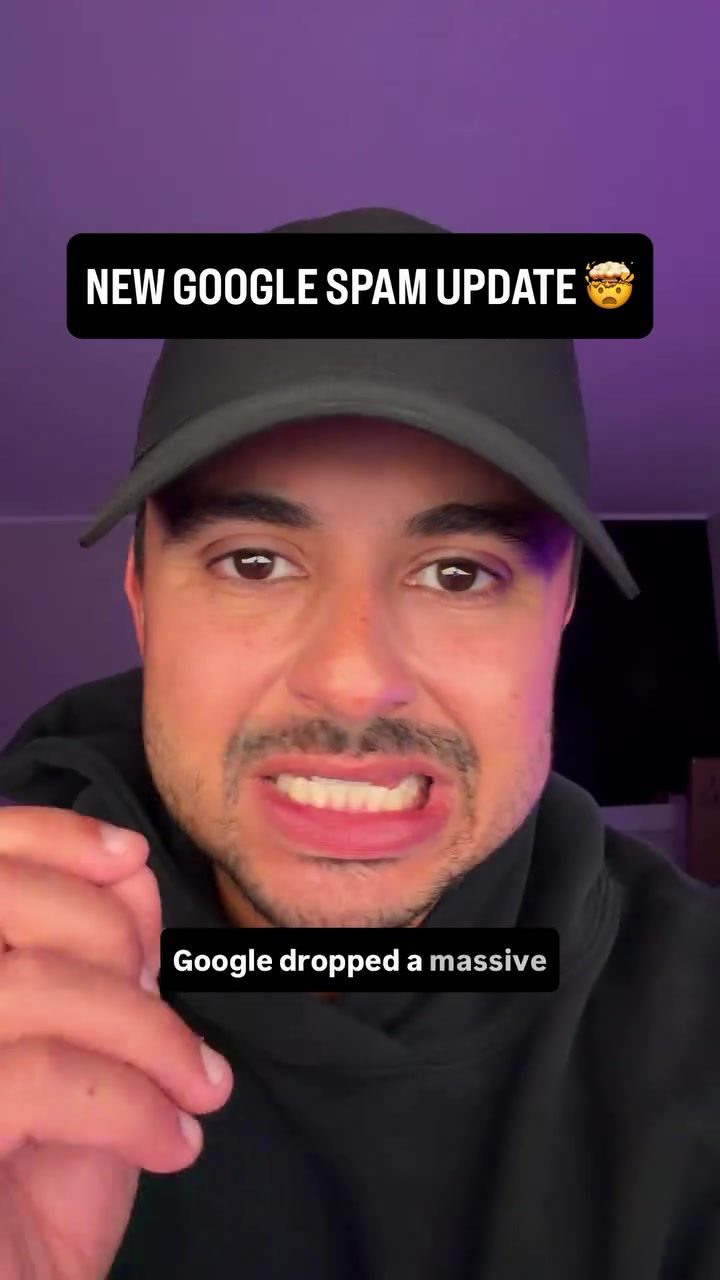
Identifying the Impact of Google's August Spam Update
Google's spam update in August, specifically from the 18th onward, marked a significant shift in search engine optimization strategies, particularly for websites employing AI-generated content. According to the speaker, the update targeted pages with minimal human intervention, specifically those generated via AI tools. This is a critical moment for digital marketers who have automated content-creation processes. The update's focus on AI-generated content without a human touch may signal a broader initiative to enhance the quality of online content, prioritizing human contribution over automation. For those affected, the first step is to evaluate the impact on search traffic. This involves setting a custom date range in Google Search Console (GSC) from August 18th through the latest available data and comparing it to the previous period. This straightforward analysis helps determine which pages were the hardest hit. The next step requires uploading the CSV file generated from this comparison into a cloud-based tool. As stated, this tool will provide specific insights into the pages affected, identifying pages that "lost 30%+ impressions or clicks."
Ranking Lost Pages for Recovery
The visibility of these pages undoubtedly dropped due to the update. As a result, it is essential to closely examine pages that have lost significant impressions or clicks. The purpose? This allows targeted rewrites. The speaker suggests choosing a page, extracting its title and target keyword, and using these elements to rebuild content. The emphasis on quality over quantity here is vital, often underscoring the need to rewrite content that Google finds "rank worthy". This step is crucial to ensuring that the content is not only noticed but appreciated by Google's algorithms. For webmasters whose traffic has plummeted and can't afford to lose more time or revenue, the rapid recovery process is essential. As the speaker mentioned, rewriting content should be executed swiftly. These rewrites should incorporate actual human experience and expertise, ensuring that the content is both unique and relevant. With Google's algorithms growing increasingly sophisticated, these rewrites are critical to restoring traffic levels.
The Role of Comment Interaction
The recovery process requires significant engagement from the audience as well. Viewers are asked to comment with specific instructions and engage with the content creator. This not only builds a community but also creates a feedback loop necessary for more refined and user-focused content creation. The community engagement aims to help users reclaim their lost search rankings by providing them with necessary prompts that can guide their content recovery efforts. This community-driven approach to solving the problem of AI-generated content penalties is a testament to the power of collective knowledge and experience. Engaging with the community also helps spread the word about the best practices. The speaker's call to "comment RECOVER for both prompts" is a solution to the problem of AI-generated content penalties. This prompt has added importance in facilitating a shared response to the recent update. The directive to comment "RECOVER" inculcates a sense of collective purpose, uniting users in their battle to navigate the new rules of the SEO game. The interactive nature of these instructions encourages active participation from viewers, essential for a mutual recovery from the update's repercussions.
Related deep dives
Similar reads based on topic and creator.




Recent articles
Fresh deep dives from the latest Reels we unpacked.



Comments
Be the first to comment.