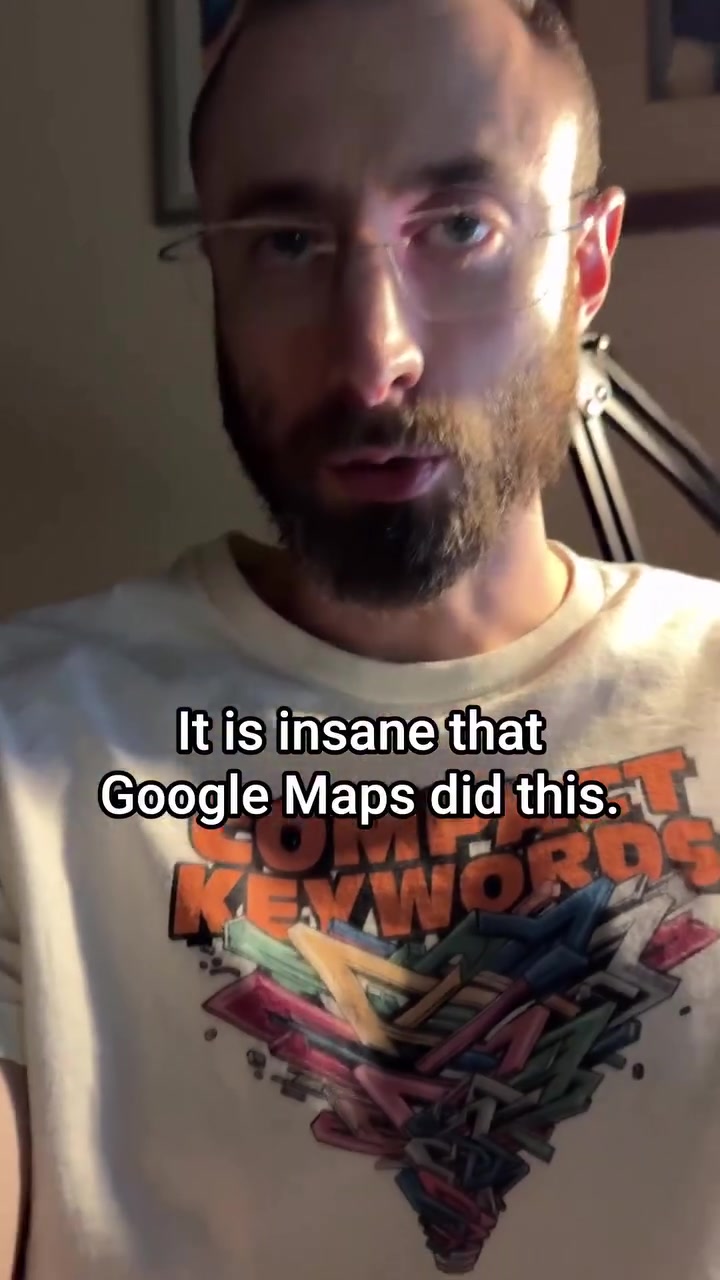
A woman was banned from reviewing restaurants in Europe on Google Maps after she left a one-star review. For her, the situation is especially personal, but many users have voiced similar complaints. The issue boils down to how Google Maps handles negative reviews, particularly in Europe and specifically under German law. Recent changes offer more transparency, but still leave much to be desired.
The Unchecked Power of Low Stars
Google Maps has had a longstanding issue with businesses challenging low star ratings by claiming reviewers never visited the premise. This prompts Google to delete the review preemptively. Users complain that it pumps up averages to four-plus stars, hiding the true duds. The situation has escalated, with some users like jmKettle being banned from reviewing businesses in Europe. Google Maps has responded by showing how many reviews have been removed due to complaints. They display messages like, "We received a complaint that your review is defamatory. Your review is removed for now. The German courts have set a low threshold for businesses to challenge reviews as defamatory." However, the threshold for what constitutes defamation appears to be disproportionately low. Google Maps removes reviews based on such complaints, even when the allegations are not so clear-cut. Even with increased transparency, users are still left in the dark. Google Maps still does not provide a clear explanation for why certain reviews are removed. As a result, the platform leans too far in the favor of businesses.
Why Europe's Online Speech is at Stake
Google Maps faces a unique challenge in Europe, especially in Germany. Defamation laws tend to lean in favor of the accused, i.e., businesses. The European Union's General Data Protection Regulation (GDPR) and Germany's NetzDG law have made it even easier for businesses to challenge negative reviews. GDPR and NetzDG require websites and social media services with 2 million or more users in Europe to remove illegal content within a certain time. In some cases, that's as short as 24 hours. The laws make it easier for businesses to claim that reviews are defamatory. That gives Google Maps a very low threshold for removing reviews, even when they have crossed no legal lines. Google Maps has this issue in America as well, where defamation laws are stricter. But the issue is exacerbated in Europe by strict censorship laws. As such, Europe serves as a bellwether for how Google Maps handles problematic reviews in America as well.
What Defamation Claims Look Like
When a review is removed due to a defamation complaint, Google Maps will show a new notification. This notification reads, “We received a complaint that your review is defamatory. Your review was removed for now because the courts have set a low threshold for businesses to challenge reviews as defamatory.” Google Maps is notifying users, but they still face a steep climb to regain their ability to post reviews. Defamation complaints are more prevalent in Germany, but they are not limited to the country. Users who have been banned from posting reviews in one area may be temporarily or permanently banned in other areas. If a review is removed due to a defamation complaint, users will see a different notification. That notification informs users that a complaint was filed, and the review was removed for now. However, users are not given any information on how to appeal the decision.
How Many Reviews Are Being Removed
If a review is removed due to a defamation complaint, Google Maps will show a notification stating, "Over 250 reviews removed due to defamation complaints." Users can see a visual breakdown of how many reviews were removed. Google Maps indicates how many reviews were removed due to defamation claims. However, they don't provide a clear explanation for why a certain review was removed. That makes it hard for users to know if their reviews are at risk of being removed. The situation could have been far worse in the past. By showing how many reviews were removed, Google Maps is at least providing a small level of transparency.
The Fight For Transparency
Google Maps now shows how many reviews were removed and the reason for their removal. That is a step in the right direction, but it may be too little, too late for some reviewers. However, the visibility given to defamation complaints shows that Google Maps is finally acknowledging that they have a problem to fix. Google Maps users are still left in the dark when it comes to why a review was removed. Google Maps may also still remove reviews that are not defamatory. The issue remains stubborn, but at least users can now see how many reviews are being removed.
The Lasting Impact on Google Maps
Every move Google Maps makes in Europe will have lasting effects on the platform. Even if they are careful, they will always be a step behind. This is a problem for users as well, since Google Maps is the largest mapping service in the world. The effects of this issue will be felt across the globe. Google Maps will always have this issue in Europe, but they can take steps to mitigate it. As Google Maps continues to update their transparency policies, users will demand more. That demand will grow as Google Maps continues to expand. The service will have to evolve to meet the growing needs of its users, especially in Europe.
Questions readers ask
What exactly is the controversy surrounding Google Maps review removal and how did it start?
The controversy involves a European user being banned from reviewing restaurants on Google Maps due to a critical review. This highlights Google Maps' handling of negative feedback, particularly under European laws, where businesses can easily challenge negative reviews as defamatory. The issue escalated with similar complaints from other users.
How does Google Maps handle defamation complaints from businesses?
When a business claims a review is defamatory, Google Maps removes the review. This is because defamation laws in Europe, particularly in Germany, have a low threshold for what constitutes defamation. Google Maps then shows a notification to the user about the complaint, but it doesn't provide a clear explanation for why the review was removed.
What are the specific laws in Europe that make it easier for businesses to challenge negative reviews?
The European Union's General Data Protection Regulation (GDPR) and Germany's NetzDG law require websites and social media services with 2 million or more users in Europe to remove illegal content within a certain time. This makes it easier for businesses to claim that reviews are defamatory, leading to a low threshold for review removal.
Can users appeal or fight back if their review is removed for defamation?
Google Maps does notify users when a review is removed due to a defamation complaint, but the process for appealing or fighting back is not clear. Users may face a steep climb to regain their ability to post reviews, and the ban can sometimes be temporary or permanent.
How does the situation in Europe compare to the U.S. in terms of defamation laws and review removal?
In the U.S., defamation laws are stricter, but Google Maps still faces challenges. The situation in Europe, particularly with Germany's strict censorship laws, serves as a bellwether for how Google Maps handles problematic reviews in America as well. The issue is more pronounced in Europe due to the lower threshold for what constitutes defamation.
What are the practical steps a user can take if their review is removed for defamation?
If a review is removed, users can try to contact Google Maps support for more information. However, the article does not provide a clear path for users to appeal or fight back against the removal. Users can check the notification for more details, but they may still face challenges in regaining their ability to post reviews.
Related deep dives
Similar reads based on topic and creator.



Recent articles
Fresh deep dives from the latest Reels we unpacked.




Comments
Be the first to comment.