New Life to Online Visual Searches
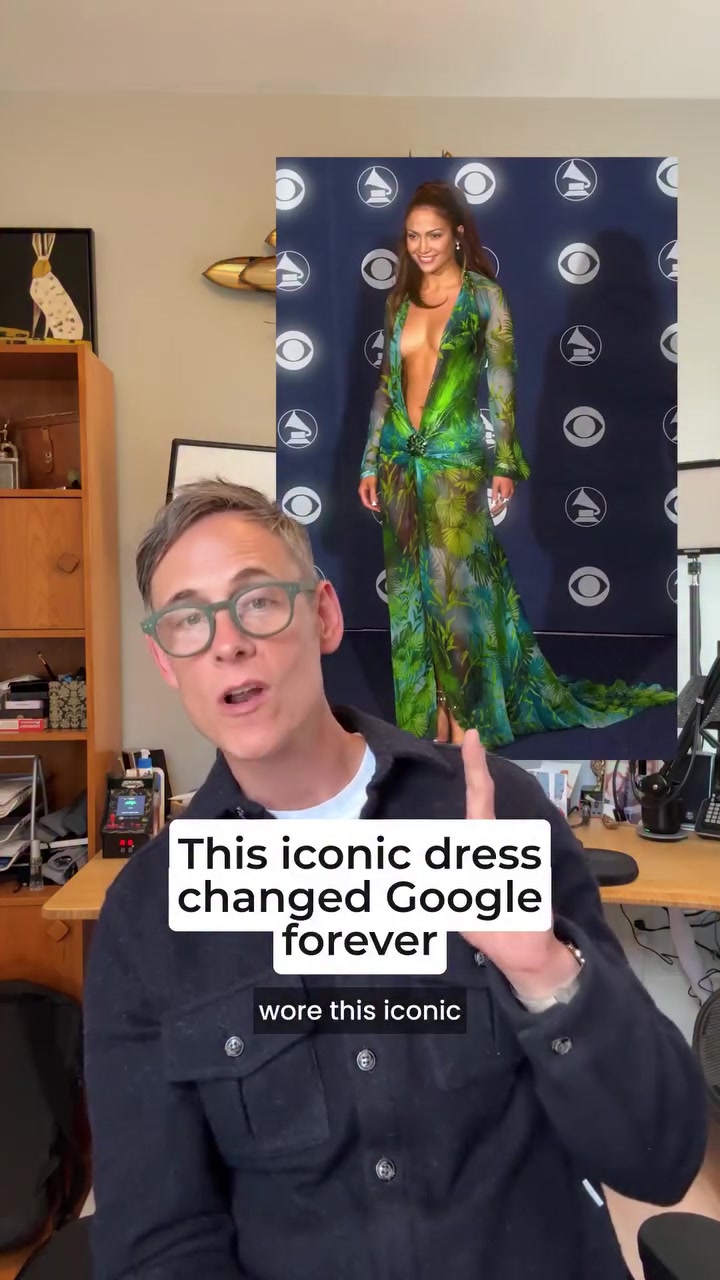
Twenty-five years ago, a single dress sparked an internet revolution. Jennifer Lopez's iconic green Versace gown worn at the 2000 Grammy Awards created such a frenzy online that people began massively searching for its photos. This demand was the direct inspiration behind launching Google Images. The era of visual search has now entered a new phase. Google Images is undergoing a substantial update, revamping the way users interact with and find images. Rolling out as a new “Pinterest-like” layout, the redesign showcases a feed tailored to the user’s interests, saved collections, and recent browsing activity. This update isn’t just a facelift; it's a shift — one that integrates artificial intelligence to its core. The redesign is more than a visual upgrade; it represents a strategic pivot in how visual content is generated and consumed online. Users will be able to leverage AI to create images if they can’t find what they’re looking for.
The shift to personalized visuals
The new Google Images isn’t just trying to keep up with trends; it's trying to set the trend. In recent years, there has been a marked shift in how people search for and consume visual content. Consumers now lean towards personalized, dynamic formats such as images and videos — Google Images is catering to that shift. With the rise of platforms like Instagram and Pinterest, the demand for visually oriented content has skyrocketed. Users are increasingly looking to visual feeds — allowing them to scroll, browse, and interact with content in a more engaging, intuitive way. The update is designed to mirror similar platforms and bring more users to the platform. While it does its own version of the Pinterest-style interface, it’s also trying to enhance how images show up in search results and how they are organized by users.
How Google Images' Tailored Feed Works
The tailoring of the feed is part of a broader trend of personalized content. The algorithm behind it evaluates the content a user has interacted with, saved, and searched for previously. Using this data, Google Images curates a personalized feed of images. This way, users can view content that aligns with their interests and needs. The AI image creation tool is an exciting addition too. It allows users to create an image if they can’t find it in the database. This is a leap in solving the problem of unavailability of content when searching for something. This feature can be useful in many scenarios — for example, when users want to visualize something specific but don’t have an exact image to search for. The user can describe the image they need, and AI will generate it.
Why Businesses Must Take Note
For businesses aiming to boost their online visibility, this update is significant. With the new personalized feeds, the algorithm will favor high-quality, context-rich photographs. This means that businesses must be more intentional about how they use images on their websites and social media profiles. Images must be high-quality, engaging, and provide clear context of what they are about. This will ensure that businesses appear more prominently in search results.
The Implications for SEO
Businesses should keep in mind that this update will have significant implications for SEO. The tailored feed and AI image generation tools imply SEO strategies will need to evolve. While SEO traditionally focused on text-based content, this development means an increased emphasis on visual content. This can be seen in the statement "For businesses who want to increase their online visibility, this means publishing high-quality photos on your website, Google Business profile, and social profiles with clear context explaining what the images are about." In essence, businesses that want to stay ahead of the curve will need to prioritize image optimization and make better use of visual search.
Getting Your Images Noticed
To capitalize on the Google Images update, businesses should consider the following steps:
- Publish high-quality images: Publishers should ensure that all the images on the website, Google Business profile, and social profiles are of high quality and visually appealing.
- More context around images: Add clear and informative captions and alt texts to images. This not only helps deaf or visually impaired users but also improves the image’s searchability by providing context. The update introduces new ways for businesses to engage with their online presence. Businesses getting ahead of this will likely flourish. By increasing their online visibility and engaging users with high-quality visuals, businesses will be well-positioned to leverage the changes brought on by the new Google Images update. Aligning business strategies with these updates will be crucial in maintaining a competitive edge. It might be a time of change, but it is also full of opportunities — and businesses should be ready to seize them.
Questions readers ask
How does the new Google Images layout differ from the previous design?
The new Google Images layout is inspired by Pinterest, featuring a feed that is tailored to the user’s interests, saved collections, and recent browsing activity. This is a shift from the traditional grid layout, offering a more dynamic and personalized browsing experience. Instead of seeing a static grid of images, users will now see a feed that adapts to their preferences and behaviors.
Can users create their own images with the new Google Images update?
Yes, one of the exciting new features is the AI image creation tool. If users can’t find the image they are looking for, they can describe what they need, and the AI will generate it. This is a significant addition, especially for users who need to visualize something specific but don’t have an exact image to search for.
How does the new Google Images update impact SEO for businesses?
The update favors high-quality, context-rich photographs. Businesses need to be more intentional about the images they use on their websites and social media profiles. Images should be engaging, high-quality, and provide clear context to ensure they appear in relevant searches and personalized feeds.
Is the new Google Images layout available to all users?
The update is rolling out gradually, so not all users may have access to the new layout immediately. Keep an eye out for the changes in the coming weeks, and if you don't see it yet, it should become available soon.
How does Google Images personalize the feed for each user?
Google Images uses an algorithm that evaluates the content a user has interacted with, saved, and searched for previously. Based on this data, it curates a personalized feed of images tailored to the user’s interests and needs. This ensures that users see content that is most relevant to them.
What are the benefits of the AI image creation tool in Google Images?
The AI image creation tool is beneficial for users who need to visualize something specific but can’t find an exact image. It allows users to describe what they need, and the AI will generate the image. This is particularly useful in scenarios where the content is not available in the existing database.
How does the new Google Images update compare to platforms like Instagram and Pinterest?
The new Google Images update mirrors the visually oriented, engaging, and intuitive browsing experience found on platforms like Instagram and Pinterest. It aims to enhance how images show up in search results and how they are organized by users, making the visual search experience more dynamic and personalized.
Related deep dives
Similar reads based on topic and creator.


Recent articles
Fresh deep dives from the latest Reels we unpacked.



Comments
Be the first to comment.