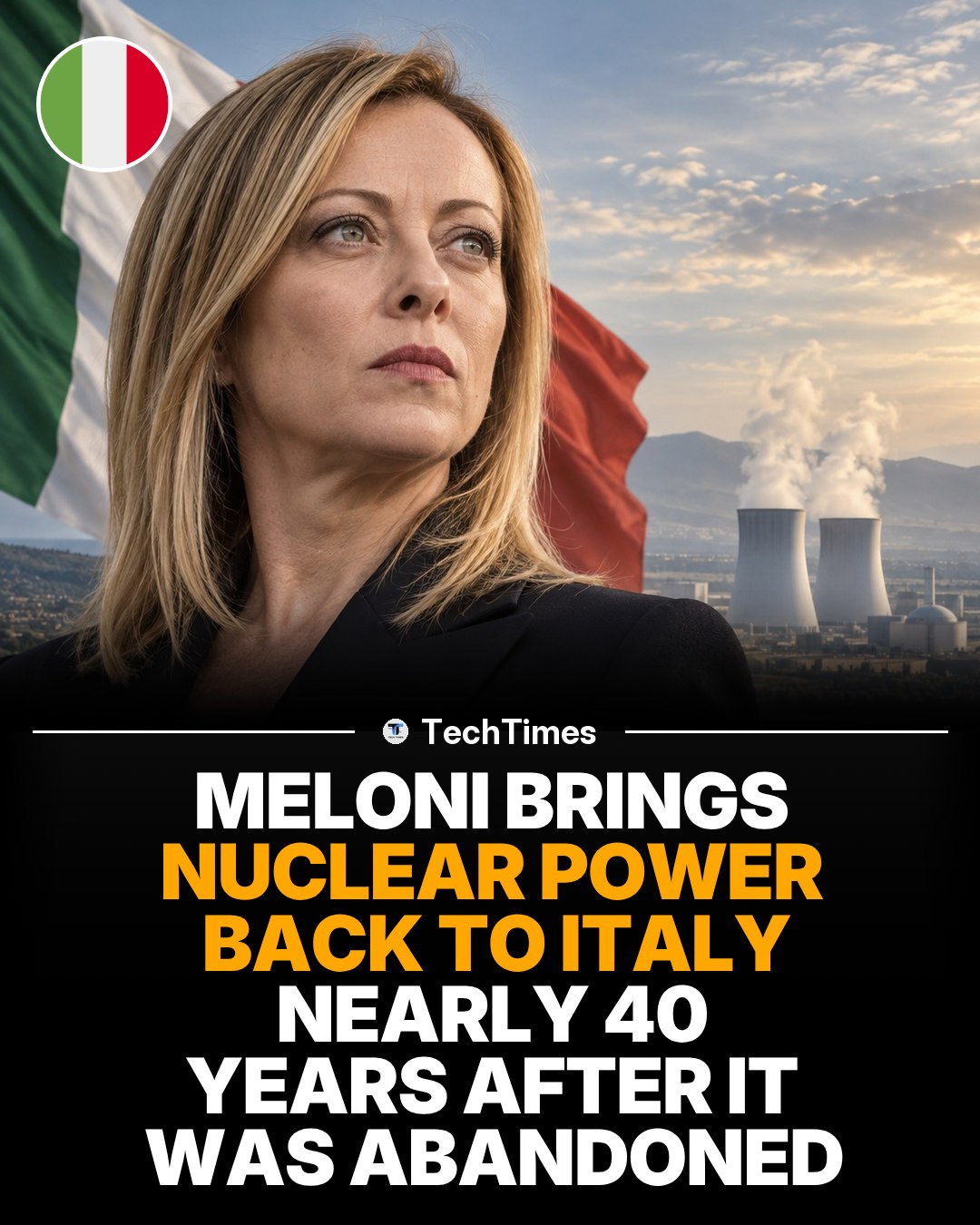
The Nuclear U-turn under Giorgia Meloni's Government
After nearly 40 years of bypassing nuclear energy, Italy is set to reverse its long-standing policy. Giorgia Meloni, Italy’s Prime Minister, has declared a return to nuclear power, a pivot that will ever reshape the country’s energy landscape. An aggressive move that does not shy away from political risk, this declaration reflects a seismic shift in Italy’s energy policy.
Nuclear Revival: fWhat it means for Italy
Italy's nuclear power journey began in the late 1950s with its first nuclear reactor. However, the path faced an unexpected halt after a national referendum in 1987 decided to abandon its nuclear ambitions. This referendum came in the wake of a disaster in Chernobyl, Ukraine, which left many Italians shaken and skeptical about nuclear safety. The upset of the Chernobyl disaster triggered a dark stain on the public's view of nuclear power, leading to its demise in Italy for decades. What makes this revival distinctive is Italy’s proclivity to remain a nuclear power-free zone for more than 30 years.
In a land of tidal politics, nuclear is a tidal shift
The declaration by Meloni reflects what her tenure could mean for the future of Italy’s energy policy. The revival of nuclear power in Italy suggests a bold move forward, aiding the country in achieving carbon neutrality by 2050. The dramatic change of trajectory comes after a national referendum in 1987 rejecting nuclear power. The revival makes significant impact by not only decreasing the country's carbon footprint but also positioning Italy as a leading player in the European nuclear energy sector. Developing nuclear energy plants not only increases national energy security but also aids in Italy’s transition into green energy. The renewed interest in nuclear energy in Italy comes at a critical juncture. Italy’s electricity supply is heavily reliant on imports, and the country is grappling with high energy prices. By investing in nuclear energy, Italy aims to reduce its reliance on imported energy and lower prices for consumers. This move also sees Italy aligning with other European countries that have embraced nuclear power as a key component of their energy transition.
Nuclear ambitions: Updating Italy’s Energy Grid
The complex task of rebuilding nuclear plants involves design, licensing, construction, testing, and commissioning. Designing a new nuclear plant demands adherence to stringent safety protocols. Securing a license to build a nuclear plant in Italy involves an extensive process of public consultation, environmental impact assessments, and safety reviews. The construction of nuclear plants is a time-consuming process needing highly-skilled labor. The task of recreating nuclear plants aligns with the carefully balanced design of nuclear plants which—coupled with proper safety checks—offers a result that's a mix of efficiency and reliability. Nuclear plants are designed for longevity, but special care and oversight are needed to keep these highly-regulated power plants operational.
Providing Energy with Low Emission
A significant advantage of nuclear power is its low impact on the environment. Nuclear reactors emit minimal carbon dioxide, keeping the atmosphere clean. As the push for sustainable energy grows, nuclear energy emerges as a promising option. The stability of nuclear power provides hope for the climate. Nuclear power is a diverse contributor to electricity generation. The rising demand for electricity coupled with the need to lower carbon footprints makes nuclear power a reliable and sustainable form of energy. Nuclear power is available around the clock with high efficiency, unlike renewable sources such as solar or wind, which depend on weather conditions. The ability to generate vast amounts of electricity makes nuclear power an attractive option for countries facing rising energy demands.
The European Nuclear Advisory Group and the Return to Nuclear
The Italian government is not alone in rethinking its approach to nuclear power. Other European Union Member States, such as France and the United Kingdom, have maintained or are considering nuclear power as part of their energy mix. The European Union has recognized the potential of nuclear energy in its efforts to achieve carbon neutrality by 2050 and is actively providing support to member states interested in developing nuclear power. Hence, to stay in line with the European Nuclear Advisory Group.
Energy Savings Disguised as Long-term Investment
Creating nuclear plants is expensive and requires meticulous planning. The cost of building nuclear facilities is high, not only due to the complex design and construction but also because of stringent safety measures. The construction of nuclear plants might take over a decade, with a significant initial investment. However, the cost of fuel used in nuclear plants is relatively low, and the plants can run for long periods without any maintenance. It is a long-term investment offering energy at a reasonable price.
The Risks of Revival
Despite its advantages, the revival of nuclear power in Italy also comes with significant challenges. Nuclear power has always been a source of controversy and debate for its high risk and the safety of nuclear waste disposal. Safety precautions far exceed any other form of energy. Stringent safety measures must be followed to avoid the possibility of nuclear accidents or leaks. Nuclear waste must be safely contained and stored for thousands of years, posing a significant environmental challenge.
Enduring the storms to achieve power efficiency
The revival of nuclear power in Italy under Giorgia Meloni marks a significant shift in the country’s energy policy. This declaration will lead to a big change, not only in the green energy sector but also in Italy’s long-standing policy on nuclear energy. By investing in nuclear power, Italy aims to reduce its reliance on imported energy, lower prices for consumers, and position itself as a leader in the European nuclear energy sector. The revival of nuclear power in Italy presents a significant opportunity to achieve carbon neutrality and secure the country's energy future.
Questions readers ask
What prompted Italy to abandon nuclear power in the first place?
Italy's decision to abandon nuclear power was largely influenced by the Chernobyl disaster in 1987. The public's fear of nuclear accidents led to a national referendum that overwhelmingly voted against nuclear energy, effectively halting Italy's nuclear power program for decades.
How does Giorgia Meloni's plan to revive nuclear energy align with Italy's environmental goals?
Meloni's plan to revive nuclear energy is closely tied to Italy's goal of achieving carbon neutrality by 2050. Nuclear power, being a low-emission energy source, can significantly reduce Italy's carbon footprint and help the country transition to a more sustainable energy mix.
What are the key steps involved in rebuilding nuclear plants in Italy?
Rebuilding nuclear plants in Italy involves several key steps, including design, licensing, construction, testing, and commissioning. Each step is highly regulated, requiring adherence to stringent safety protocols, extensive public consultation, environmental impact assessments, and safety reviews.
How will nuclear power impact Italy's energy security and prices?
By investing in nuclear power, Italy aims to reduce its reliance on imported energy, which currently makes up a significant portion of its electricity supply. This shift can help lower energy prices for consumers and enhance the country's energy security by providing a stable, domestic energy source.
What makes Italy's nuclear revival distinctive compared to other countries?
Italy's nuclear revival is distinctive because the country has been nuclear power-free for over 30 years, making this a significant policy shift. Additionally, Italy's decision to embrace nuclear power aligns it more closely with other European countries that have already integrated nuclear energy into their energy mixes, positioning Italy as a leading player in the European nuclear energy sector.
What are the challenges associated with constructing nuclear plants in Italy?
Constructing nuclear plants in Italy is a complex and time-consuming process. It requires highly-skilled labor, extensive public consultation, and stringent safety reviews. Additionally, the construction process must adhere to rigorous safety protocols and environmental impact assessments, making it a lengthy and meticulous endeavor.
Recent articles
Fresh deep dives from the latest Reels we unpacked.



Comments
Be the first to comment.