Eco-Dwellings: Transforming Shipping Containers into Sustainable Housing in Germany
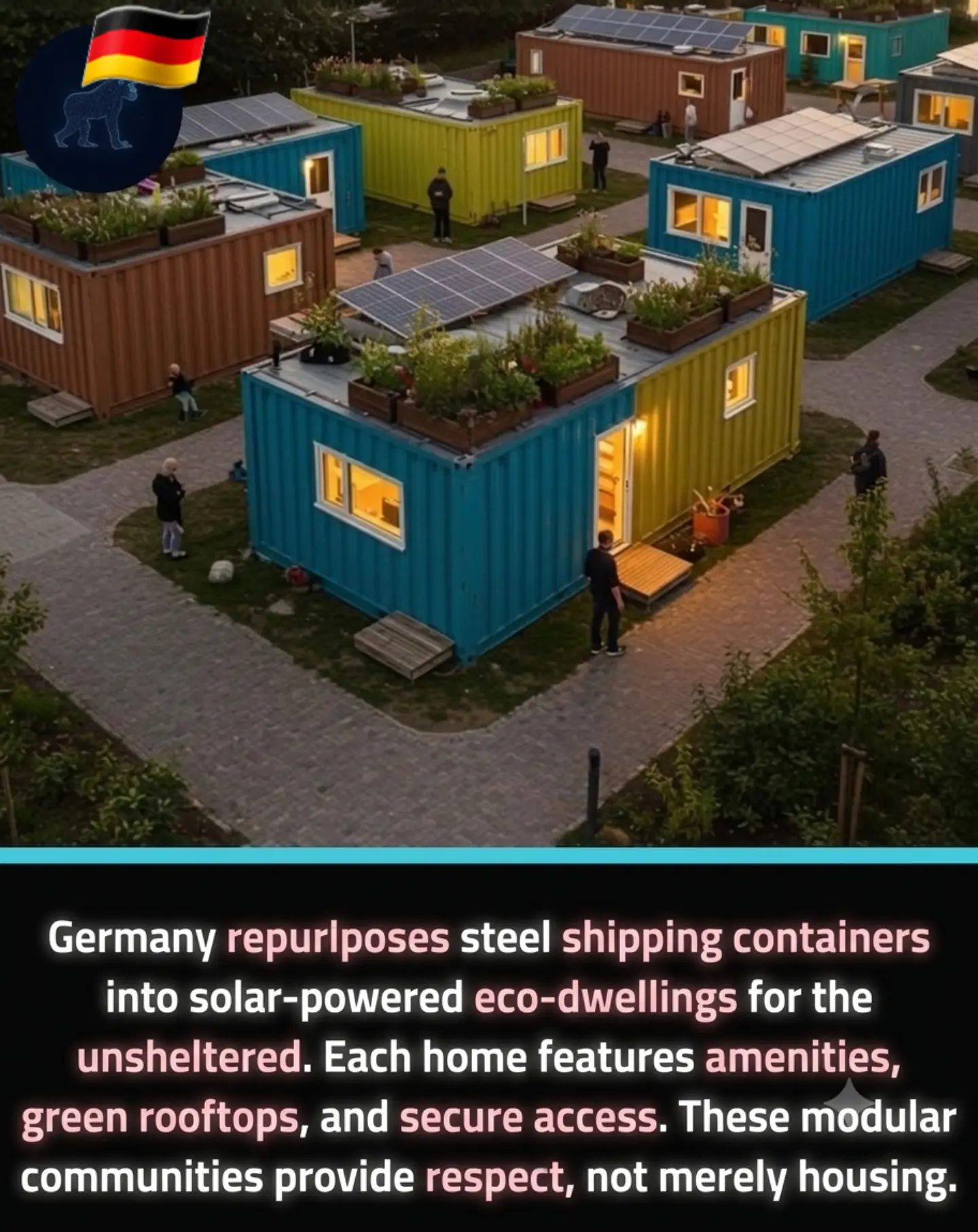
Eco-dwellings constructed from repurposed shipping containers are emerging as a innovative solution for sustainable and respectable housing for the unsheltered in Germany. These modular homes are not only environmentally friendly but also offer a secure and dignified living space for those in need.
Why Modular Eco-Dwellings Matter
The global push for sustainable living has led to creative solutions in architecture and housing. In Germany, the repurposing of steel shipping containers into eco-dwellings stands out as a practical and effective approach to addressing homelessness while minimizing environmental impact. This initiative not only provides shelter but also fosters a sense of community and respect for its residents.
The Modular Design and Sustainable Features
Repurposed Shipping Containers
Shipping containers are an excellent choice for eco-dwellings due to their durability and abundance. By repurposing these containers, the project reduces waste and gives a new life to materials that would otherwise go to waste. The modular design allows for easy assembly and disassembly, making it a flexible option for various locations and needs.
Solar Power and Green Rooftops
Each eco-dwelling is equipped with solar panels, providing a sustainable source of energy. This not only reduces the carbon footprint but also lowers energy costs for the residents. The green rooftops further enhance the eco-friendly aspect by promoting biodiversity and improving insulation, keeping the interiors cool in summer and warm in winter.
Amenities and Secure Access
The design of these eco-dwellings includes essential amenities such as electricity, plumbing, and heating. The secure access points ensure the safety and privacy of the residents. This attention to detail reflects a commitment to providing not just housing, but a dignified living environment.
Community and Respect
The community aspect of these eco-dwellings is crucial. By creating a modular community, the project fosters a sense of belonging and support among the residents. Each dwelling is thoughtfully designed to provide respectful and sustainable housing, ensuring that the residents have access to the basic necessities and a supportive community.
Practical Tips for Creating Eco-Dwellings
Choosing the Right Materials
When planning to create eco-dwellings, it's essential to choose materials that are both durable and eco-friendly. Repurposed shipping containers are an excellent starting point, but consider other sustainable materials like recycled wood, metal, and glass for additional construction.
Energy Efficiency
Incorporate renewable energy sources such as solar panels to power the dwellings. Additionally, ensure that the insulation is adequate to maintain comfortable temperatures year-round, reducing the need for excessive heating or cooling.
Community Engagement
Engage the local community in the planning and construction phases. Community involvement can help ensure that the dwellings meet the specific needs of the residents and promote a sense of ownership and responsibility.
Accessibility and Security
Design the dwellings with accessibility and security in mind. Secure access points and amenities like ramps and handrails can make the living space more comfortable and safe for all residents.
Important Takeaways
Eco-dwellings constructed from repurposed shipping containers offer a sustainable and respectful housing solution. These dwellings not only address the immediate need for shelter but also contribute to a more sustainable future by reducing waste and promoting renewable energy.
Conclusion
The initiative to repurpose shipping containers into eco-dwellings in Germany is a commendable step towards sustainable housing. By focusing on modular design, solar power, green rooftops, and community engagement, these dwellings provide respectful and dignified living spaces for the unsheltered. This model can serve as an inspiration for similar projects around the world, demonstrating that sustainable living and community support can go hand in hand.
Questions readers ask
How are shipping containers transformed into eco-friendly homes in Germany?
Shipping containers are repurposed by cutting openings for doors, windows, and ventilation, and then installing insulation, plumbing, and electrical systems. Solar panels and green rooftops are added to make them energy-efficient and environmentally friendly.
What are the benefits of using shipping containers for sustainable housing?
Using shipping containers for housing reduces waste by repurposing existing materials, decreases construction time and costs, and minimizes the environmental impact of new housing developments. Additionally, these homes offer secure and dignified living spaces.
How do solar power and green rooftops contribute to the sustainability of these homes?
Solar power generates renewable energy, reducing reliance on fossil fuels and lowering energy costs. Green rooftops provide natural insulation, absorb rainwater, and support local biodiversity, further enhancing the eco-friendliness of the homes.
What is the role of community in Germany's modular eco-homes initiative?
These eco-dwellings are designed to foster a sense of community among residents. Shared spaces and communal areas encourage social interaction, support, and a sense of belonging, which are crucial for the well-being of individuals experiencing homelessness.
Are these modular eco-homes affordable for those in need?
Yes, these homes are designed to be cost-effective. By repurposing shipping containers and using efficient construction methods, the overall cost is reduced, making it more feasible to provide affordable housing solutions for the unsheltered.
How do these eco-dwellings address the issue of homelessness in Germany?
By providing secure, dignified, and community-focused living spaces, these eco-dwellings offer a practical solution to homelessness. They not only provide shelter but also support the transition to more stable living situations, reducing the overall homelessness rate.
What are the environmental benefits of Germany's modular eco-homes?
These eco-dwellings minimize waste by repurposing shipping containers and reduce the carbon footprint through the use of solar power and green rooftops. They promote sustainable living by encouraging energy efficiency and reducing reliance on conventional energy sources.
Related deep dives
Similar reads based on topic and creator.



Recent articles
Fresh deep dives from the latest Reels we unpacked.




Comments
Be the first to comment.