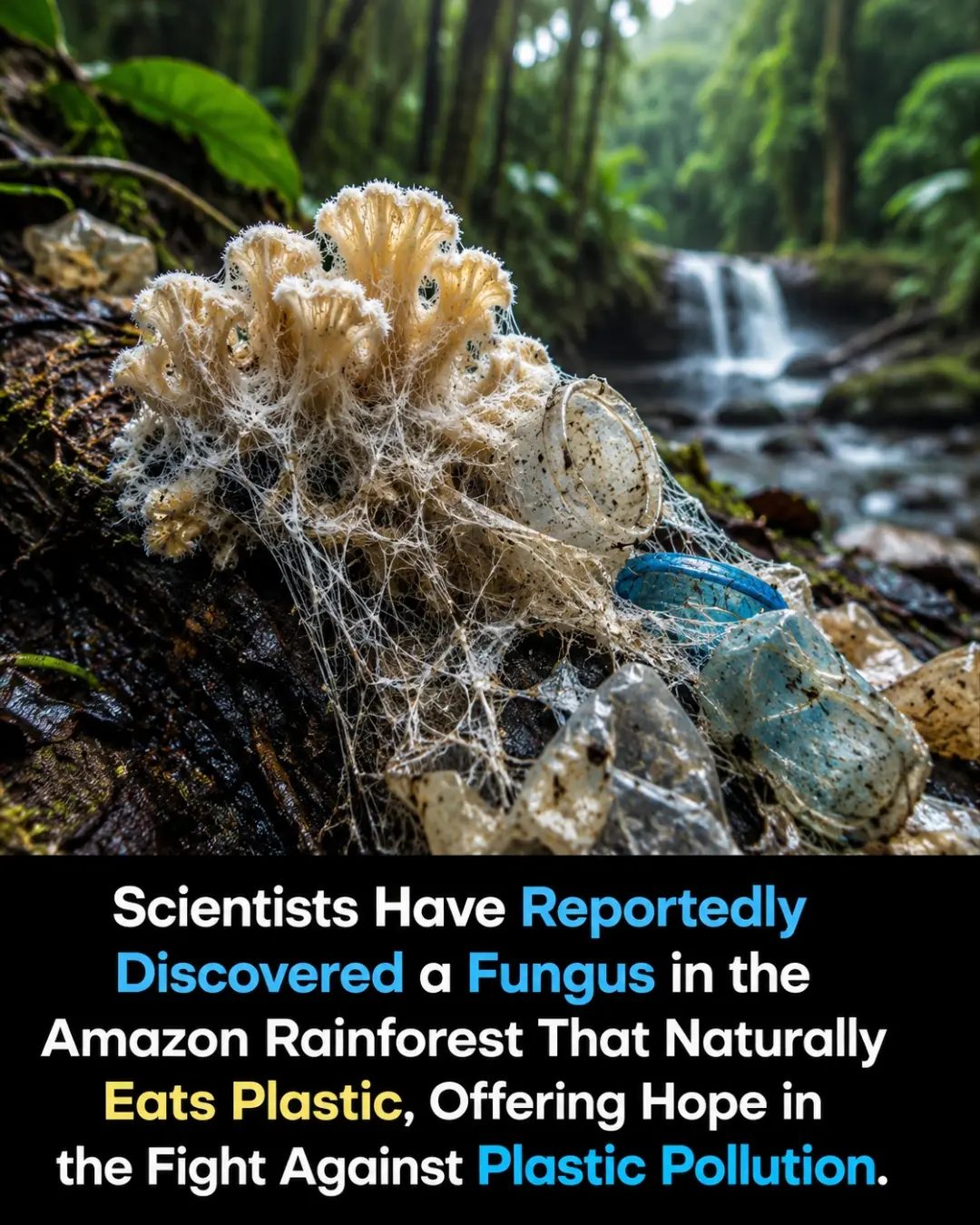
Plastic-Eating Fungus in the Amazon
A remarkable discovery has been made in the Amazon rainforest: a fungus with the extraordinary ability to naturally consume plastic. This fungus, found growing on logs and around plastic debris, offers a glimmer of hope in the global fight against plastic pollution.
Why This Matters
Plastic pollution is a pervasive and growing environmental issue. Every year, millions of tons of plastic waste end up in landfills and natural environments, causing significant harm to ecosystems and wildlife. Traditional methods of plastic waste management, such as recycling and incineration, have proven insufficient to tackle the scale of the problem. The discovery of a fungus that can break down plastic presents a novel and potentially powerful solution to this environmental challenge.
The Discovery and Its Implications
The Amazon Rainforest: A Hotspot for Biodiversity
The Amazon rainforest is one of the most biodiverse regions on Earth, home to countless plant and animal species, many of which are still undiscovered. This rich biodiversity makes the Amazon a hotspot for scientific research, particularly in the fields of ecology and conservation. The discovery of the plastic-eating fungus adds another layer to the Amazon's already significant role in environmental science.
The Fungus: A Natural Solution to Plastic Pollution
Fungi are known for their ability to decompose organic matter, but the recent discovery of a fungus that can naturally consume plastic is unprecedented. This fungus, found in the Amazon, exhibits a unique capability to break down plastic waste, potentially offering a sustainable and eco-friendly solution to one of the world's most pressing environmental challenges.
How Does It Work?
The exact mechanism by which the fungus breaks down plastic is still under investigation. However, preliminary research suggests that the fungus secretes enzymes that can degrade the polymer chains in plastic. Unlike traditional methods of plastic waste management, which often involve energy-intensive processes and harm the environment, the fungus's method is completely natural and sustainable.
Practical Tips for Applying This Discovery
While the discovery of the plastic-eating fungus is promising, it is still in the early stages of research. However, here are some practical tips for how this discovery could be applied in the future:
Encouraging Further Research
Supporting scientific research in biodiversity hotspots like the Amazon is crucial. By funding and encouraging further research into the plastic-eating fungus and similar discoveries, we can better understand and harness their potential.
Promoting Sustainable Practices
In the meantime, adopting sustainable practices can help reduce plastic waste and minimize the environmental impact. This includes reducing plastic consumption, recycling, and promoting the use of biodegradable materials.
Collaboration and Innovation
Collaboration between scientists, policymakers, and industry leaders is essential for turning this discovery into a practical solution. Encouraging innovation in waste management and recycling technologies can help scale up the use of the fungus and similar natural solutions.
Important Takeaways
The discovery of a plastic-eating fungus in the Amazon rainforest offers a promising avenue for tackling plastic pollution. This fungus, which naturally consumes plastic, presents a sustainable and eco-friendly solution to the global waste crisis. By supporting further research and adopting sustainable practices, we can harness the potential of this discovery and make significant strides in the fight against plastic pollution.
Conclusion
The discovery of a fungus that naturally eats plastic in the Amazon rainforest is a groundbreaking development in the fight against plastic pollution. This fungus, growing on and around plastic debris, offers a natural and sustainable solution to one of the world's most pressing environmental challenges. By encouraging further research, promoting sustainable practices, and fostering collaboration and innovation, we can unlock the full potential of this discovery and take significant steps toward a cleaner, greener world.
Questions readers ask
How does the fungus in the Amazon consume plastic?
The fungus in the Amazon rainforest has the unique ability to break down plastic through a biological process. This process involves the fungus secreting certain enzymes that degrade the plastic materials, effectively consuming them. This natural process was discovered while the fungus was observed growing on logs and in close proximity to plastic debris.
Why is this discovery important for plastic pollution?
This discovery is significant because it offers a new approach to tackling the global issue of plastic pollution. Traditional methods like recycling and incineration have been insufficient. The fungus provides a natural and potentially more effective way to decompose plastic, which could be a key step in managing the overwhelming amounts of plastic waste that end up in landfills and natural environments.
Where was the plastic-eating fungus found?
The plastic-eating fungus was found in the Amazon rainforest. This discovery highlights the richness of the region's biodiversity and its potential to offer solutions to environmental challenges. The fungus was observed growing on logs and around plastic debris, indicating its ability to thrive in environments contaminated with plastic waste.
What are the potential applications of this discovery?
The discovery of a fungus that naturally consumes plastic opens up several potential applications. Researchers could study the fungus to identify the specific enzymes it uses to break down plastic. This knowledge could be used to develop biological agents for plastic waste management. Additionally, the fungus could be cultivated and introduced to controlled environments to help in the biodegradation of plastic waste, offering a more sustainable and eco-friendly solution.
How does the fungus compare to other methods of plastic waste management?
Unlike traditional methods such as recycling and incineration, the plastic-eating fungus offers a biological solution that leverages nature's own processes. While recycling can be limited by the types of plastic it can handle and incineration can release harmful emissions, the fungus provides a more sustainable approach. It naturally breaks down plastic without producing harmful byproducts, making it a promising avenue for future research and application.
Are there other fungi with similar capabilities?
While the Amazon fungus is one of the notable discoveries, there are other fungi and microorganisms known to have similar plastic-degrading capabilities. For example, some species of bacteria and fungi found in various environments have shown the ability to consume or degrade certain types of plastics. However, the Amazon fungus stands out due to its unique habitat and the potential it holds for plastic waste management.
What are the next steps in researching this discovery?
The next steps involve further studying the specific mechanisms by which the fungus breaks down plastic. Researchers will likely focus on identifying the enzymes involved in the degradation process and understanding how the fungus can be effectively utilized in waste management strategies. Additionally, efforts will be made to cultivate the fungus on a larger scale and explore its applications in different environments, such as landfills and contaminated natural habitats.
Related deep dives
Similar reads based on topic and creator.
Recent articles
Fresh deep dives from the latest Reels we unpacked.


Comments
Be the first to comment.