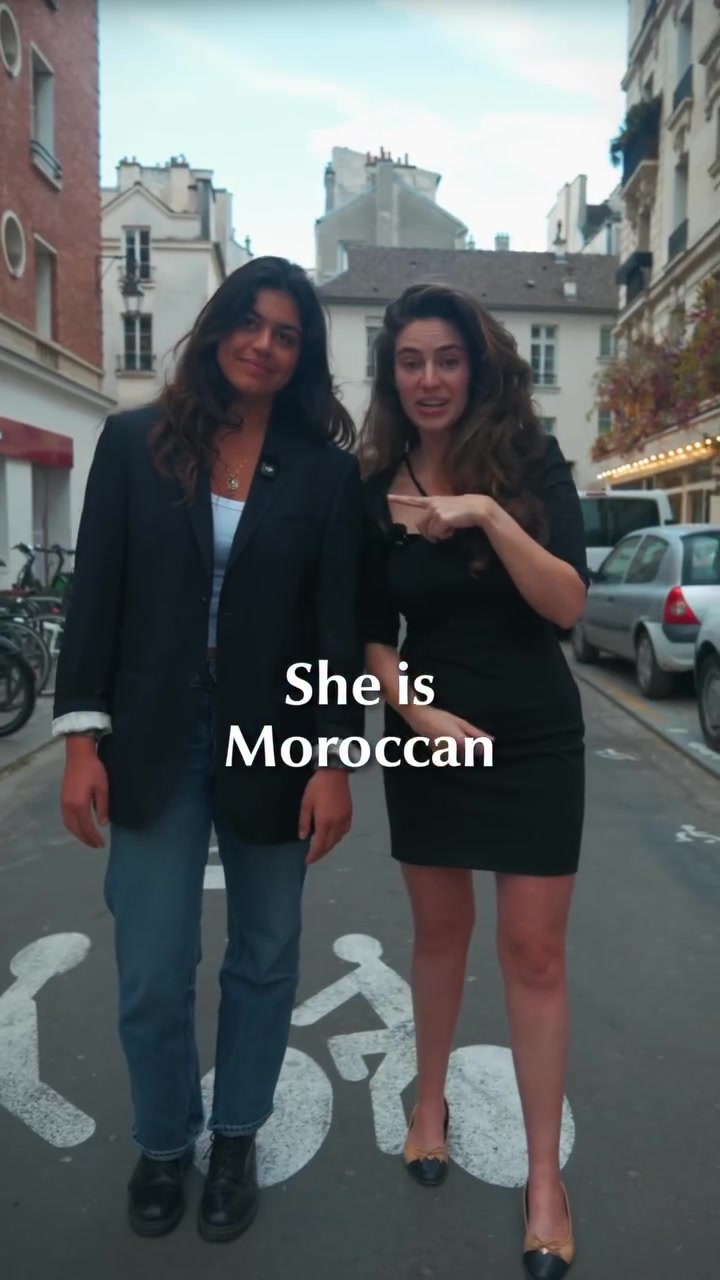
80,000 Jews were killed in concentration camps in France during World War II, shattering not just bodies but also identities. After the war, many survivors either hid or left behind their Jewish identity, sometimes changing their family names and trying to forget. Others struggled with Judaism becoming "only synonym of loss, suffering, mourning," as one person put it. However, something unprecedented happened a few years later. "Millions of Jews were kicked out of their countries in the Middle East and North Africa. And many of the Jews from Morocco, Tunisia and Algeria came to France,". This influx dramatically reshaped the face and soul of Jewish life in France. It is almost a a paradox but it has become a cultural identity changing overnight relationship.
Who are French Jews today?
Eight decades have passed since World War II, and the identity of French Jews has transformed almost unrecognizably in less than a single generation. Today, about four in five French Jews — 80% — trace their heritage to North Africa, primarily from Morocco, Tunisia, and Algeria. This shift is a stark contrast to the pre-World War II era, when the majority of French Jews had Ashkenazi roots, hailing from Central and Eastern Europe. The post-World War II influx of Sephardic and Mizrahi Jews from North Africa introduced a vibrant culture, rich traditions, and new energy into French Judaism. These communities brought with them unique rituals, culinary traditions, and a strong sense of community. "One community was almost destroyed and somehow they became each other's future." said one woman. Moroccan Jews, for instance, have contributed significantly to French Jewish life, bringing traditions such as the celebration of Mimouna, a post-Passover festival marked by feasts and family gatherings. Tunisian Jews have enriched French Jewish culture with their distinct Sephardic customs and culinary delights like couscous and harissa. Algerian Jews, meanwhile, have added their own flavors to the French Jewish tapestry. Their contributions range from religious practices to cultural festivals, all of which have woven a new cultural identity of French Jews.
The complex tapestry of French Jewish identity
The post-World War II period marked a pivotal moment in the history of French Jewry. The influx of Jews from North Africa and the Middle East altered the demographic landscape and cultural fabric of French Judaism. The arrival of these communities brought a sense of vitality and renewal to a Jewish population that had been decimated by the Holocaust. However, the integration was not without challenges. The newcomers had to navigate a complex web of cultural differences and social attitudes. Many had to adapt to a new language, customs, and societal expectations. Despite these hurdles, the new French Jews have made significant contributions to French society. They have excelled in various fields, including academia, business, arts, and politics. Their presence has enriched the cultural mosaic of France, adding layers of diversity and dynamism. Moreover, their resilience and courage in the face of adversity have become an inspiration for many. The story of French Jews is a testament to the power of resilience, adaptation, and the enduring spirit of community. Yet, the French Jewish community remains a complex tapestry of diverse identities, each one contributing to a broader narrative of cultural identity. Today, Jewish identity in France encompasses a blend of Sephardic and Mizrahi traditions infusing Ashkenazi foundations—a vibrant mosaic that speaks to the enduring resilience of the Jewish people.
The North African Jewish influx: a hidden history
In many ways, the story of French Jews exemplifies the broader narrative of Jewish history. This is a story of loss, survival, and renewal. And yet, the influx of Jews from North Africa remains relatively unknown. Their voices have often been overshadowed by the more dominant narrative of European Jewry. The impact of the North African Jews in France particularly should be celebrated or at the very least recognized—more widely. Over time, the contributions of these communities have been integrated into the broader French Jewish identity. Today, the richness of French Jewish culture is a testament to the enduring spirit of these communities. Their resilience and determination have not only shaped French Judaism but also enriched the cultural landscape of France. Their traumatic departure from North Africa and the Middle East has left an indelible mark on the French Jewish identity.
What the influx brought to the table
A vibrant new culture
The influx of North African Jews introduced new traditions, customs, and rituals that have significantly enriched French Jewish culture. These communities brought with them a rich cultural heritage, including vibrant festivals, unique culinary traditions, and distinctive religious practices. Their contributions have added depth and diversity to the French Jewish tapestry, making it a more dynamic and inclusive community.
New life and traditions
The influx of North African Jews brought a sense of new beginnings, rejoining a community that had been torn apart. The idea of "new life and new energy" was more than just a phrase; it was a lived experience for many. This period of renewal reconnected the traditions and practices left behind, creating a new vibrant sense of identity, belonging, and purpose. Today, French Jews celebrate a blend of traditions—from Sephardic to Ashkenazi—that reflect a rich cultural tapestry. They continue to nurture and preserve their heritage, ensuring the continuity of Jewish life in France.
Tanusia, the connection to the French Jewish identity
Today, we can look back and analyse how Jews from North Africa whom came to France in the mid of 1900s played a role in the identity of French Jews today. Following World War II, the Jewish population of France underwent a profound transformation. The influx of Jews from North Africa, particularly from Morocco, Tunisia, and Algeria, brought new life, energy, and traditions to French Judaism. Known as "Tanusim," these Jews have significantly shaped the cultural and religious landscape of French Jewry. Their vibrant traditions, rich cultural heritage, and strong community bonds have enriched French Jewish life, creating a unique blend of Sephardic and Mizrahi influences within the broader French Jewish identity. "To me it means many things: joy, rich culture, happiness and food." The legacy of Tanusia in France is a testament to the resilience, adaptability, and enduring spirit of the Jewish people. Today, French Jews celebrate a diverse tapestry of traditions reflecting both Ashkenazi and Sephardic influences, showcasing the significant contributions of Tanusim to what is now known as French Jewry.
Bridging the past with the present
Learning about the stories of French Jews and their roots in North Africa can be deeply enriching. One powerful way to delve into this history is by engaging with the community itself. Visiting local synagogues to join in celebrations like Mimouna or other traditional festivals can provide a profound understanding of the cultural richness and resilience of these communities. Additionally, exploring museums and cultural centers that showcase the history and contributions of North African Jews can offer further insights and appreciation. Local food fairs and cultural events that feature North African Jewish cuisine are also excellent opportunities to bridge the past with the present.
- Visit Synagogues: Engage with the community by attending services or festivals.
- Explore Museums: Learn about the history and contributions of North African Jews.
- Attend Food Fairs: Experience the unique culinary traditions. Understanding the intricate tapestry of French Jewish identity underscores a profound truth: cultures are not static but evolve and adapt, often blending elements from diverse sources. The experience of French Jews, shaped by the influx of North African immigrants, illustrates how traditions and identities can be reborn and redefined, weaving a rich and resilient cultural fabric.
The story never stops
The story of French Jews is not just one of past resilience but also of a continuing narrative. It is a story of Jews who were forced to hide their faith and identity. Of Jews who courageously stood up and declared they would continue to live their religion. The story of Jewish people who were persecuted and forced to migrate from their homelands, even after the Holocaust. The story of French Jews is a testament to the enduring spirit of a community that has faced adversity with unyielding resolve. It serves as a reminder that, despite the challenges, the legacy of French Jewry remains vibrant and resilient.
Questions readers ask
What sparked the dramatic shift in French Jewish identity after World War II?
The shift was primarily driven by the influx of Jews from North Africa and the Middle East, particularly from Morocco, Tunisia, and Algeria. These communities were displaced from their home countries and sought refuge in France, bringing with them unique cultural traditions and practices that significantly altered the demographic and cultural landscape of French Judaism.
How did the Holocaust impact the identity of French Jews who survived it?
The Holocaust left deep scars on French Jews, who often hid or distanced themselves from their Jewish identity. Many survivors changed their names and tried to forget their past, as Judaism became associated with loss and suffering. This period was marked by a profound sense of loss and a struggle to reconnect with Jewish traditions and identity.
What unique traditions did North African Jews bring to France?
North African Jews introduced a variety of vibrant traditions to French Judaism, including the Mimouna festival celebrated by Moroccan Jews, which involves feasts and family gatherings. Tunisian Jews contributed Sephardic customs and culinary delights like couscous and harissa, while Algerian Jews added their own religious practices and cultural festivals, enriching the overall tapestry of French Jewish life.
How did French society adapt to the influx of North African Jews?
The integration of North African Jews into French society was challenging, as they had to navigate cultural differences and adapt to a new language and customs. Despite these hurdles, they made significant contributions to various fields, including academia, business, arts, and politics, enriching the cultural mosaic of France. Their resilience and courage have become an inspiration for many.
How has the new French Jewish identity influenced the Jewish community in France?
The new French Jewish identity has brought a sense of vitality and renewal to a community that was decimated by the Holocaust. North African Jews brought vibrant traditions and a strong sense of community, contributing to a rich tapestry of French Judaism. This influx has created a unique cultural identity that blends Ashkenazi and Sephardic/Mizrahi influences, adding layers of diversity and dynamism to French Jewish life.
Recent articles
Fresh deep dives from the latest Reels we unpacked.



Comments
Be the first to comment.