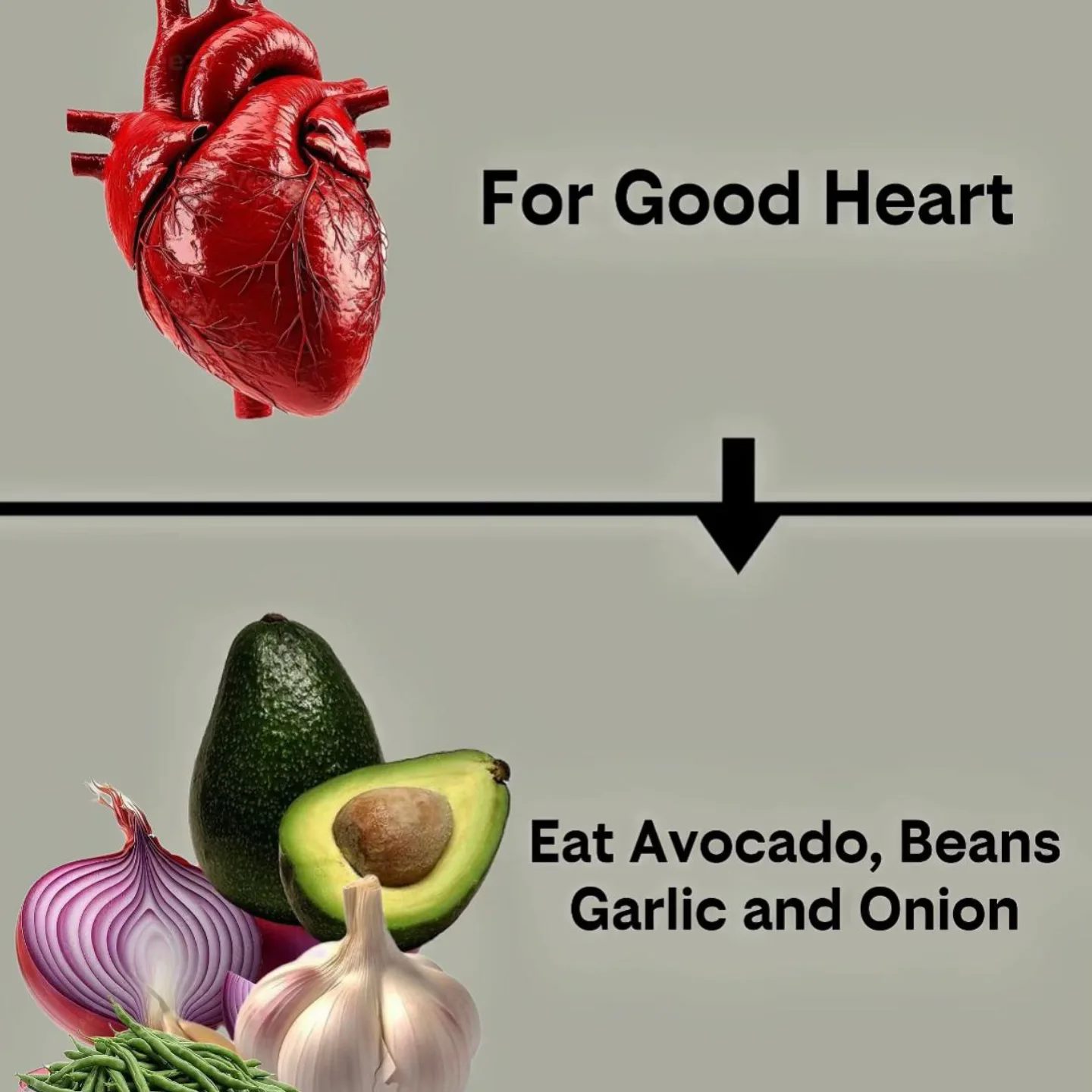
Heart Health Foods
Maintaining a healthy heart is crucial for overall well-being. A balanced diet plays a significant role in supporting heart health, and incorporating specific foods into your meals can make a notable difference. Avocado, beans, garlic, and onion are among the foods highlighted for their beneficial effects on heart health.
Why This Matters
Heart disease remains a leading cause of death globally, emphasizing the importance of preventive measures. Diet is a primary factor in heart health, and certain foods can help reduce the risk of cardiovascular issues. By understanding the benefits of avocados, beans, garlic, and onions, you can make informed choices that support a healthier heart.
The Benefits of Avocado
Avocados are often celebrated for their heart-healthy properties. They are rich in monounsaturated fats, which can help lower bad cholesterol levels and reduce the risk of heart disease. Additionally, avocados contain fiber, potassium, and antioxidants, all of which contribute to cardiovascular health. The healthy fats in avocados can also help improve the absorption of other nutrients, making them a valuable addition to a balanced diet.
The Power of Beans
Beans are a staple in many diets around the world, and for good reason. They are packed with soluble fiber, which can help lower cholesterol levels and improve overall heart health. Beans are also a great source of plant-based protein, making them an excellent choice for vegetarians and vegans. The combination of fiber and protein in beans can help regulate blood sugar levels and promote feelings of fullness, aiding in weight management.
Garlic's Heart-Boosting Properties
Garlic has long been recognized for its health benefits, including its positive impact on heart health. It contains compounds like allicin, which have been shown to help lower blood pressure and reduce the risk of heart disease. Regular consumption of garlic can also help prevent the formation of blood clots, further supporting cardiovascular health. Adding garlic to your meals not only enhances flavor but also provides significant health benefits.
The Benefits of Onions
Onions are another versatile ingredient that offers numerous health benefits. They contain antioxidants and compounds like quercetin, which have anti-inflammatory properties. Onions can help reduce cholesterol levels and improve blood vessel function, contributing to overall heart health. The sulfur compounds in onions also have antibacterial and antiviral properties, supporting a healthy immune system.
Practical Tips for Incorporating These Foods
Here are some practical tips to help you incorporate avocados, beans, garlic, and onions into your daily meals:
- Avocado: Add sliced avocado to your salads, sandwiches, or smoothies. You can also use it as a healthier alternative to butter or mayonnaise in various recipes.
- Beans: Include beans in soups, stews, and salads. You can also make bean-based dips like hummus or use them as a protein source in burritos and wraps.
- Garlic: Garlic is a versatile ingredient that can be added to a variety of dishes, from pasta to stir-fries. Try roasting garlic for a milder flavor or using it in marinades and sauces.
- Onions: Use onions as a base for many recipes, including soups, stews, and sautés. You can also enjoy them raw in salads or as a topping for sandwiches and burgers.
Important Takeaways
- Avocado: Rich in heart-healthy fats and fiber, avocados can help lower cholesterol levels and improve nutrient absorption.
- Beans: Packed with soluble fiber and plant-based protein, beans support heart health and aid in weight management.
- Garlic: Contains compounds that help lower blood pressure, reduce the risk of heart disease, and prevent blood clots.
- Onions: Offer antioxidants and anti-inflammatory properties, helping to reduce cholesterol levels and improve blood vessel function.
Conclusion
Incorporating avocado, beans, garlic, and onion into your diet can significantly support heart health. These foods offer a range of beneficial properties, from lowering cholesterol levels to reducing inflammation and improving blood vessel function. By making these heart-healthy foods a regular part of your meals, you can take proactive steps towards maintaining a healthy heart and overall well-being.
Questions readers ask
How do avocados contribute to a heart-healthy diet?
Avocados are rich in monounsaturated fats, which can help lower cholesterol levels and reduce the risk of heart disease. Additionally, they contain potassium, which supports healthy blood pressure, and fiber, which aids in digestion and promotes overall heart health.
What are the key benefits of beans for heart health?
Beans are packed with soluble fiber, which can help lower cholesterol levels and improve heart health. They are also an excellent source of protein, making them a great alternative to red meat. Moreover, beans are low in fat and high in various nutrients, supporting overall cardiovascular health.
How does garlic support cardiovascular health?
Garlic contains compounds like allicin, which have been shown to reduce blood pressure and cholesterol levels, both of which are crucial factors in maintaining heart health. Regular consumption of garlic can help prevent the buildup of plaque in the arteries, reducing the risk of heart disease.
What role do onions play in a heart-healthy diet?
Onions are rich in flavonoids, particularly quercetin, which has antioxidant properties that can help prevent heart disease by reducing inflammation and improving blood vessel function. They also contain chromium, a mineral that helps regulate blood sugar and supports heart health.
Can I get enough nutrients for a healthy heart from these foods alone?
While avocados, beans, garlic, and onions are excellent sources of heart-healthy nutrients, it's essential to maintain a varied diet. Including these foods in your meals can complement other heart-healthy choices, such as lean proteins, whole grains, and plenty of fruits and vegetables.
How can I incorporate these heart-healthy foods into my daily meals?
There are many creative ways to add these foods to your diet. For example, you can use avocados in salads or as a spread on whole-grain toast. Beans can be added to soups, stews, or salads, while garlic and onions can be used as flavor enhancers in a variety of dishes, such as stir-fries, pasta sauces, and marinades.
Related deep dives
Similar reads based on topic and creator.

Recent articles
Fresh deep dives from the latest Reels we unpacked.




Comments
Be the first to comment.