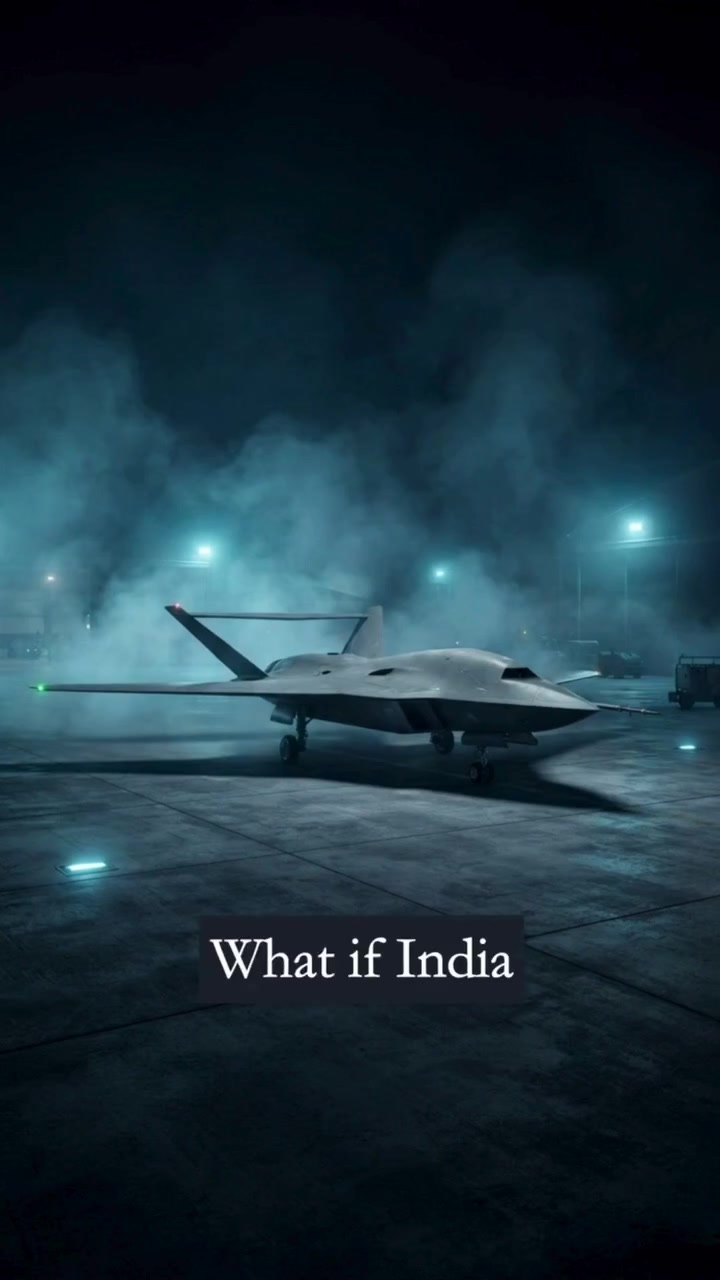
Bangalore startup Flying Wedge Defence & Aerospace could transform India's defense strategy. This aerospace startup is designing and manufacturing its own flight controllers, power boards, and airframes under India's "Make in India" policy, breaking away from outside monopolies. A flagship project named Kal Bhairava, the design features a 445 kg maximum takeoff weight (MTOW) and a 3000 km range, is a heavy drone aimed squarely at strategic targets. There's an expanding European investment in Portugal, showcasing India's burgeoning defense industry.
Autonomous Skies
India's aerospace sector is entering a new frontier, shifting from imports to homegrown innovation. The emblematic "Make in India" policy has catalyzed Flying Wedge Defence & Aerospace to start prototyping sophisticated drones and aircraft. These include the "Kaal Bhairava," a heavy drone variant designed for long-range tactical operations. Flying Wedge’s approach to autonomy stands out. They focus on an entire ecosystem of defense technologies, rather than just one type of aircraft. Their portfolio includes heavier drones and loitering munitions, alongside the stealth Yama Interceptor for counter-drones. The startup's vision rests on the concept of "tritable warfare," a name they coined. This means leveraging swarms of relatively low-cost combat aircraft for a broader and more effective battlefield presence in comparison to deploying fewer, expensive drones.
The Race for Defense Innovation
The war in Ukraine has intensified the global demand for advanced drones and autonomous combat vehicles, leading Western democracies to invest heavily in European drone manufacturers to boost their military capabilities. Flying Wedge Defense & Aerospace and other startups operating under the "Make in India" initiative are stepping up to meet these needs while offering localized solutions. Under the banner of "Make in India," government-backed projects are scaling drone manufacturing in India, not just for combat but also for civilian purposes. Recently, the Indian Air Force has expressed interest in domestic manufacturing for the supply chain. This could create new opportunities for suppliers to reduce dependency on imports. In the zone of autonomous drones, the need for a fleet of low-cost combat drones is critical to outmaneuvering foes. As compared to buying one Predator drone, deploying a fleet of FWD aircraft ensures superior battlefield coverage without excessive expenditure.
A Closer Look at the Fleet
Designing a Fleet for Tactical Mastery
Flying Wedge’s drone fleet is meticulously designed for diverse battlefield scenarios. At the core of their strategy is "tritable warfare," a concept aimed at maximizing battlefield coverage. The fleet includes: Kaal Bhairava: This heavy variant is designed for long-range missions, capable of carrying substantial payloads and reaching far-reaching targets. Kal Bhairava is at the cutting edge of autonomy, designed to be both versatile and independent in strategic missions. Its twin-boom pusher configuration enhances its maneuverability and range. FWD-LM Littering Munition: This model is engineered for precision strikes, with the ability to hover and loiter over a target before delivering a decisive blow. Its tactical agility allows it to adapt to dynamic battle situations, making it a highly versatile asset on the battlefield. Yama Interceptor: This stealthy drone specializes in anti-drone warfare, expertly tracking and neutralizing unmanned aerial vehicles (UAVs) mid-air. The Yama Interceptor’s stealth capabilities ensure targeted and silent operations, rendering enemy surveillance and combat drones ineffective.
Engineering for Independence
Flying Wedge Defense & Aerospace emphasizes the importance of local innovation, opting to engineer its own flight controllers, power systems, and airframes to steer clear of foreign monopolies. This approach boosts India's manufacturing independence and enhances the self-reliance of its defense sector.
The Autonomy Equation
Flying Wedge’s commitment to autonomous technology is evident in their rigourously designed drones. Utilizing AI-driven defense technologies, their drones operate with minimal human intervention, making them less susceptible to human error and maintaining a consistent operational tempo. Autonomous drones employ sophisticated algorithms to navigate, engage targets, and return to base while requiring minimal ground support.
Configurations for Efficiency
Several unique configurations bolster Flying Wedge’s drones, enhancing their efficiency and capability. Kal Bhairava employs a twin-boom pusher configuration, which offers a strategic balance of stability and maneuverability. The twin-boom design distributes weight effectively, allowing for extended flight times and operational range.
How to Spot Revolutionary Innovation in Aerospace
There are numerous ways to evaluate Flying Wedge’s innovations: * Evaluate the AI Integration: Assess how Flying Wedge integrates AI across its fleet for autonomous operations, target tracking, and decision-making. AI-driven drones offer a significant tactical advantage, as they can adapt to dynamic battlefield conditions and maintain operational continuity. * Look for Autonomy: Examine the level of autonomy in each drone. Greater autonomy means less reliance on ground control, reducing the risk of interception and enhancing operational flexibility. Flying Wedge’s drones are designed for independent operations and real-time data processing, making them ideal for complex missions * Weight and Capability: Evaluate the maximum takeoff weight (MTOW) and payload capabilities of the drones. A high MTOW, like the 445 kg in Kal Bhairava, indicates the drone’s capacity to carry heavier payloads and operate over extended ranges without compromising performance. * Configurations: Review the unique configurations, such as the twin-boom pusher design in Kal Bhairava, which enables a versatile balance of stability, maneuverability, and operational range. * Counter-Drone Measures: Inspect the stealth and interception capabilities of drones like the Yama Interceptor, which are crucial for neutralizing enemy drones and safeguarding strategic operations.
India’s Future on the Skies
The evolution of India’s defense capabilities, fueled by the "Make in India" policy, promises a new landscape of military innovation. Flying Wedge’s commitment to autonomy and local manufacturing signifies a transformative shift towards self-reliance and strategic agility. Their conceptual ecosystem of combat drones, with deft manoeuvrability and enhanced battlefield coverage, is set to reshape India’s defense landscape. As this sector continues to grow, it will not only provide superior defense solutions but also drive economic growth and technological advancement in India.
Related deep dives
Similar reads based on topic and creator.




Recent articles
Fresh deep dives from the latest Reels we unpacked.




Comments
Be the first to comment.