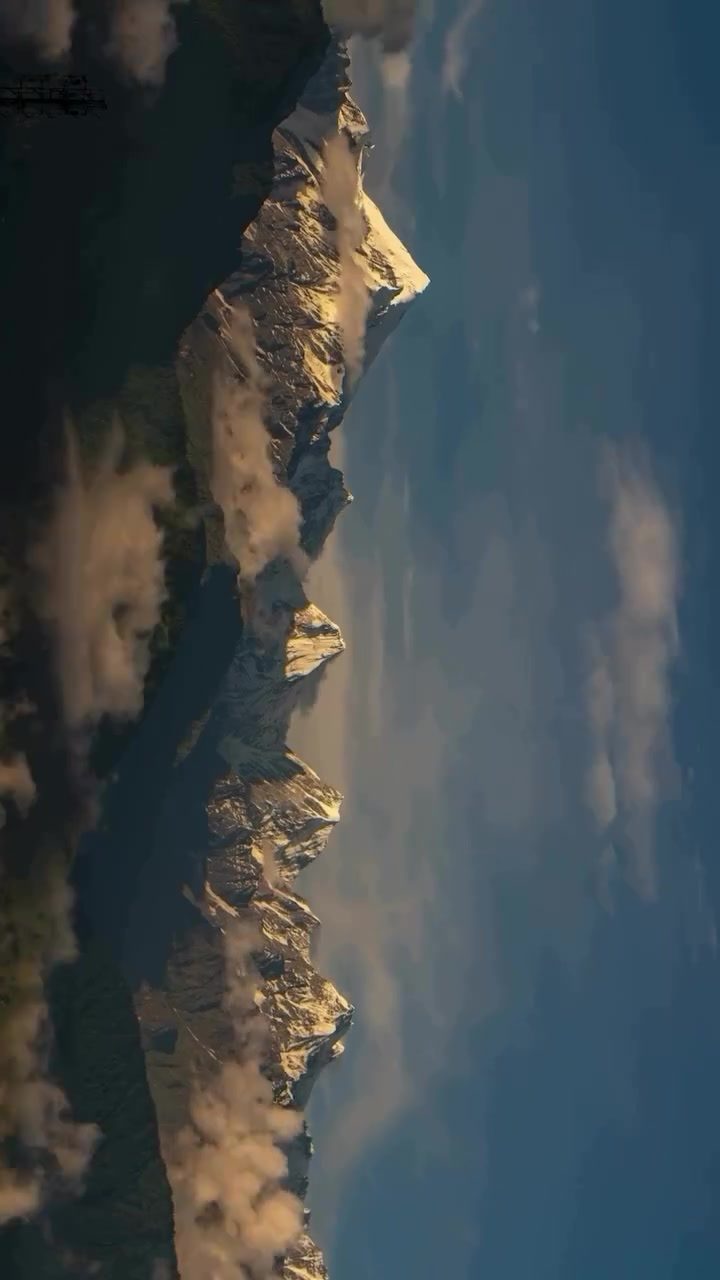
Mountain Illusion: The Fascinating Optical Trick at Panchachuli Peaks
Mountain ranges have a unique ability to surprise with their natural beauty. This is particularly true for the Panchachuli Peaks in the Himalayas, where a captivating optical illusion transforms the landscape into a mesmerizing sight. The illusion, created by the interplay of clouds and the mountain's shape, makes it appear as if a human face is gazing down from the sky.
Why This Matters
Optical illusions are a perfect example of how we perceive the world around us. The phenomenon at Panchachuli Peaks underscores how nature can create such captivating tricks that challenge our perception and deepen our appreciation for the natural world. The illusion plays with the sky's boundaries, compelling us to look closer and see beyond the obvious.
The Panchachuli Peaks, situated in the Himalayas, are a popular destination for mountaineers and nature enthusiasts. The illusion is a natural marvel that draws visitors from around the world, making it a must-see for anyone who appreciates nature's wonders. The sunset provides an ideal backdrop for this optical trick, as the fading light accentuates the contours of the mountains and the clouds.
The Illusion Explained
The optical illusion at Panchachuli Peaks is a result of pareidolia, a psychological phenomenon where people perceive meaningful patterns in random stimuli. In this case, the clouds and the mountain's shape align in such a way that they resemble a human face.
The Role of Clouds
Clouds play a crucial role in creating this illusion. Their ever-changing forms and movements add an element of dynamism to the scene. As the clouds drift, they reveal different aspects of the mountain range, enhancing the illusion's intricacy. The timing of the time-lapse is crucial here; it captures the precise moment when the clouds form a face, adding to the dramatic effect.
The Face Illusion
The face illusion is a classic example of how our brains interpret ambiguous visual information. The mountain's shape, combined with the positioning of the clouds, creates features that our minds interpret as a face. This illusion is not static; it changes with the movement of the clouds and the shifting angles of the sun, making it a dynamic and ever-changing spectacle.
The Grandeur of the Himalayas
Panchachuli Peaks are part of the larger Himalayan range, which is known for its towering heights and breathtaking vistas. The grandeur of the Himalayas adds to the visual impact of the illusion. The majestic peaks and the expansive sky create a sense of awe and wonder, making the illusion all the more captivating.
Practical Tips for Viewing the Illusion
Viewing the optical illusion at Panchachuli Peaks is a once-in-a-lifetime experience. Here are some practical tips to make the most of your visit:
Best Time to Visit
The best time to view the illusion is during sunset. The fading light accentuates the contours of the mountains and the clouds, making the illusion more pronounced. The time-lapse effect captures this transition beautifully, highlighting the dynamic nature of the scene.
Ideal Viewing Points
For the best view, head to Munsyari, a small town nestled in the Himalayas near the Panchachuli Peaks. The town offers several vantage points from which you can get a clear view of the illusion. Local guides can help you find the perfect spot to set up your camera for an ideal time-lapse.
Photography Tips
Photographing the illusion requires a bit of patience and the right equipment. Here are some tips to help you capture the moment:
- Use a camera with a good zoom lens to get a clear shot of the mountains and clouds.
- Set up your camera on a tripod for stability, especially if you plan to shoot a time-lapse.
- Adjust your camera settings to capture the dynamic range of the scene, including the varying light and shadow.
- Be ready to adjust your camera angle and zoom as the clouds move and the illusion changes.
Important Takeaways
The optical illusion at Panchachuli Peaks serves as a reminder of nature's boundless ability to amaze and inspire. Whether you're a seasoned mountaineer or a casual nature enthusiast, the illusion is a sight to behold. Here are some key takeaways:
The Power of Nature
Nature has a way of creating beauty and wonder that often goes unnoticed. The illusion at Panchachuli Peaks is a testament to this power, showcasing how the simplest elements—mountains, clouds, and sunlight—can come together to create something extraordinary.
The Art of Observation
The illusion also highlights the importance of observation and perception. It encourages us to look deeper into the natural world and appreciate its nuances. By training our eyes to see beyond the obvious, we can uncover hidden wonders that might otherwise go unnoticed.
The Value of Timing
Capturing the illusion requires precise timing. The interplay of sunlight, clouds, and the mountain's shape creates a fleeting but breathtaking spectacle. This emphasizes the importance of patience and the right conditions in nature photography.
Conclusion
The optical illusion at Panchachuli Peaks is a natural marvel that showcases the beauty and mystery of the Himalayas. It is a testament to how nature's elements can combine to create something truly extraordinary. Whether you're a photographer, a nature enthusiast, or simply someone who appreciates natural wonders, the illusion is a sight that will leave you in awe.
Questions readers ask
What causes the floating face illusion at Panchachuli Peaks?
The illusion is primarily caused by the unique shape of the Panchachuli Peaks and the dynamic movement of clouds. When viewed from a certain angle, typically from the Munsyari viewpoint, the clouds create the appearance of a human face formed from the mountains.
When is the best time to view the illusion at Panchachuli Peaks?
The illusion is most visible during sunrise or sunset. During these times, the lighting conditions enhance the contrast between the clouds and the mountains, making the face formation more distinct and evident.
Is the illusion visible from any viewpoint at Panchachuli Peaks?
No, the optical illusion of the floating face is typically best seen from the Munsyari viewpoint. This vantage point offers the optimal angle and perspective to witness the face formed by the clouds and peaks.
How does the cloud formation contribute to the illusion?
The clouds contribute to the illusion by creating the appearance of facial features. As they move and change shape, they can resemble eyes, a nose, and a mouth, making the mountain face appear to be gazing from the sky.
Are there any other similar illusions in the Himalayas?
While the Panchachuli Peaks illusion is one of the most famous, there are other spots in the Himalayas where unique optical illusions occur. These are often due to the interplay of light, clouds, and mountain shapes, creating a variety of mesmerizing sights.
What is the significance of the Munsyari viewpoint for viewing the illusion?
The Munsyari viewpoint is significant because it provides the best angle to see the face illusion. From this spot, the peaks and clouds align in a way that creates the most striking and recognizable image of a human face.
Can the illusion be photographed and captured on camera?
Yes, many visitors capture the illusion on camera, though it may be challenging to get the perfect shot. It may require a tripod and good camera settings. Long-exposure shots and wide-angle lenses can help enhance the detail and visibility of the face in the clouds.
Related deep dives
Similar reads based on topic and creator.

Recent articles
Fresh deep dives from the latest Reels we unpacked.

Comments
Be the first to comment.