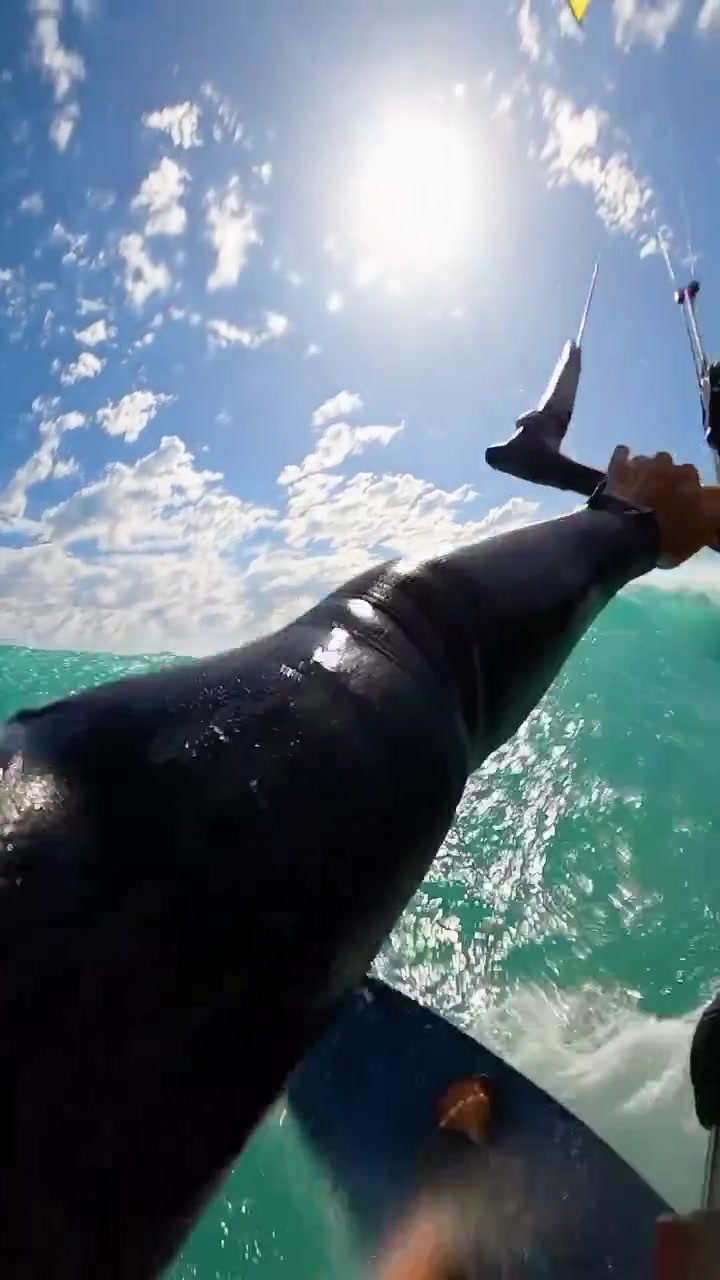
The adrenaline rush of kitesurfing, combined with an infectious song from the film of the same name, provides an exhilarating glimpse of life on the water. Imagine riding the surf, wind tugging at your kite, water where the sky meets water. Gliding atop a kitesurf board at speed. Riding a board with no motor or sail is a sport that demands balance, strength, and skill. Kitesurfing combines elements of wakeboarding, windsurfing, and paragliding, harnessing wind power to propel a rider across water. The rider stands on a board with footstraps or bindings, holding a control bar connected to a large kite. By manipulating the kite's angle and position, the rider can generate lift, speed, and directional control.
The Kitesurfing Experience
The experience of kitesurfing is as thrilling as it is technical. It begins by launching the kite into the air, known as "kiting". The kite, which can range from 5 to 20 square metres in size, catches the wind and lifts off the ground. The kite is attached to a control bar and lines, which are used to steer and control the kite. Once the kite is aloft, the rider enters the water and begins to kite, moving the kite from side to side. As the kite moves, the wind creates lift, which propels the rider forward. The rider can perform various tricks and maneuvers, such as jumps, spins, and flips, by manipulating the kite's position and angle. Kitesurfing requires a specific set of tools. They include a kite, control bar, lines, board, harness, and wetsuit. The kite is the most important piece of equipment, as it generates the power needed to propel the rider across the water. The control bar and lines are used to steer and control the kite, while the board provides the rider with a stable platform to stand on. The harness is used to attach the rider to the control bar, and the wetsuit is used to keep the rider warm and protected from the water and wind.
The Draw of Turquoise Water and Big Kites
Kitesurfing's popularity has been rising in recent years as an exhilarating way to experience the outdoor world. It appeals to adventure seekers, adrenaline junkies, and thrill seekers. The combination of wind, water, and sky creates a unique and invigorating experience that is difficult to replicate with other activities. It also provides a full-body workout, engaging the core, legs, and arms. Wind speed and direction, water temperature, and board selection all greatly influence the sport. Unlike the conventional form of surfing, which is governed by the ocean's waves, kitesurfing requires riders to navigate continually shifting winds. The size and shape of the kite affect how much power the rider can generate, and the type of board used affects the rider's speed and maneuverability.
The Symphony of Wind, Water, and Music
From the moment the rider enters the water, the symphony of wind, water and music begins, as seen in the video. The movement of the kite, the rhythm of the waves, and the melody of the song create a unique harmony that immerses the rider in the experience. Riders may find themselves humming the song as they practice their moves and even singing it aloud, such as that seen in this video. The kitesurfer navigates the water with a focus that is almost hypnotic, as the wind lifts the kite. The kitesurf's speed, coupled with the rider's ability to manipulate the kite's position and angle, creates a dynamic and ever-changing landscape. "I drink till I'm drunk, smoke till I'm high, castle on the hill, wake up in the sky," the rider sings. Turquoise water stretches out on all sides, and the kitesurfing becomes a liberating escape. The rhythm of the song sets the pace, adding an extra layer to the sport's thrill.
The Skill and Gear that Matter
The Music Beat of Kiteboarding
The music beat that plays in the video adds an extra layer to the experience. A song like Big Shot from the film Get Rich or Die Tryin'. Sung by '50 Cent, the song’s lyrics reflect a determination to succeed and a willingness to take risks. The music's upbeat rhythm and catchy melody create a sense of energy and excitement that complements the thrill of kitesurfing.
Mastering the Kite
There are four main types of kitesurfing kites, each with its own unique characteristics and advantages. The advantages of each type ultimately determine suitability for different conditions. Twin-tip boards offer more maneuverability and are ideal for those looking to practice tricks and jumps, or for riding in flatwater conditions. Kitesurfing can involve various techniques. In any given session, the kite, weather conditions and terrain, and the rider's skill affect the overall experience.
Kites and Waterboarding
Kitesurfing is a bit like any other form of surfing, but where you ride your momentum and muscle power across the water, a kitesurfer also harnesses the wind to skim across the waves. Expert kitesurfers perform jumps, flips, and turns, using the wind's power to propel themselves through the air and over the water. The first recorded kitesurfing took place in 1984, when broders and Genser developed equipment that allowed them to harness wind power and ride across water. The sport has evolved significantly since its inception, with advancements in technology and equipment making it more accessible and thrilling.
Hunting the Ultimate Ride
Even a novice kitesurfer can experience a thrilling ride by paying attention to a few factors.
- Weather conditions: Kitesurfing requires consistent wind speeds and favourable weather conditions. Check the weather forecast and choose a location with suitable wind and water conditions. The ideal wind speed for kitesurfing is between 15 and 25 knots (17-29 mph or 27-46 km/h); the wind must be strong enough to provide lift but not so strong that it becomes dangerous.
- Location: Choose a location with flat, calm water and minimal obstacles, such as rocks or shallow water. Avoid areas with strong currents or waves, which can make kitesurfing more challenging and dangerous;
- Gear: Invest in high-quality kitesurfing equipment, including a kite, control bar, lines, board, harness, and wetsuit. Ensure that your equipment is in good condition and properly maintained.
The Shifting Patterns of the Sport
With high winds and a rope to catch the wind — kiteboarding makes kitesurfing a unique sport. Unlike traditional surfing, the kite allows power to the kitesurfer propelled by the wind rather than paddling. The kite is controlled by a control bar and lines, allowing the rider to manipulate the kite's position and angle to generate lift and speed. The rider stands on a board with footstraps or bindings, providing a stable platform to stand on. The kitesurfing board is typically shorter and wider than a traditional surfboard, with a rounded nose and tail. The board's design allows for better maneuverability and control in the water.
Where the Wind Blows
The Foil is a thin, curved board designed to glide through the water. This board is a modern development in the sport. It allows riders to achieve higher speeds and perform more advanced tricks. The Foil board is more challenging to ride than a traditional board but offers a unique and exhilarating experience. The Kite's type and size vary. The most common types of kites are bow kites, delta kites, and foil kites. The first two provide stability and control, while foil kites offer more responsiveness and agility. The kite's size is determined by the wind conditions and the rider's weight and skill level. With high winds and a rope to catch the wind, kiteboarding makes kitesurfing a unique sport. Unlike traditional surfing, the kite allows power to the kitesurfer propelled by the wind rather than paddling. The kite is controlled by a control bar and lines, allowing the rider to manipulate the kite's position and angle to generate lift and speed. The rider stands on a board with footstraps or bindings, providing a stable platform to stand on.
Questions readers ask
What exactly is kitesurfing and how does it work?
Kitesurfing is a thrilling water sport that combines elements of wakeboarding, windsurfing, and paragliding. It involves a rider standing on a board while harnessing the power of the wind with a large kite. The kite is controlled via a bar and lines, allowing the rider to generate lift, speed, and directional control by manipulating the kite's angle and position, thus propelling them across the water.
How do you get started with kitesurfing?
Getting started with kitesurfing involves learning to launch the kite, known as 'kiting.' The kite catches the wind and lifts off the ground, and the rider then enters the water. The rider moves the kite from side to side to create lift, propelling them forward. It's a technical and thrilling experience that requires balance, strength, and skill.
What equipment do you need for kitesurfing?
Kitesurfing requires a specific set of gear, including a kite (which can range from 5 to 20 square meters), a control bar, lines, a board, a harness, and a wetsuit. The kite is the most crucial piece of equipment as it generates the power needed to propel the rider. The control bar and lines are used for steering and control, while the board provides stability. The harness attaches the rider to the control bar, and the wetsuit keeps them warm and protected.
How does the music factor into the kitesurfing experience?
The music in the video enhances the overall experience of kitesurfing. It creates a unique harmony with the movement of the kite and the rhythm of the waves, making the adventure even more immersive. Riders may find themselves humming or singing along to the melody as they practice their moves, adding an extra layer of enjoyment to the sport.
Why is the Caribbean a great place for kitesurfing?
The Caribbean is an ideal location for kitesurfing due to its turquoise waters and consistent wind conditions. The combination of wind, water, and sky creates a unique and invigorating experience. The warm water and scenic beauty of the Caribbean add to the overall appeal, making it a popular destination for kitesurfers.
How does kitesurfing compare to traditional surfing?
Unlike traditional surfing, which relies on ocean waves, kitesurfing utilizes wind power to propel the rider. This means kitesurfers need to navigate shifting winds rather than waves. The equipment is also different, with kitesurfing requiring a kite, control bar, lines, and a specific board, while traditional surfing uses a surfboard to ride waves.
Related deep dives
Similar reads based on topic and creator.

Recent articles
Fresh deep dives from the latest Reels we unpacked.
Comments
Be the first to comment.