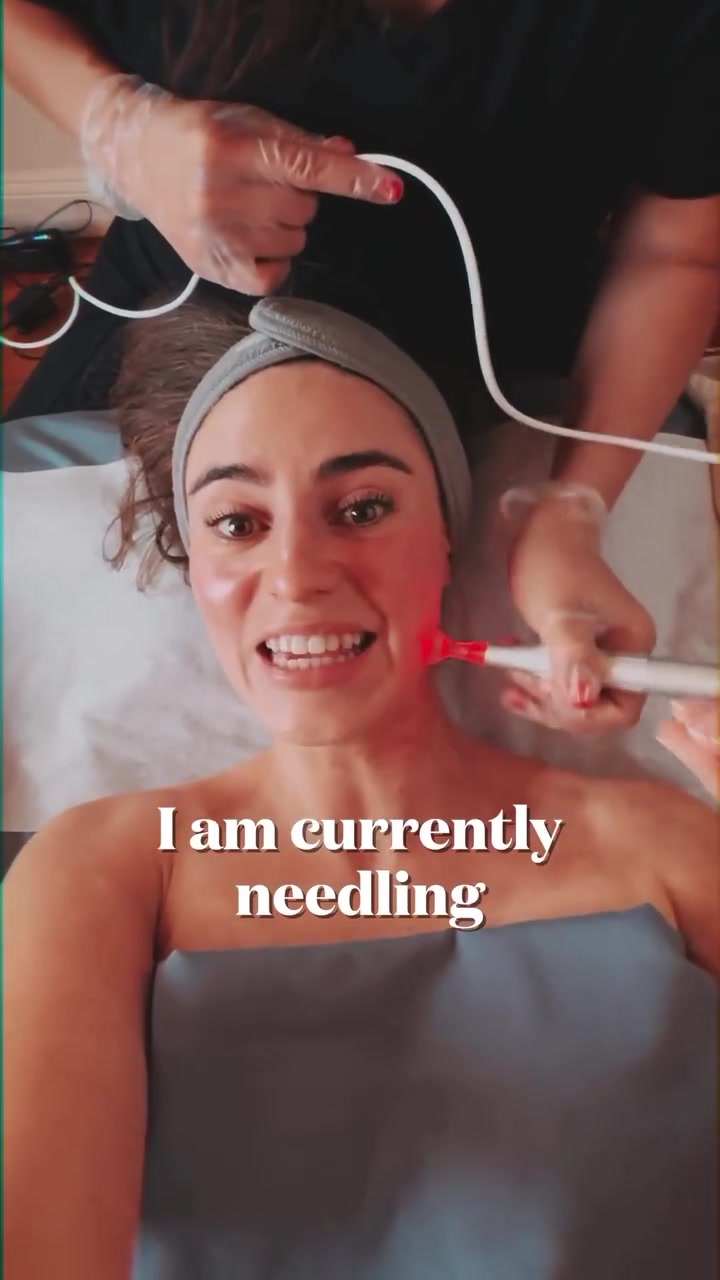
##The Fat Cell Powerhouse Exosomes might sound like a scene out of a science-fiction movie, but these tiny particles are harvested from the body’s own fat cells, they're real, and they're revolutionizing skin care. At the heart of this cutting-edge treatment is microneedling, injecting these powerful particles into the skin to spur collagen growth and repair damage like wrinkles, scars, and UV damage. Forgoing traditional cosmetic injectables, this process taps into the body’s organic healing abilities. What makes exosomes so distinctive is both their origin and their function. Working with naturally produced particles from fat cells means the body is less likely to reject them. These particles act as messengers, instructing skin cells to regenerate and boost collagen production. Unlike products like Botox or fillers, which only temporarily conceal signs of aging, exosomes stimulate the body to heal itself, yielding longer-lasting and more natural-looking improvements.
Skin’s Own Medicine Cabinet
Though it’s still gaining traction, exosome therapy isn’t a fad. It’s part of a broader trend in regenerative medicine, which relies on the body’s innate ability to heal. The potential for exosomes extends far beyond skin care; scientists are investigating their role in healing brain tissue, repairing heart damage, and even soothing inflamed joints. What’s more, exosomes could reduce the need for invasive procedures and synthetic treatments, minimizing complications and downtime. In Asia, this treatment is already widely used and patients report significant improvements in conditions like acne scars and burns. The idea of injecting fat particles into the skin might seem odd, but there's good reason to consider exosomes. Since exosomes are harvested from the patient's own tissues, the risk of allergic reactions or rejection is low. This regenerative treatment also offers a more holistic approach to skin care. Where traditional methods focus on correcting surface issues, exosomes work at a cellular level to repair damage from the inside out. Moreover, as people become more conscious of their health and the environment, demand for organic beauty treatments is rising. Exosomes fit this trend: instead of introducing foreign substances, this treatment simply harnesses the body’s own resources. These attributes help the treatment stand out against a backdrop of synthetic and invasive options.
Fat Cells to the Face
Exosomes are so small that 5 billion of them weigh less than a milligram. Microneedling devices gently puncture the skin, delivering these miniscule particles directly to the problem areas. The skin responds by producing collagen, leading to smoother, more youthful skin. But how exactly do these particles influence the skin? Microneedling needles deliver the exosomes into the deeper layers of the skin, where they find the damaged tissue they need to repair. Once there, they act as tiny information packets, instructing the cells to return to a healthier, more youthful state.
From Scars to Collagen
Exosomes aren’t just about enhancing appearance; they’re about boosting health. The particles are so minuscule that they travel through damaged tissue, carrying instructions to regenerate. Just as important, they encourage the production of collagen, a protein that gives skin its elasticity and firmness. Over time, the skin takes on a more youthful and healthy glow. In Asia, patients using this treatment report softer, more supple skin. They're seeing scars fade, and acne and burns heal remarkable well. The biggest difference between traditional treatments and exosome therapy is the absence of downtime and side effects. Botox and fillers might yield quick results, but they don’t address the root causes of aging or damage. Exosomes, on the other hand, offer a longer-lasting, more natural solution. Wrinkles, scars, and other imperfections fade over time as the skin repairs itself. For those looking to reduce fine lines, smooth skin, and achieve a more youthful appearance, exosomes offer an exciting new option.
Exosomes: The New Botox?
The most fascinating application of exosome therapy lies in its therapeutic potential to heal beyond the skin. Their potential uses in regenerative medicine are staggering. As the fields of dermatology and regenerative medicine continue to grow, exosomes may ultimately revolutionize treatment for diseases and conditions. This development could mean using exosomes to repair brain tissue, helping to mend damage from conditions like Parkinson’s and Alzheimer’s. Similarly, exosomes could play a role in repairing heart tissue, offering new hope for those who have suffered heart attacks. There is also potential in joint repair, offering relief to those suffering from degenerative joint diseases. The possibilities are just beginning to be explored, and researchers are continually finding new applications for these powerful tools.
Collagen, Naturally
If you want to try exosomes, your first step should be to find a qualified professional. Not all facilities offer this treatment, so you may need to do some research. When it comes to your skin and overall health, it’s best to err on the side of caution. The professional you choose should have experience in regenerative medicine and be familiar with exosome therapy. Most treatments involve a series of sessions and can be administered over a few weeks. Check the credentials of the clinic and the professionals involved, and ensure they have experience with this treatment. Also, meet with the clinician before committing to any therapy.
- Number of sessions: exosome treatments usually consist of multiple sessions. Be prepared for repeat treatments
- Consultation: Before scheduling, consult a professional to assess if exosome therapy is right for you. Discuss any concerns
- Adverse effects: Side effects, like potential allergic reactions, should be discussed at the consultation. Be sure to address any concerns in the consultation Exosome treatments offer an alluring alternative to traditional cosmetic procedures. Not only do they harness your body’s natural healing abilities, but they address the root causes of aging and damage. While the science is still emerging, the potential is enormous. For those seeking a more holistic, long-lasting approach to skin care and healing, it’s worth exploring. To get the most out of exosome therapy, you’ll need to find a trusted professional who specializes in this field. Even then, consistency will be key in seeing results.
Regenerating the Future
Exosomes might still feel like a futuristic concept, but they are already here. Through regenerative medicine, patients can take advantage of what the body has to offer. While the possibilities are vast and exciting, the journey is just beginning. This process offers more than just cosmetic benefits—it represents a paradigm shift in how we approach health and beauty. With exosomes, we are teaching the body how to heal itself, one cell at a time.
Questions readers ask
What exactly are exosomes and why are they significant in skincare?
Exosomes are tiny particles derived from fat cells that act as messengers to instruct skin cells to regenerate and boost collagen production. They are significant in skincare because they harness the body’s natural healing abilities, offering a more natural and longer-lasting approach to skin rejuvenation compared to traditional treatments like Botox or fillers. Unlike other treatments, exosomes work at a cellular level to repair damage from the inside out, making them a more holistic option.
How do exosomes differ from other cosmetic treatments like Botox or fillers?
Exosomes differ from treatments like Botox or fillers in that they don’t just temporarily conceal signs of aging but instead stimulate the body to heal itself. This results in longer-lasting and more natural-looking improvements. Additionally, exosomes are derived from the patient’s own fat cells, reducing the risk of allergic reactions or rejection, while synthetic treatments may cause complications and downtime.
What is the process involved in an exosome facial treatment?
An exosome facial treatment involves microneedling, where a device gently punctures the skin to deliver exosomes directly to the problem areas. Once injected, the exosomes act as tiny information packets, instructing the skin cells to produce more collagen and return to a healthier, more youthful state. This process is designed to repair damage from the inside out, addressing issues like wrinkles, scars, and UV damage.
What are the potential benefits of exosome therapy beyond skincare?
Exosome therapy has potential benefits beyond skincare, with scientists investigating its role in healing brain tissue, repairing heart damage, and soothing inflamed joints. This regenerative treatment could reduce the need for invasive procedures and synthetic treatments, minimizing complications and downtime, making it a promising area in regenerative medicine.
How do exosomes contribute to the trend of organic beauty treatments?
Exosomes contribute to the trend of organic beauty treatments by harnessing the body’s own resources instead of introducing foreign substances. This aligns with the growing demand for more natural and holistic approaches to beauty, where the focus is on repairing damage from the inside out using the body’s own healing abilities.
Are there any risks or concerns associated with exosome facial treatments?
Exosome facial treatments are generally considered safe because the exosomes are harvested from the patient’s own tissues, which minimizes the risk of allergic reactions or rejection. However, as with any medical procedure, it’s important to consult with a healthcare professional to discuss potential risks and ensure the treatment is suitable for your individual needs.
Related deep dives
Similar reads based on topic and creator.




Recent articles
Fresh deep dives from the latest Reels we unpacked.




Comments
Be the first to comment.