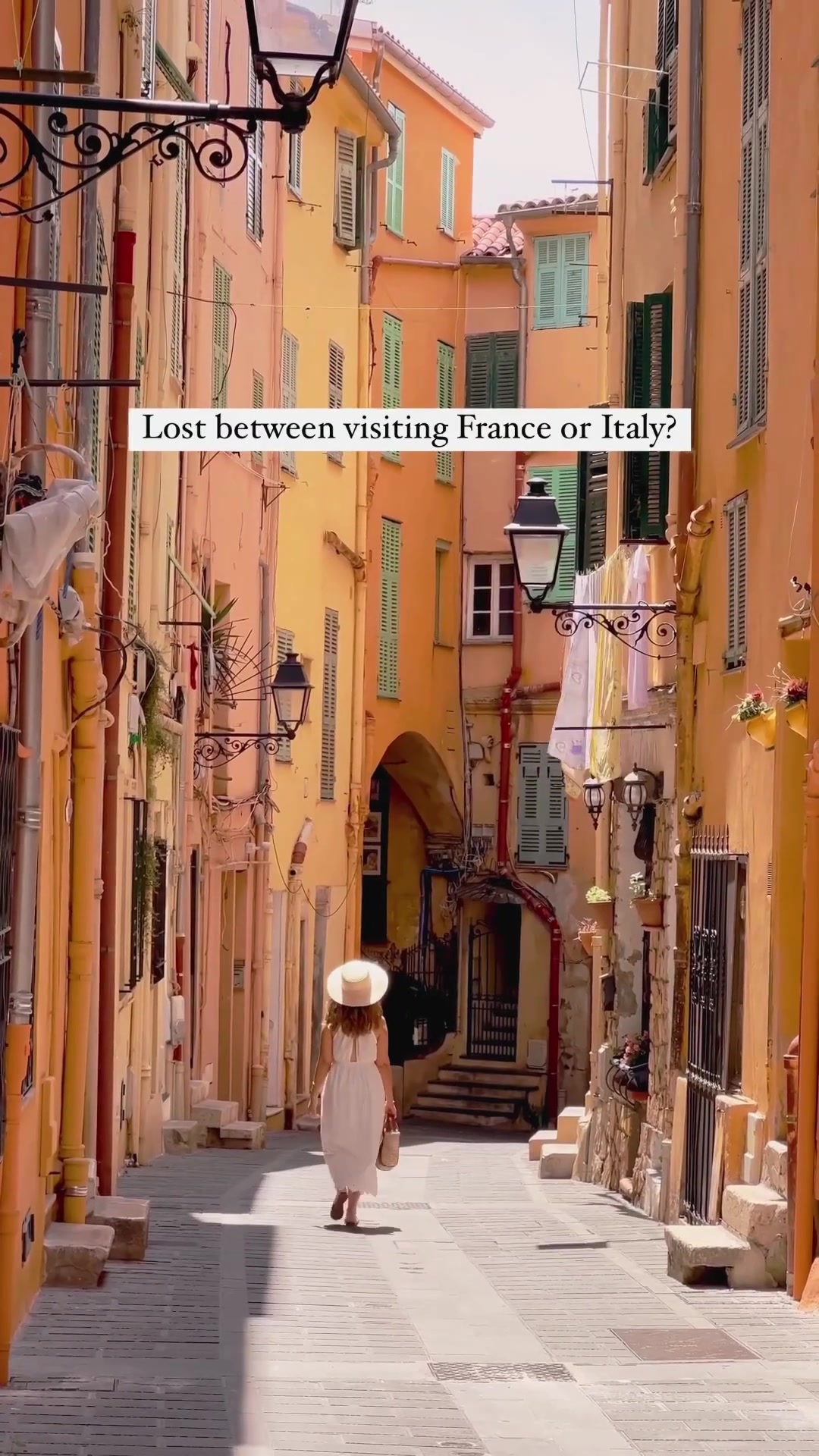
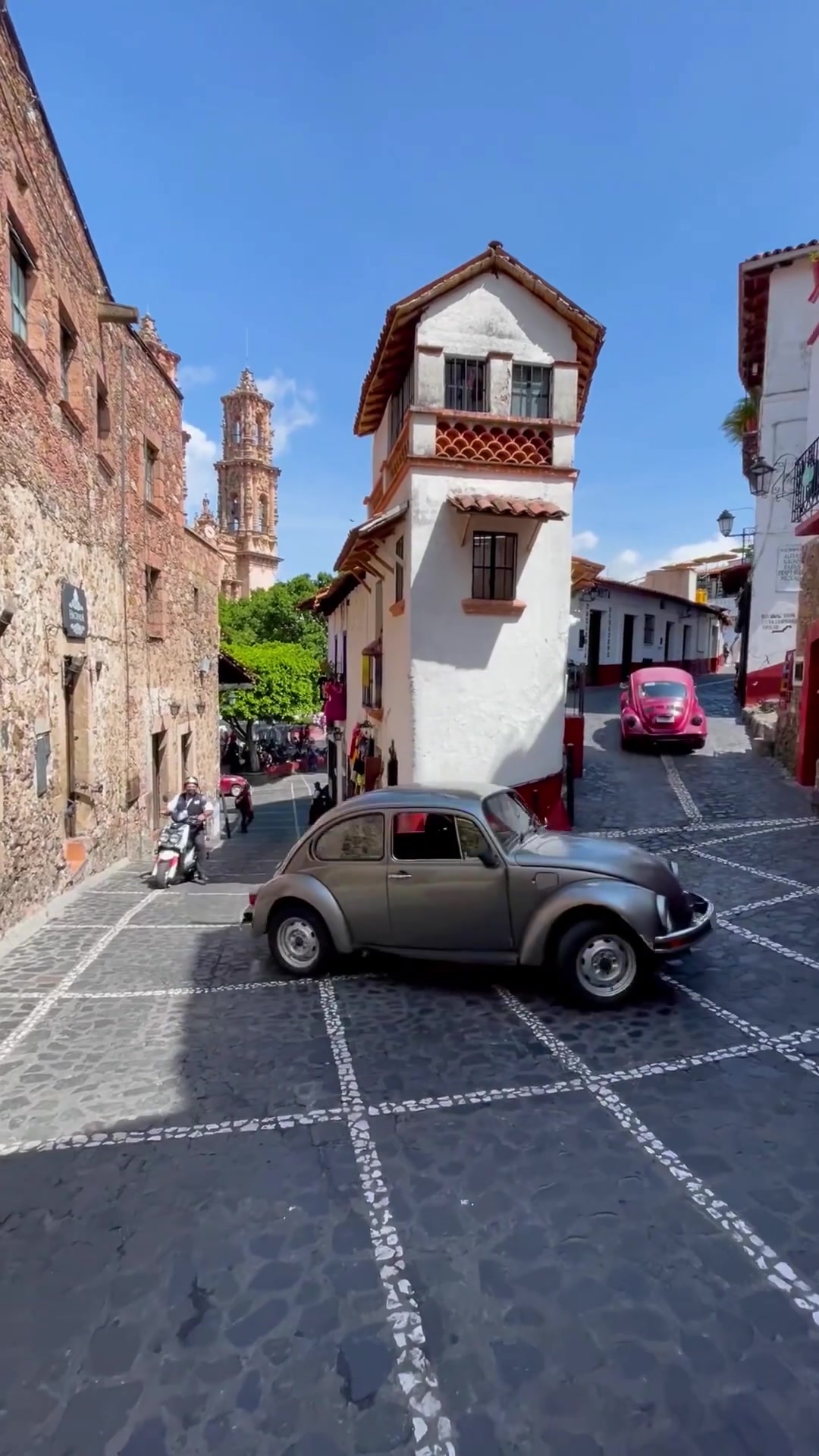
Down a narrow European street, the sun dances off colorful buildings adorned with vibrant shutters. This is the allure of Southern France and Italy, captured in a single, captivating scene. On-screen text invites viewers to imagine "visiting both countries at the same time."
What is a Southern European Street Scene?
Strolling through Southern European streets like these reveal a distinct cultural charm unique to the region, from the warm hues of Italian buildings to the charm of French markets. The scene showcases narrow, pedestrian-friendly streets lined with colorful buildings. Ornate details, such as shutters and arched doorways, punctuate the architecture. The streets are often accompanied by a lively atmosphere, with locals and visitors alike milling about. This iconic street scene is quintessential to the Mediterranean lifestyle and European summer vacations. The passage of time has left a distinct flavor to these streets. The streets themselves are often cobblestone, making walking an auditory experience. The architectural vibe is a mix of historical and Mediterranean styles, creating an atmosphere rich with cultural ambiance. Marketplaces and shops clutter the streets, with the smell of fresh bread and pastries filling the air in the morning, and vibrant, flavorful food — like rich pizza or pasta — in the evening. Passersby often comment on the unique energy of the streets. The combination of historical heritage and modern vibrancy — and walking from market to market — evoke a sense of wanderlust in those who experience it. Whether in the South of France or Italy, tourists and locals alike share a commonality of wanting to explore these scenes, and storing them away in their memories.
Why European Wanderlust Matters
Southern Europe's allure, as presented here, is more than a visual feast. It taps into a broader travel trend: the pursuit of immersive, culturally rich experiences. Wanderlust has become a more deliberate pursuit, as today's travelers seek out authentic, meaningful connections with local cultures. More than simply snapping a picture, this scene is that precise moment of connection to the world. This same European aesthetic has historically delighted many artists and writers, from Post-Impressionist artists like Cezanne and Van Gogh to contemporary influencers. This tradition of wanderlust and travel has morphed into something that is now accessible to more people, perhaps spurred by the expedited pace of life and the need to escape it. At the same time, social media facilitates even more wanderlust, showing the world that it is beautiful and plentiful. Today, many people have a regular, yearning desire to absorb themselves in a new reality and experience a different culture. Embodying that world happens now through visual connections.
The Charm of European Streets
Painted Passageways
The narrow, winding cobblestone streets mark a distinct architectural feature of many Southern European towns and cities, such as Paris or Rome. These streets are where the cobblestones are maintained from older times, giving them a rich history. The contrast between the cobblestones and colorful buildings creates an inviting aesthetic. The cobblestones are practical as well, as they facilitate natural drainage during rain.
Chaste Cheekies
The shuttered windows and ornate doorways add a touch of historical flair to the buildings. The shutters, often painted in vibrant colors, provide shade and privacy. These architectural details are common in Mediterranean climates, where the sun's rays can be intense. European cultures also tend to enjoy the local markets and shops, creating a vibrant sense of community in these areas.
Narrow Pathways
The narrow passageways of these streets create an intimate walking experience. The close quarters encourage interaction, making it easy to engage with passersby and shopkeepers. These passageways also serve practical purposes, such as providing shortcuts through winding streets and offering respite from the sun.
The Magic of European Travel
Inhabiting a Golden Atmosphere
The atmospheric quality of the South European town is a sense of warmth and welcome. The soft glow of the sun, the additional layer of the narrow sidewalks, the inviting colors, and ornate details all contribute to a sense of serenity and calm. By simply walking the streets, it is easy to feel the luxury of the European lifestyle. It feels like a dream, partly because each scene is so unique, and there is a constant level of activity to take in.
Under the Mediterranean Sky
A deep dive into Mediterranean culture wouldn't be complete without addressing the profound influence of the Mediterranean Sea itself. The region's stunning landscapes, from the rolling hills of Tuscany to the rugged coasts of Corsica. This mix of the weather, geography and culture imbue the streets with an inviting Mediterranean vibe.
Allegiance to the Mediterranean Style
Mediterranean style is a broad term that encompasses elements such as natural materials, earthy colors, and indoor-outdoor living. The narrow streets often lead to charming courtyards where residents may dine and gather. These spaces are essential to the lifestyle, as it fosters a sense of community and fosters an exchange of ideas.
Gearing Up for your own European Wanderlust
- Location scouting: Research towns in the South of France or Italy. Look for narrow streets, colorful buildings, and lively markets and cobblestone streets.
- Pack lightly: Choose comfortable walking shoes and bring a small backpack for essentials. The streets are often hilly and uneven, so pack accordingly.
- Engage with locals: Wander through the markets and shops, and don't be afraid to engage with locals and other visitors. This will create a bond with the local culture and enhance the overall experience. Including a snippet of Southern Europe into your travel plans might just be the best way to refresh your mind, your soul, or simply find a new favorite shade of blue.
Questions readers ask
What specific architectural features make Southern European streets so distinctive?
The narrow, winding cobblestone streets and colorful buildings with vibrant shutters and arched doorways are key features. These elements create a rich, historical atmosphere that's unique to the region. The mix of historical and Mediterranean styles adds to the charm, making these streets instantly recognizable.
How do the streets in Southern France differ from those in Italy?
While both regions share similar charm, the streets in Southern France often have a warmer hue to the buildings, while Italian streets might have more ornate details. French streets are also known for their lively markets, whereas Italian streets often feature vibrant food scenes with rich pizza and pasta.
What role does the cobblestone play in the overall experience of these streets?
Cobblestones contribute to the authentic, historical feel of the streets. They add an auditory element to walking, creating a unique sensory experience. Additionally, they are a marker of the streets' rich history, often maintained from older times, giving them a distinct character.
Why do people find these streets so appealing, and what emotions do they evoke?
The combination of historical heritage and modern vibrancy in these streets creates a sense of wanderlust and a deep desire to explore. The atmosphere, filled with the smell of fresh bread and the energy of locals and visitors, evokes a sense of connection to the world and a longing to absorb oneself in a new reality. It's more than just a visual experience; it's an immersive cultural connection.
How has social media influenced the desire to visit these European streets?
Social media has played a significant role in showcasing the beauty of these streets to a global audience. It has made the world feel more accessible and beautiful, spurring a desire in many to experience these scenes firsthand. This visual connection has turned wanderlust into a more deliberate pursuit, encouraging people to seek out authentic, meaningful travel experiences.
What are some practical things to consider when visiting these streets, such as best times to go or what to expect?
The best times to visit are often in the morning when the smell of fresh bread and pastries fills the air, or in the evening when the streets are alive with the aroma of rich, flavorful food. Be prepared for narrow, pedestrian-friendly streets and cobblestones that add an auditory dimension to your walk. Embrace the lively atmosphere and the mix of historical and modern elements.
Related deep dives
Similar reads based on topic and creator.

Recent articles
Fresh deep dives from the latest Reels we unpacked.


Comments
Be the first to comment.