What Meets the Eye?
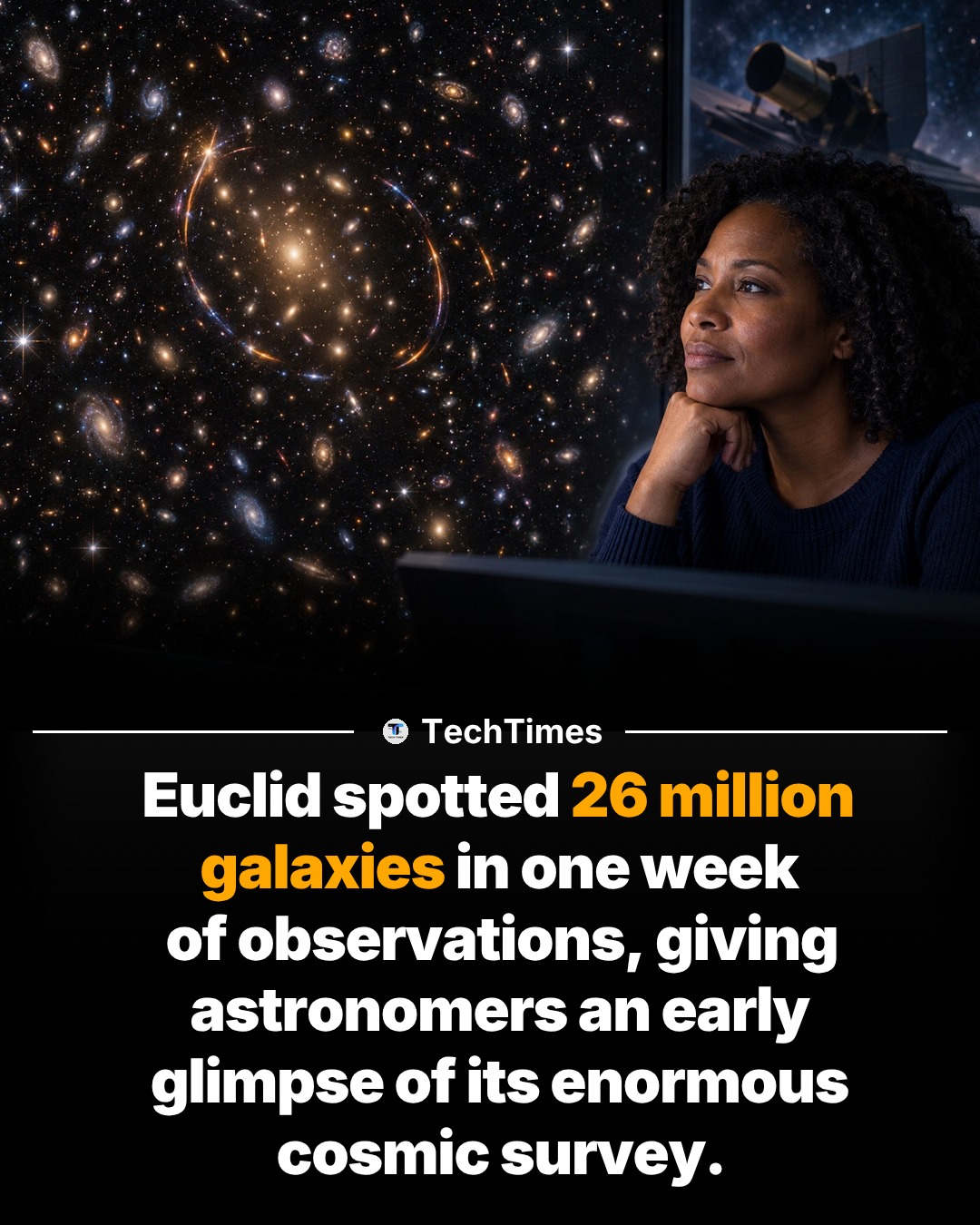
The Euclid telescope has observed 26 million galaxies in just seven days. It did not take years of observation or expensive equipment. For the first time, astronomers leverage the telescope's ability to survey an enormous section of the cosmos. This early glimpse into the universe's most distant regions may unveil secrets about its structure and evolution. The Euclid telescope is a new space observatory by the European Space Agency (ESA) specifically designed for cosmology. The telescope surveys the universe to measure the geometry of the universe and the effects of dark energy. Unlike most telescopes, which are a connected system, Euclid uses a combination of visible and near-infrared light.
Galaxy Hunters
Euclid's role is part of a grander shift in space exploration. Today, science must balance between the urge to explore new regions of the galaxy and the need for scientific research. The telescope is part of a broader mission to increase the understanding of dark energy, dark matter, and how the universe began. In a new age of astronomical exploration, Euclid's discoveries are significant because they inform science about the universe's underlying structure.
The Power of Light
Euclid's telescope leverages light to understand the universe, using both optical and infrared wavelengths. The telescope observes galaxies in the visible and near-infrared spectrum. These wavelengths give astronomers multiple pathways to understanding the universe. "These are the wavelengths that galaxies emit most energy" according to the visual summary. The telescope gathers light over time. " It captures light from distant galaxies — these galaxies are so far away that light from them took billions of years to reach the telescope. The apparent slow pace of space means that Euclid's observations represent the universe as it looked billions of years ago, allowing scientists to trace its evolution.
Cosmic Survey
While the images from Euclid look like pointillism, each dot represents an entire galaxy captured by the telescope. The knowledge gained from these images is invaluable to astronomers, who are collecting data from its cosmic census. Each pixel represents a vast region of space. Galaxies provide astronomers with a wealth of information. Observing the evolution of galaxies over vast periods gives astronomers clues about the formation of galaxies, their interactions, and their eventual demise. This creates something of a cosmic family tree, revealing the evolutionary path of galaxies.
Ground Truth
Euclid utilizes machine learning algorithms to analyze these images from space. The telescope uses two astrometric cameras paired with photometric instruments to gauge the distances of the objects in its view by focusing on their positions. This allows for the most accurate and precise mapping of the galaxy's large-scale structure. The telescope also offers astronomers access to unique, large-scale sky surveys. With it, astronomers can simulate the universe seen in the telescope’s images.
Why Look?
Those 26 million galaxies aren't just another number. For astronomers, the value of observing so many galaxies is far beyond the mundane. "Not only does Euclid uncover secrets about the structure of galaxies and the universe as a whole, but it is also a microscope into our own characteristics," says the on-screen OCR text. Euclid’s observations give astronomers a clear view into the very nature of dark energy and dark matter, two of the most puzzling components of the universe.
Questions readers ask
What makes the Euclid telescope unique compared to other space telescopes?
The Euclid telescope stands out because it uses a combination of visible and near-infrared light to survey the universe. Most telescopes operate with a single connected system, but Euclid’s dual-wavelength approach allows it to capture a broader range of data, making it particularly effective for studying the universe’s geometry and the effects of dark energy. Additionally, Euclid is designed specifically for cosmology, focusing on understanding the universe's structure and evolution.
How does the Euclid telescope capture light from distant galaxies?
Euclid captures light from distant galaxies by using both optical and infrared wavelengths. The telescope collects light over extended periods, allowing it to observe galaxies that are billions of light-years away. This means that the light reaching the telescope represents the universe as it was billions of years ago, providing a unique window into the past and helping astronomers trace the evolution of the universe.
What kinds of information can astronomers gain from the galaxies observed by Euclid?
By observing galaxies, astronomers can gather a wealth of information about their formation, interactions, and eventual demise. This data helps create a cosmic family tree, revealing the evolutionary paths of galaxies and providing insights into the universe's underlying structure. The information gained from Euclid's observations is invaluable for understanding the universe's geometry and the effects of dark energy.
How does Euclid use machine learning in its operations?
Euclid utilizes machine learning algorithms to analyze the vast amount of image data it collects from space. The telescope employs two astrometric cameras paired with photometric instruments to gauge the distances of objects by focusing on their positions. This allows for precise mapping of the galaxy's large-scale structure, enhancing the accuracy and reliability of the data collected. Additionally, machine learning helps simulate the universe as seen in the telescope’s images, aiding in further analysis and understanding.
What are the practical benefits of Euclid's ability to observe 26 million galaxies in a week?
The ability to observe 26 million galaxies in just one week is a game-changer for astronomers. This vast amount of data allows for a comprehensive cosmic census, providing detailed information about the universe's structure and evolution. It also enables scientists to study the effects of dark energy and dark matter, offering insights into the universe's underlying mechanisms and its origins. This rapid data collection accelerates scientific research and discovery.
Why is the Euclid telescope considered significant in the new age of astronomical exploration?
Euclid is significant because it represents a shift in space exploration towards a balance between exploring new regions and conducting scientific research. Its discoveries are crucial for understanding dark energy, dark matter, and the universe's origins. By providing detailed observations and data, Euclid helps inform science about the universe's underlying structure, making it a key player in modern astronomical research.
How does Euclid's observation of distant galaxies help in understanding the universe’s evolution?
Euclid's observations of distant galaxies help in understanding the universe's evolution by capturing light that has taken billions of years to reach the telescope. This light represents the universe as it was in the past, allowing astronomers to trace its evolution over vast periods. By studying the changes in galaxies over time, scientists can gain insights into the formation and interactions of galaxies, contributing to a deeper understanding of the universe's cosmic history.
Related deep dives
Similar reads based on topic and creator.

Recent articles
Fresh deep dives from the latest Reels we unpacked.




Comments
Be the first to comment.