Bengaluru-Born Autonomous Drones Reshape Modern Warfare
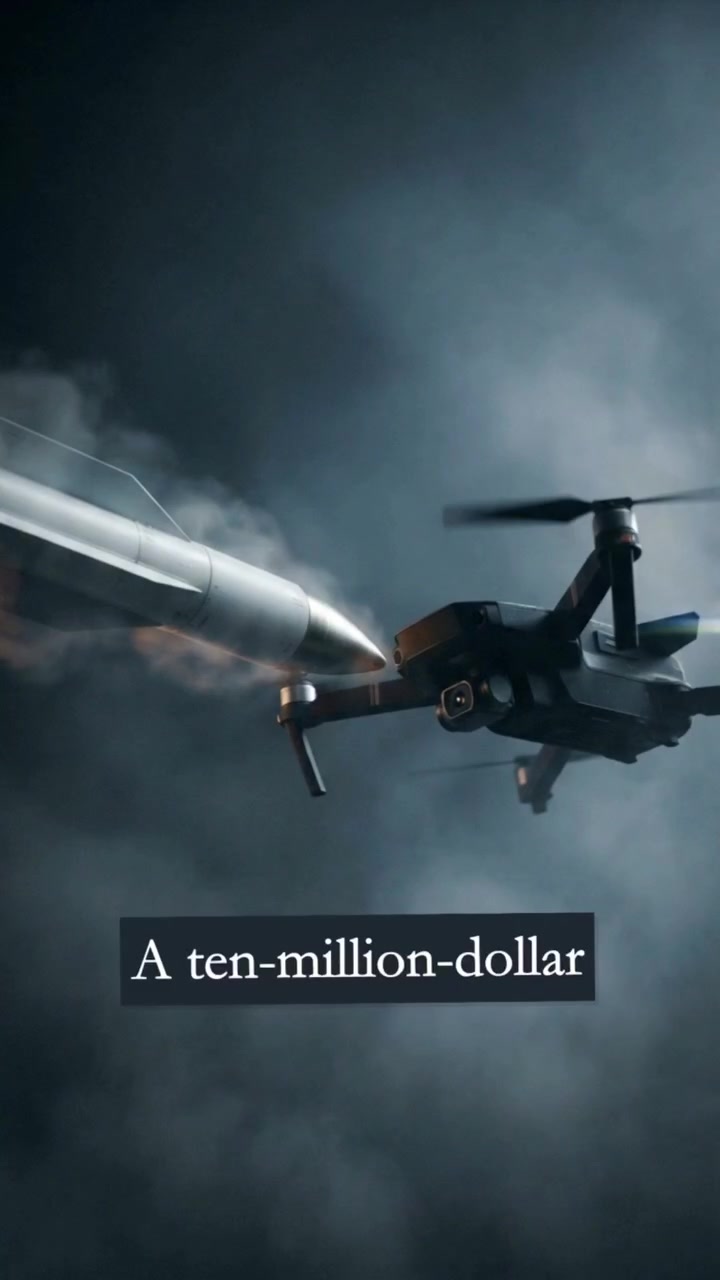
Defence budgets worldwide are transforming cheaper and more autonomous weapons into the new normal. These cost-effective systems are infiltrating modern combat, challenging the dominance of satellites and fighter jets to deliver new operational efficiencies. Bengaluru-based NewSpace Research, does exactly that to drone warfare. An autonomous electric and solar-powered aircraft, ‘NRT’ represents India's autonomous warfare stack .The swarms of drones operate at 30,000 feet for multi-day surveillance. They are simply functioning as a deployable, low-cost alternative to an orbital satellite and the Indian Army successfully deployed NRT swarms in actual combat conditions. India's National Defense Force is now one of the first to receive drones in combat zones.
Combat's Historical Shifting Sands
Today, it’s hard to imagine the global military without drones. A decade ago, this autonomous technology represented a mere fraction of the world's defense spending, and were mainly speculative. However, this tech is shifting the global combat' mindset. Satellites and fighter jets are no longer dominantly important in the battlefield, it is now the simple drone, as a distinguish part of any army's equipment.
Scaling Drone Capabilities
The Indian military’s drive to adopt drone swarms stems from a realistic need for scalability and cost efficiency. The startup NewSpace Research is at the forefront of this revolution. Founded by a veteran fighter pilot, they are building a system that enables drones to communicate autonomously, distributing tasks without relying on human operators.
Autonomous Swarms and Pace
The company’s success is partly due to its technological innovations. Instead of having a pilot control each drone, the drones autonomously communicate to carry out tasks. This can dramatically increase the scope and capacity of operations. For example, instead of a thousand drones controlled by individual pilots, a swarm of a thousand drones can be controlled by a team of a few, each drone sharing real-time data. The military validation also took place in real-world conditions. The first high-density swarm was delivered to the National Defence Force.
The Technical Underbelly
The drones are equipped with advanced sensors and communication systems. This allows them to fly in swarms, maintaining formation and coordinating their movements in complex terrains—from urban environments to mountainous landscapes. The core engineering behind these drone systems is the ability to handle and process enormous amounts of data in real-time. NRT’s drones can detect and respond to changes in their environment without human intervention. This happens, while providing detailed situational awareness and targeting capabilities.
High-Altitude Surveillance
The strides in technology mean that drones are no longer just ground-level assets. One of NewSpace’s most innovative developments is the high-altitude pseudosatellite — designed to operate at 30,000 feet for multi-day surveillance. This hybrid aircraft is powered by both electric and solar energy, providing a cost-effective alternative to traditional satellites. The high-altitude pseudosatellite functions like a satellite, providing a stable and continuous high-altitude aerial platform. This allows for long-duration surveillance and data collection, which is crucial for military operations and disaster response.
Handling Payment Delays
The fast pace of technology has arrived, however the indecision of bureaucracy is lagging behind. NRT is already valued at $200 million. The high valuation means the company faces significant cash flow challenges, due to the unique bottlenecks of the defense sector. Government payment delays are crippling, affecting the company's ability to grow. This is an obstacle for a company that aims to redefine India's defense capabilities, it means, the the future of drone technology remains uncertain. The company’s success is tied to its government contracts, and if this fails, the company may face its own tech-fuelled doom.
Purchasing and Deploying Drone Swarms
Deploying drone swarms into an army's arsenal requires meticulous planning and foresight. Organisations must approach this investment thoughtfully to leverage the full potential of this technology.
- High-value Targets: Identify high-value targets for drone surveillance and combat operations. This ensures that the technology is used where it provides the most significant advantage.
- Proper Training: Train military personnel to operate, maintain, and manage drone swarms. This includes understanding the unique capabilities and limitations of the technology.
- Invest in Infrastructure: Create advanced infrastructure to support drone operations, which would include communication systems, data processing centres, and maintenance facilities.
- Evaluate and Adapt: Regularly evaluate the performance of drone swarms and adapt strategies based on real-world operational feedback. This ensures continuous improvement and effectiveness.
The Automated Battlefield
Automated drone swarms in combat zones represent a significant shift in military operations. They provide the potential for unparalleled situational awareness, precision targeting, and operational efficiency. As technology advances, these drone capabilities will continue to evolve, potentially reshaping the future of warfare. However, it brings with it ethical questions, which NewSpace Research faces head-on. While these swarms undoubtedly enhance military capabilities, they also present significant challenges and risks. Addressing these issues will be crucial for harnessing the full potential of drone swarms in modern warfare. The autonomy of drone swarms and their ability to operate independently mean that confronting this technology remains a very human struggle.
Questions readers ask
What exactly are drone swarms and how do they operate differently from traditional drones?
Drone swarms are groups of autonomous drones that can communicate and coordinate with each other without needing individual human operators. Unlike traditional drones, which are often controlled by a single pilot, drone swarms can perform complex tasks by sharing real-time data and distributing tasks among themselves. This makes them more efficient and scalable for various military operations.
How do NewSpace Research's drones manage to stay airborne for multi-day surveillance?
NewSpace Research's drones, like the 'NRT,' are equipped with both electric and solar power. This hybrid power system allows them to operate at high altitudes, such as 30,000 feet, for extended periods. By harnessing solar energy, they can maintain surveillance missions for multiple days, making them a cost-effective alternative to traditional satellites.
What kind of data do these drones collect and how is it used in combat situations?
The drones are equipped with advanced sensors and communication systems that allow them to collect a wide range of data, including environmental changes, situational awareness, and targeting information. This data is processed in real-time, enabling the drones to respond autonomously to changes in their environment. In combat situations, this data can provide crucial intelligence and support for military operations without the need for human intervention.
How does the Indian Army benefit from using drone swarms in combat?
The Indian Army benefits from drone swarms through increased operational efficiency and cost savings. These swarms can perform tasks that would otherwise require multiple human-operated drones or satellites. For example, a swarm of a thousand drones can be controlled by a small team, reducing the need for individual pilots and lowering operational costs. Additionally, drone swarms can provide detailed situational awareness and targeting capabilities, enhancing the army's combat effectiveness.
What makes NewSpace Research's approach to drone swarms unique compared to other companies?
NewSpace Research stands out due to its innovative approach to autonomous communication among drones. Founded by a veteran fighter pilot, the company has developed a system where drones can communicate and coordinate tasks autonomously, without relying on human operators. This technological innovation allows for a dramatic increase in the scope and capacity of operations, making their drone swarms particularly effective and scalable.
Related deep dives
Similar reads based on topic and creator.


Recent articles
Fresh deep dives from the latest Reels we unpacked.




Comments
Be the first to comment.