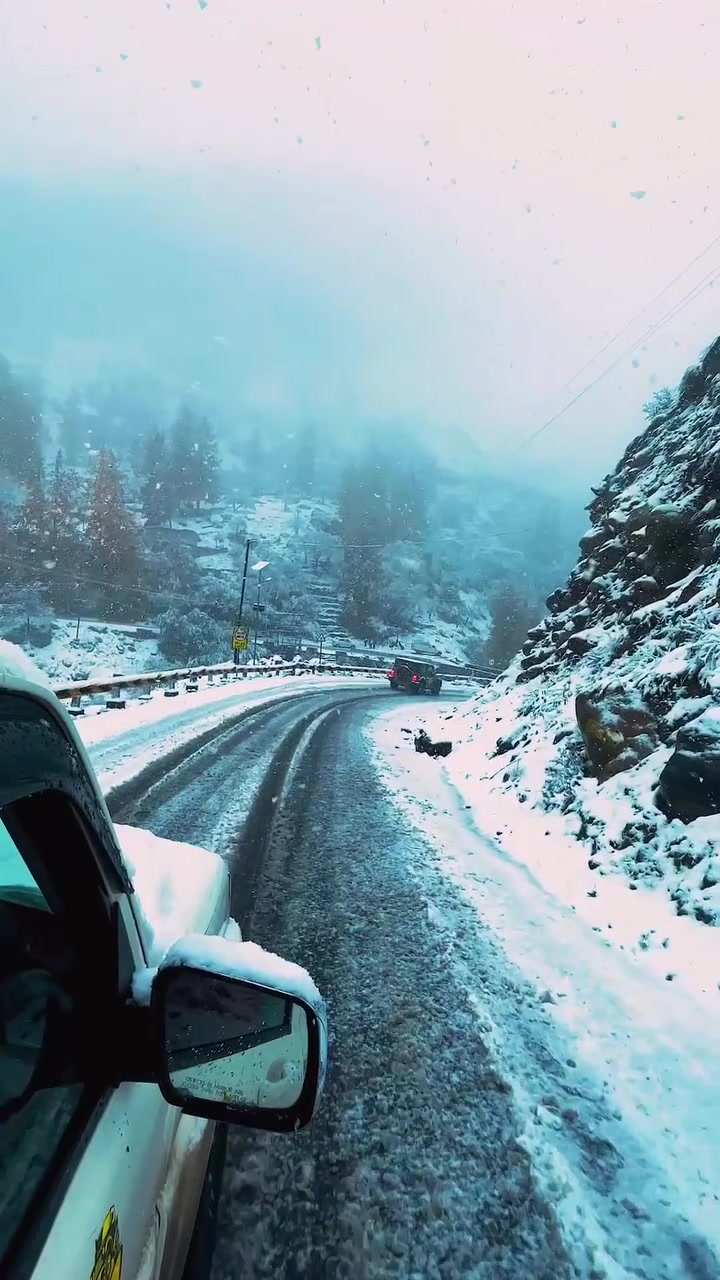
Mountain Roads in Winter: A Driving Experience
In the heart of winter, the sight of a car navigating a snowy mountain road is more than a passing carscape. It’s evidence of hardy drivers eager to embrace the challenge. The surroundings are not mere scenery, but a testament to the factors going beyond mountain terrain. The elements at play — the snow, the fog, and the winding road — create a landscape that case in point about winter driving. What is mountain driving like in winter? It’s more than just steering a vehicle through snow-covered terrain and navigating icy roads. The experience starts long before the wheels hit the pavement. There's a peculiar excitement in the planning, anticipation, and preparation that only comes from the possibility of a rugged mountain landscape in winter. The driving style, techniques, and specific gear in use are all unique to snowy mountain roads. For anyone taking the wheel, it's an intensive task. But that’s also what makes it exhilarating.
Who these winter drivers are and what fascinates them
The drivers who venture through these wintry mountain roads aren’t just thrill seekers. They are often guided by a deep appreciation for the solitude and beauty that winter landscapes offer. It’s often about the stopovers, the idea of dining at a rustic mountain restaurant, or the anticipation of the mountain lodge that awaits them at journey’s end. Although potential dangers threaten the journey, these drivers are often driven by an intangible sense of fulfillment.
How mountain roads reflect winter driving in the modern era
The Necessary Car Preparation
The prep starts well before hitting the road, beginning by ascending the mountain's roads. It’s essential to assess which car model is suitable for mountaineering while driving in snow by checking if it has enough traction. Winter tires are an absolute must. These tires have deeper treads and are made of a softer rubber designed to grip the icy roads, while other cars rely on the snow chains to counter the possibility of snow. Equipment like snow chains, an ice scraper, and a flashlight, are crucial to the trip. These items are there to support the driver as they continue on their journey.
Braving the weather
Safety is paramount. Beyond the obvious, like warm clothing, gloves, and hats, these drivers carry items like flares, a first aid kit, non-perishable food, water, and a shovel. While the journey itself may be exhilarating, it can become dangerous. Visibility is a recurring problem for drivers as they travel through heavy snow and fog. These drivers also need to be attuned to the ever-shifting weather conditions. A clear day can quickly turn into a blizzard, and with no way to predict it, it's essential for drivers to always be on the lookout for signs of impending bad weather.
Road Experience
The constant winding of the mountain road adds a layer of complexity to the journey. It’s not just about navigating the mountain’s twists and turns. They must also contend with the freezing winds that gust through the valleys and the frozen streams that crisscross the road. Although modern driving technology might provide support, it will not eliminate the possible dangers. Techniques to Survive these Roads These winding roads often seem to come out of nowhere. Driving slowly and carefully is a must when navigating unseen mountain roads. Drivers must always maintain a controlled pace while anticipating any potential road conditions. One of the biggest challenges of these roads is that they are often narrow, with limited sight lines. It’s essential to always be on the lookout for oncoming traffic, wildlife, and other potential hazards. Ensuring safety on these roads entails craning one’s neck when negotiating sharp bends or sudden obstacles, like fallen trees or rock slides. The driver's technique determines how much control over the vehicle and how adequately they can navigate the road's challenges.
Ice-covered Mountain roads
Driving on these icy roads is an experience like no other. It's essential to have a solid understanding of the road’s unique challenges, such as black ice, which is invisible to the naked eye and can cause drivers to lose control of their vehicles instantly. Preparing for the Unexpected Another thing to keep in mind is that the roads can become hazardous in an instant, and drivers need to be prepared for anything. On top of identifying potential hazards, drivers should always carry a fully charged mobile phone, a spare tire, and a jack.
What to consider if you want to drive these mountain roads
If You’re Driving
- Vehicle: Make sure to have the right equipment installed for all weather conditions.
- Warm Clothing: Have adequate insulation to avoid temperature drop. It is not just cold but also windy with freezing gusts of wind.
- Fuel: Be mindful of fuel consumption. These mountain roads can cause profound changes to the car’s economy. Tips for navigating the weather
- Stay Alert: Be aware and know the road ahead.
- Know When to Call it a Day: Sometimes the only way forward is to pack up and head back home. Be aware of all potential challenges and call it a day if they become too great to manage safely.
- Maintain Control of the vehicle: It’s essential to maintain control of the vehicle at all times. When entering a bend or a curve, it’s important to slow down and maintain a steady pace.
Questions readers ask
What kind of car is best for driving on snowy mountain roads?
Cars with good traction are ideal for snowy mountain roads. Winter tires are a must, as they have deeper treads and are made of softer rubber to grip icy roads. Some drivers also use snow chains for added traction. It’s important to assess your car’s capabilities before embarking on such a journey.
How do drivers prepare for the unpredictable weather on mountain roads?
Drivers need to be well-prepared for sudden weather changes. This includes carrying essentials like flares, a first aid kit, non-perishable food, water, and a shovel. They also need to stay alert for signs of impending bad weather, as conditions can turn from clear to a blizzard very quickly.
What challenges do drivers face on snowy mountain roads besides the snow?
Beyond the snow, drivers face challenges like heavy fog, which can reduce visibility, and the winding nature of the roads. They also have to contend with freezing winds and frozen streams that crisscross the road. These factors add layers of complexity to an already challenging drive.
What special equipment do drivers need for a safe journey?
Essential equipment includes snow chains, an ice scraper, and a flashlight. Additionally, drivers should have warm clothing, gloves, and hats. It's also crucial to carry safety items like flares, a first aid kit, non-perishable food, water, and a shovel to be prepared for any situation.
Why do drivers choose to drive on snowy mountain roads?
Drivers are often drawn to the solitude and beauty of winter landscapes. They enjoy the anticipation of stopovers, dining at rustic mountain restaurants, or staying at mountain lodges. There's also a sense of fulfillment and exhilaration from conquering the challenge of driving in such conditions.
Related deep dives
Similar reads based on topic and creator.




Recent articles
Fresh deep dives from the latest Reels we unpacked.



Comments
Be the first to comment.