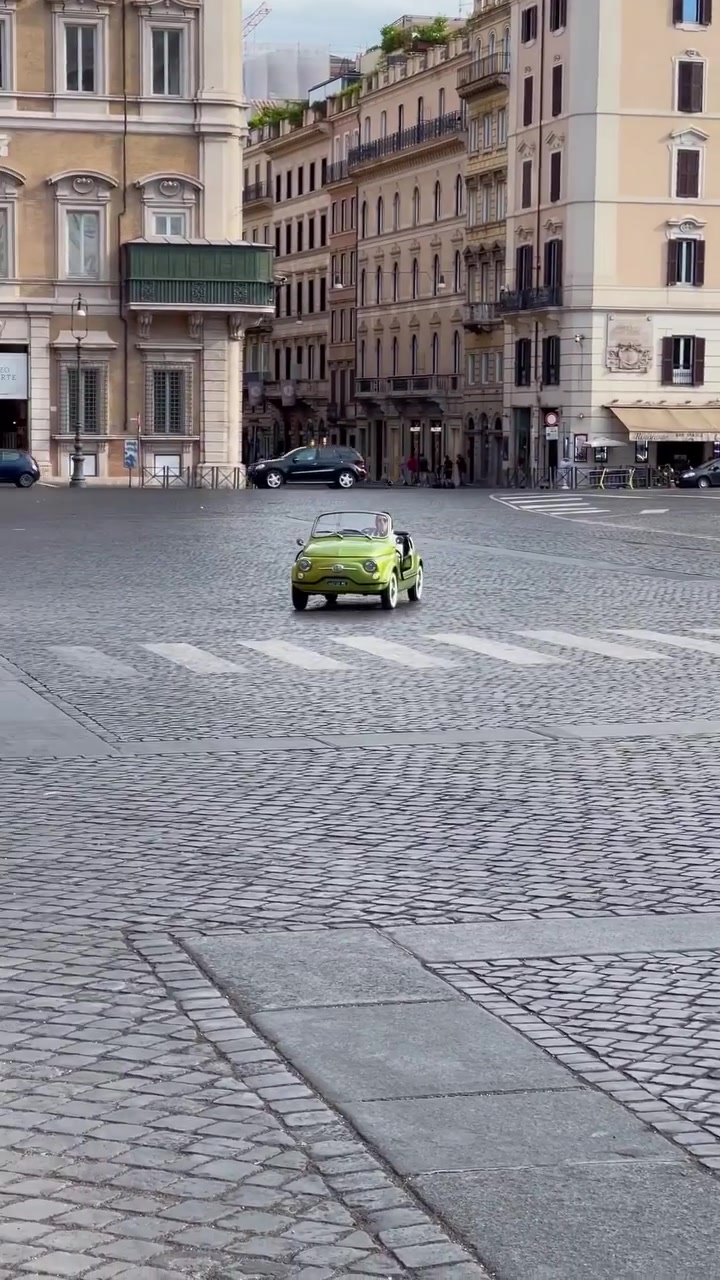
The cobblestone streets of Rome twist and turn, barely wide enough for a single car, let alone two. Yet, these narrow alleyways are precisely where a miniature, green microcar confidently navigates. The car's tiny stature, a green hummingbird of a vehicle, stands out amidst the ancient cityscape. This isn't the typical adventure in vehicular tourism. The microcar offers a unique, nimble first-person view into Rome's historic heart, where larger cars fear to tread. The microcar is a delightful curiosity. It is a compact, two-seater vehicle that shifts the driving experience. While it may not have the horsepower of a fancy sports car, it delivers on agility and charm.
A City Full Of Surprises
A microcar invites a playful, joyful approach to driving and sightseeing. It leverages its compactness to zip through narrow alleys, offering access to corners of the city inaccessible to standard vehicles. The idea is not necessarily about practicality, but rather, the joy and spontaneity of navigating Rome in a new way. Therefore, microcar experiences often focus on the exhilarating feeling of discovering secret streets and hidden gems. The lack of a traditional roof makes the experience even more thrilling in the historic settings.
The Micromobility Trend
Microcars aren't just fun; they're also a contemporary trend. Urban mobility is evolving, and microcars are a prime example. As cities become more crowded, and environmental concerns rise, smaller, more efficient vehicles are entering the spotlight. While microcars aren't as extreme as electric bikes or self-balancing scooters, they are part of the same conversation about smarter, greener urban transportation. As cities implement more pedestrian-friendly environments, micro vehicles like these will thrive. They hit the sweet spot of letting you travel further than a bike, albeit with less exertion. Given that urban green spaces are increasing, these types of vehicles make sense. Today's cities don't need all cars to be larger than life.
The History of Rome’s Streets
This perhaps explains why a version of the microcar has been present in cities since the 1950s. Dating back to WWII, microcars were an important response to the gasoline shortage at the time. They provided an affordable, fuel-efficient solution for drivers navigating Europe's post-war destruction. And today, they are part of the solution for a different problem: congestion. Why? Conventional cars aren't built for tight and winding streets of Europe, like in Rome. Europe's cobblestone streets were laid out centuries, not decades, ago. They were developed as pathways for pedestrians and farm animals, not for modern cars. Modern cars travel more quickly and comfortably, but do not navigate the ancient city streets, thus creating obstacles and making traffic jams inevitable. Microcars, without the luxury of a high-powered engine or complicated machinery, are an innovative way to stay true to the city's roots.
The Unique Sights
Imagine maneuvering Rome's historic streets and observing Rome's distinctive landmarks up close. Tourists can relish a closer look at the city’s architecture. Navigating the Piazza Navona, a grand square, offers a stunning view, while weaving through narrow alleyways provides an intimate look at the city's intricate building, offering a different kind of sightseeing. These small structures also have low-hanging branches and narrow alleyways. It is perfectly suited for microcar navigation.
What It’s Like to Drive
Driving a microcar is a unique experience. The openness of the vehicle makes it feel like a modern take on a go-kart. The low speed and lightweight frame of the microcar are designed for tight spaces, which means there's no need to worry about special parking spots. The vehicle is small and lightweight, so there's no need for special parking spots — just slide right in and out, which is especially helpful in a city like Rome, where parking can be a major problem.
How to Experience It
- Plan Your Route: Build your itinerary around narrow alleys and larger squares. If you don't know where to start, ask a local. They may be surprised by the microcar, but they can surely tell you the best spots.
- Embrace Impulsiveness: Let the experience guide you. Take sharp turns, and explore streets without second thoughts. Rome’s alleys can be intimidating, but microcars are more than capable of navigating them.
- Be Aware: Although the experience is lighthearted, it's vital to pay attention.
Questions readers ask
What exactly is a microcar and how does it differ from a regular car?
A microcar is a compact, two-seater vehicle designed for urban environments. Unlike traditional cars, microcars are much smaller, making them ideal for navigating narrow streets and tight spaces. They prioritize agility and efficiency over horsepower, offering a unique driving experience that's both fun and practical for city exploration.
How does driving a microcar through Rome's historic streets enhance the sightseeing experience?
Driving a microcar through Rome's historic streets allows you to access hidden alleys and secret corners that larger vehicles can't reach. It provides a more intimate and thrilling view of the city, letting you discover Rome's charm and history up close.
Can microcars really help with Rome's traffic congestion?
Yes, microcars can help alleviate traffic congestion in Rome. Their compact size allows them to navigate the city's narrow, winding streets more easily, reducing the need for larger cars that often get stuck and contribute to traffic jams.
Are microcars environmentally friendly?
Microcars are generally more environmentally friendly than larger vehicles. They are smaller, more fuel-efficient, and part of the broader trend towards smarter, greener urban transportation. While they may not be as eco-friendly as electric bikes or scooters, they still offer a more sustainable option for city driving compared to traditional cars.
What makes the microcar experience in Rome unique compared to other cities?
The microcar experience in Rome is unique because of the city's ancient, narrow streets and rich history. Microcars allow you to explore these historic pathways in a way that larger vehicles can't, offering a one-of-a-kind perspective on Rome's architecture and landmarks.
Is it safe to drive a microcar in Rome's crowded streets?
Driving a microcar in Rome can be safe if you are cautious and familiar with the city's layout. The microcar's small size allows for better maneuverability, but it's important to be aware of pedestrians and other vehicles. The lack of a traditional roof means you should also be mindful of weather conditions.
Related deep dives
Similar reads based on topic and creator.




Recent articles
Fresh deep dives from the latest Reels we unpacked.




Comments
Be the first to comment.