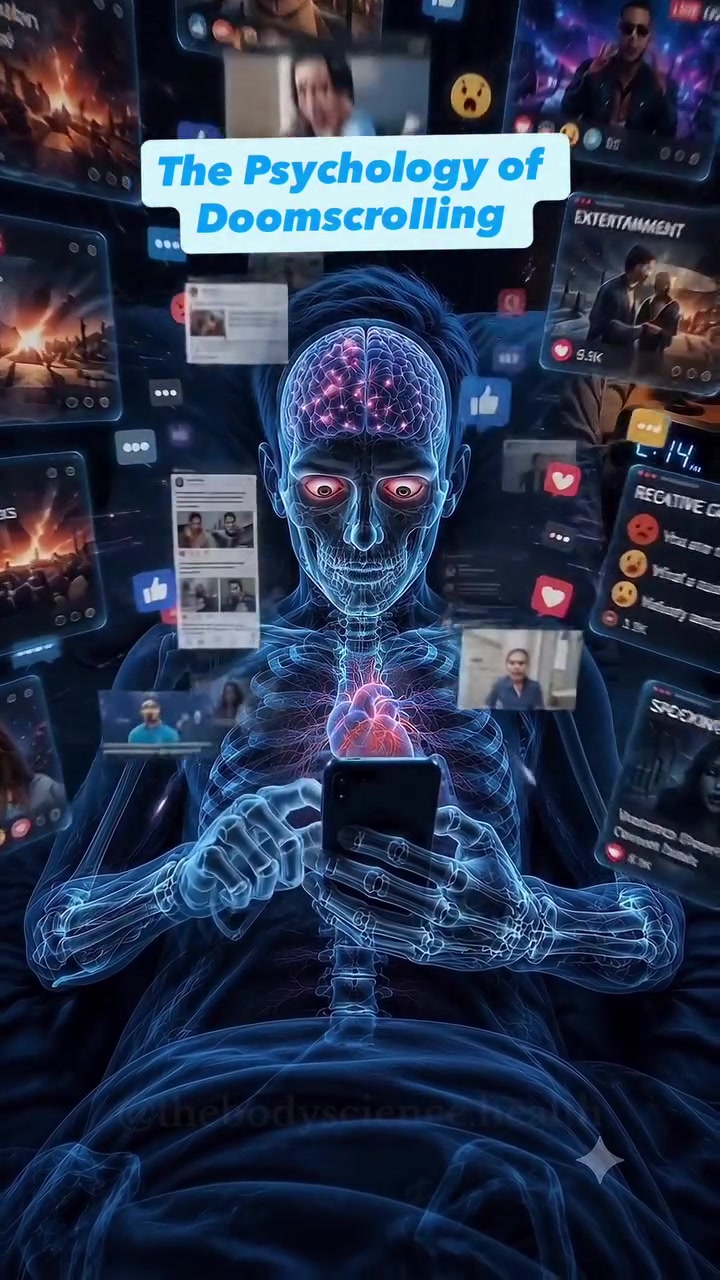
The Neuronic Pull of Doomscrolling
Do you ever feel your thumb reflexively swiping through your phone, despite being dead tired, fuelled by an urge to consume more negative, emotionally intense news? Sometimes called doomscrolling, this behavior captures a specific kind of internet use. When your thumb has a mind of its own.
The Anatomy of Doomscrolling
Doomscrolling is the act of endlessly consuming negative, stressful, or emotionally charged online content. Unlike casual browsing or entertainment, doomscrolling is compulsive and often marked by a sense of urgency. The behavior is driven by a reward system that keeps the user looped in for longer, leaving the brain in a state of chemical stimulation. The act involves swiping through a continuous feed of information, where each swipe reveals new content. This mechanism taps into the brain's reward system, making the user seek further stimulation and suspension of dopamine. One of the key factors that make doomscrolling distinctive is the way the reward mechanism is structured. Scrolling through negative news provides a unique mix of anxiety and information - the brain naturally pays attention to things that seem important, threatening, or emotionally intense.
The Culture of 24/7 Information
Doomsccrolling is the mirror of our relationship with information in 2023. At night, sleep is being replaced by news feeds, often fueled by social media algorithms. The action of scrolling through digital content at night often turns into a negative cycle, affecting sleep patterns and general well-being. The digital behavior has become a common cultural trend, and doomsccrolling has been seen widely across different demographics. People often consume emotionally intense content late at night, pushing their brains further into a state of stimulation when it should be winding down.
Breaking Down the Scroll
Grasping the Reward System
Although rewarding, doomsccrolling is highly addictive. This behaviour has resulted from the structure of modern media consumption. Every swipe gives the brain a new piece of information, be it interesting, shocking, or rewarding. The brain’s reward system interacts with doomscrolling by making one believe in the notion of "one more post, then I'll stop." The belief gives the brain a new piece of information that makes it process dopamine, which acts as a stimulus for it to learn more and make the user keep scrolling. Though it might feel like the user is merely learning something new and staying informed, they are just looking for the next hit of information, regardless of its quality. This mechanism is highly addictive and makes the user stay hooked on consuming negative information.
The Thumb’s Will of Its Own
Once the mind is set on scrolling, the thumb takes over, swiping through various posts and articles. The action is automatic, driven by the reward mechanisms. The thumb's "other plans" are more than just a metaphor. The brain naturally pays attention to things that feel important. This urge for more information comes with a bodily compulsion to keep scrolling through your feed. The urge to find something interesting on the next scroll keeps you longer on your phone at the cost of your sleeping hours. The behavior could lead to a negative cycle of procrastination and over-stimulation.
The Compound Misery of Doomscrolling
The visual representation of doomsccrolling shows a person with a skeletal and anatomical structure, making it look like a person almost dead in real life. The frustrating point of doomsccrolling is that it forces you to continue scrolling at the cost of your well-being. The cycle goes on, and the brain remains in a state of stimulation, making it harder for the person to sleep. With a bigger part of the brain stimulated, it is hard for the person to get enough sleep. This effect might result in the person waking up with headaches and feeling exhausted in the morning.
Reining in the Doom
As a digital spectator in 2023, the key to catching and easing doomsccrolling lies in recognizing the behavior and taking action. Avoid doomsccrolling late at night.
- Digital Detox: Start with a digital detox period. Try putting your phone down, especially when you're not in the best frame of mind.
- Ask Questions: Ask yourself, "What am I getting from this?" Also, asking yourself "Am I actually learning something or am I just looking for the next hit of stimulation?". This might give the brain a moment to think and stop scrolling.
- Set Hours: Setting a time for your phone and checking your feed might help you avoid doomsccrolling. It might even calm your brain and give it a chance to wind down after a hectic day.
The Aftermath
Individuals must recognize the detrimental impact of negative feeds can have on their minds. Most importantly, one must analyze if they consume information just for the sake of being in an active state of mind. Though there are alternate ways to learn, such as podcasts, and other media, it is essential to keep an eye on the time and content you consume online. It's important to remember that endless scrolling could lead to a loss of sleeping hours and general well-being.
Questions readers ask
What exactly is doomscrolling and how does it differ from regular browsing?
Doomscrolling is the act of endlessly consuming negative, stressful, or emotionally charged online content. Unlike casual browsing or entertainment, doomscrolling is compulsive and often marked by a sense of urgency. It's driven by a reward system that keeps the user looped in for longer, leaving the brain in a state of chemical stimulation. You might feel like you can't stop because it's driven by a dopamine hit you get when you find something interesting or shocking.
Why does doomscrolling feel so compulsive?
Doomscrolling feels compulsive because it taps into the brain's reward system. Every swipe reveals new content, providing a mix of anxiety and information that the brain naturally pays attention to. This creates a cycle where the brain seeks further stimulation, making it hard to stop.
How does doomscrolling affect sleep and overall well-being?
Doomscrolling, especially at night, can disrupt sleep patterns and overall well-being. The constant stimulation from negative news feeds can keep the brain active when it should be winding down, leading to a negative cycle that affects rest and mental health.
Can doomscrolling be compared to other addictive behaviors, like gambling or social media use?
Yes, doomscrolling shares similarities with other addictive behaviors. It's driven by a reward system that releases dopamine, creating a cycle where the user seeks more stimulation. Like gambling, it offers a mix of anticipation and reward that can be highly addictive, though it is specific to the consumption of negative news.
Is there a way to break the doomscrolling habit?
Breaking the doomscrolling habit involves recognizing the compulsive nature of the behavior and setting boundaries. Limiting screen time, especially before bed, and being mindful of the content you consume can help. It's also important to find other ways to satisfy the brain's need for stimulation, such as through hobbies or exercise.
Why does the thumb seem to have a mind of its own during doomscrolling?
The thumb's automatic action during doomscrolling is driven by the brain's reward system. The urge to find something interesting or important on the next scroll keeps you engaged, making the action feel involuntary. This bodily compulsion is a result of the brain's natural response to emotionally intense information.
Related deep dives
Similar reads based on topic and creator.




Recent articles
Fresh deep dives from the latest Reels we unpacked.




Comments
Be the first to comment.