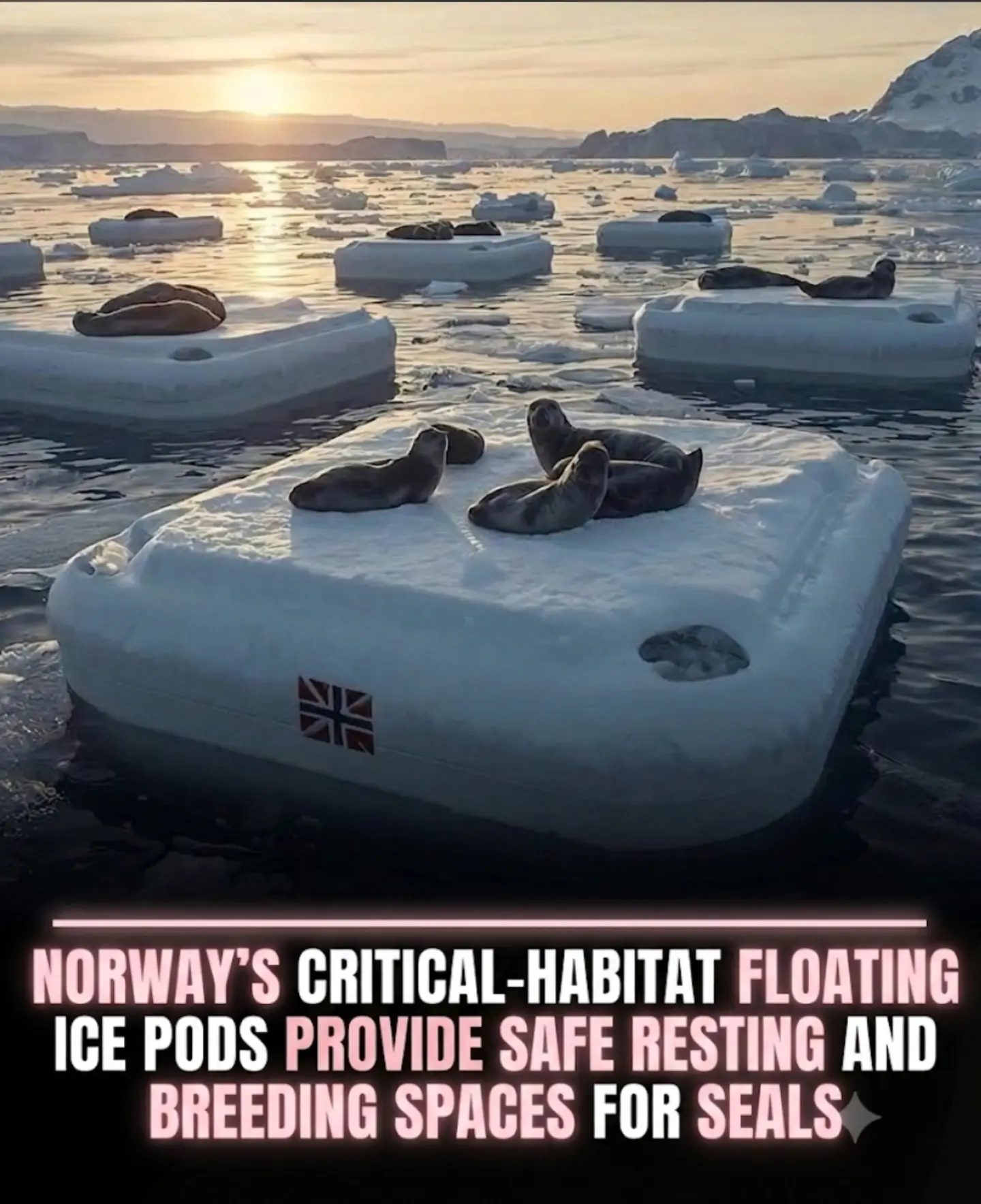
Seals on Ice Floes
Norway's vast and icy landscapes are home to an impressive array of wildlife, including seals. These marine mammals depend on the country's floating ice pods for critical habitat functions. The scene of seals resting and breeding on these ice pods highlights their importance, but misinformation has complicated the understanding of this ecological relationship.
Critical Habitat for Seals
Climate change is causing critical Arctic sea ice to melt rapidly. Seals rely on this ice for everything, from resting to raising their pups safely away from predators. Floating ice pods serve as a safe habitat for seals, providing a stable platform for resting and breeding.
Without stable ice, pup survival rates plummet. Seals need reliable ice floes to keep their pups safe from predators and to maintain the health and survival of their young. The loss of sea ice due to climate change is one of the most pressing environmental issues impacting Arctic wildlife.
The Viral AI-Generated Image
A viral image circulating lately claims that Norway has created artificial ice pods for seals. While it’s an inspiring idea for conservation, it’s actually a classic case of Internet vs. Reality. The image is widely believed to be AI-generated, and reputable sources haven't confirmed any massive project like this by Norwegian engineers.
The image, while fictional, serves as a powerful reminder of the unique challenges facing polar wildlife. It highlights the urgent need for innovative solutions to help these animals adapt to a changing climate.
The Truth Behind the Image
The image went viral because it resonates with the real issues facing polar wildlife. Climate change is causing the rapid melting of critical Arctic sea ice, which seals depend on for survival. Seals rely on this ice for everything—from resting to raising their pups safely away from predators. Without stable ice, pup survival rates plummet.
Conservationists are exploring innovative technologies to help these animals. The image serves as a powerful reminder of the unique challenges facing polar wildlife and the need for technological solutions to mitigate the impact of climate change.
Why This Matters
The plight of seals in Norway underscores the broader issue of climate change and its impact on Arctic wildlife. The rapid melting of sea ice is a critical concern, and while innovative solutions are being explored, the challenges are significant.
This situation highlights the urgent need for climate action to protect Arctic wildlife and their habitats. Seals are just one of the many species facing threats due to climate change, and their survival is intricately linked to the health of the Arctic ecosystem.
Practical Tips
For those interested in supporting seal conservation efforts, there are practical steps you can take:
Stay Informed
Keep up-to-date with the latest research and conservation efforts related to Arctic wildlife. Staying informed helps you understand the challenges these animals face and how you can contribute.
Support Conservation Organizations
Many organizations are working tirelessly to protect Arctic wildlife and their habitats. Consider supporting these organizations through donations or volunteer work.
Reduce Your Carbon Footprint
Climate change is a significant threat to Arctic wildlife. Reducing your carbon footprint can help mitigate the impact of climate change on these ecosystems. Simple actions like using public transportation, reducing energy consumption, and recycling can make a difference.
Advocate for Policy Changes
Advocate for policies that protect Arctic wildlife and their habitats. Support legislation that addresses climate change and promotes conservation efforts.
Engage with the Community
Join local conservation efforts and engage with the community. Participating in conservation activities can help raise awareness and support for Arctic wildlife.
Important Takeaways
-
Climate change is a significant threat to Arctic wildlife. Seals in Norway rely on floating ice pods for resting and breeding, and the rapid melting of sea ice poses a major threat to their survival.
-
Conservation efforts are crucial. While innovative technologies are being explored, conservation efforts are essential to protect Arctic wildlife and their habitats.
-
Stay informed and take action. By staying informed and taking practical steps, you can contribute to the conservation of Arctic wildlife and their habitats.
Conclusion
The floating ice pods in Norway provide a critical habitat for seals, offering a safe space for resting and breeding. The viral image of artificial ice pods highlights the urgent need for solutions to protect these animals from the impacts of climate change. By staying informed, supporting conservation efforts, and taking practical steps, you can contribute to the protection of Arctic wildlife and their habitats.
Questions readers ask
Why do seals in Norway rely on sea ice for survival?
Seals in Norway depend on sea ice for several crucial activities. It provides a stable platform for resting, breeding, and raising their pups safely away from predators. The rapid melting of sea ice due to climate change poses a significant threat to their survival.
What is the truth behind the viral image of artificial ice pods for seals in Norway?
The viral image suggesting that Norway is building artificial ice pods for seals is a myth. In reality, seals depend on natural sea ice for their habitat, and there are no known initiatives to construct artificial ice pods for them.
How does climate change impact seal populations in Norway?
Climate change accelerates the melting of Arctic sea ice, which is crucial for seals. This affects their ability to rest and breed safely. As a result, their pup survival rates drop, posing a dire threat to the seal populations.
What are the primary functions of floating ice pods for seals in Norway?
Floating ice pods in Norway serve as vital habitats for seals. These ice pods provide a safe and stable platform for seals to rest, breed, and protect their pups from predators, which are essential for their survival and reproduction.
What conservation efforts are in place to protect seals in Norway?
Conservation efforts for seals in Norway focus on understanding the impact of sea ice loss and promoting measures to mitigate climate change. While there are no known projects to create artificial ice pods, efforts are directed towards preserving natural habitats and raising awareness about the threats posed by climate change.
How does the melting of sea ice affect the breeding grounds of seals in Norway?
The melting of sea ice in Norway threatens the stability of seal breeding grounds, as the ice is required for seals to have a safe place to give birth and raise their pups. Without stable ice, pups are more vulnerable to predators and environmental hazards, leading to lower survival rates.
What are the key facts about Norway's sea ice and its importance to seals?
Norway's sea ice is a critical habitat for seals, serving as a platform for resting, breeding, and pup-rearing. The rapid melting of this sea ice, due to climate change, jeopardizes the survival of seal populations, as they rely on stable ice for these essential activities.
Related deep dives
Similar reads based on topic and creator.

Recent articles
Fresh deep dives from the latest Reels we unpacked.




Comments
Be the first to comment.