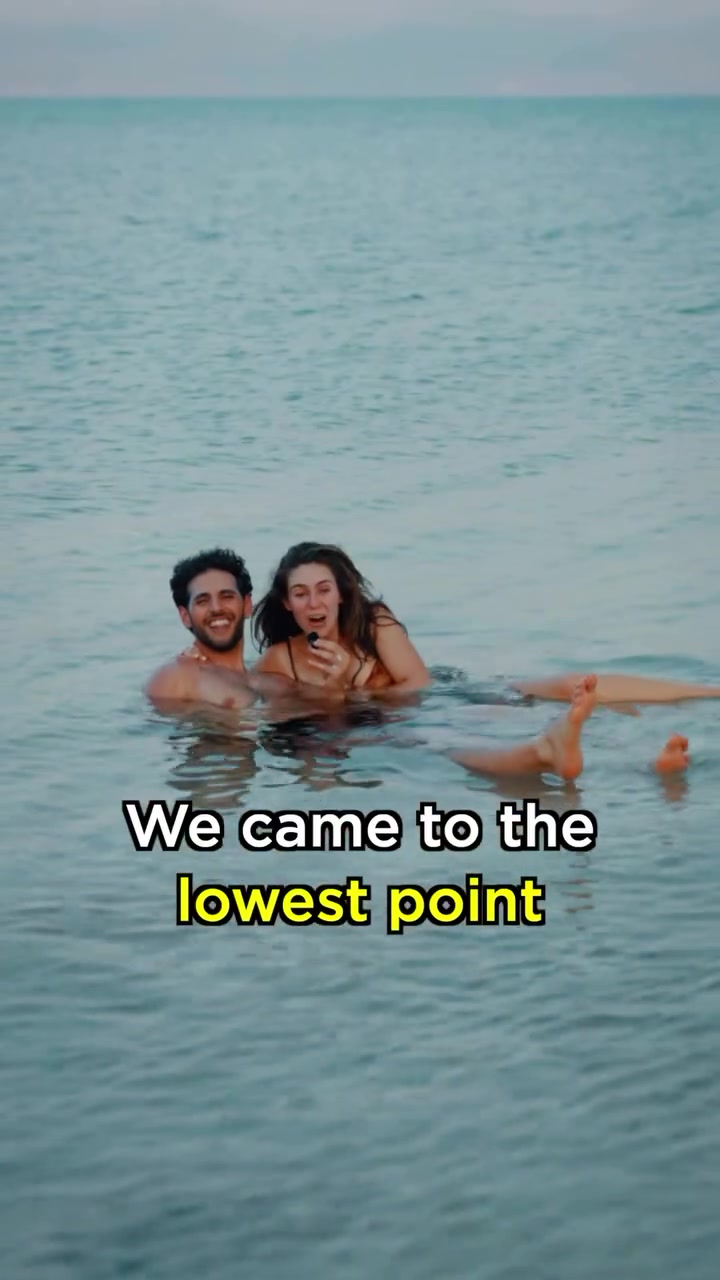
The Physics of the Dead Sea
The Dead Sea, a natural marvel located 440 meters below sea level, is the lowest point on Earth. But it's not just the unique geography that makes this salt lake so extraordinary: endless physics anomalies make the Dead Sea one of the most interesting places on the planet. The Dead Sea's location allows you to experience the sheer power of the Earth’s forces—from boiling points and oxygen levels to time dilation. This body of water possesses a high salt content that allows people to float effortlessly. In order to cook, exercise, and protect oneself from the sun, one must consider the higher air pressure, stronger gravity, and ultraviolet filtration.
Exploring the Dead Sea's Gravity
The Dead Sea has elevated gravity. This lake is 440 meters below sea level that means it is closer to the center of Earth, The Dead Sea is close to the center of the Earth, making gravity slightly stronger. A person will weigh approximately 10 grams more. While a 10-gram difference may seem negligible, it’s a remarkable effect of the Dead Sea’s unique position.
Why the Dead Sea Exists
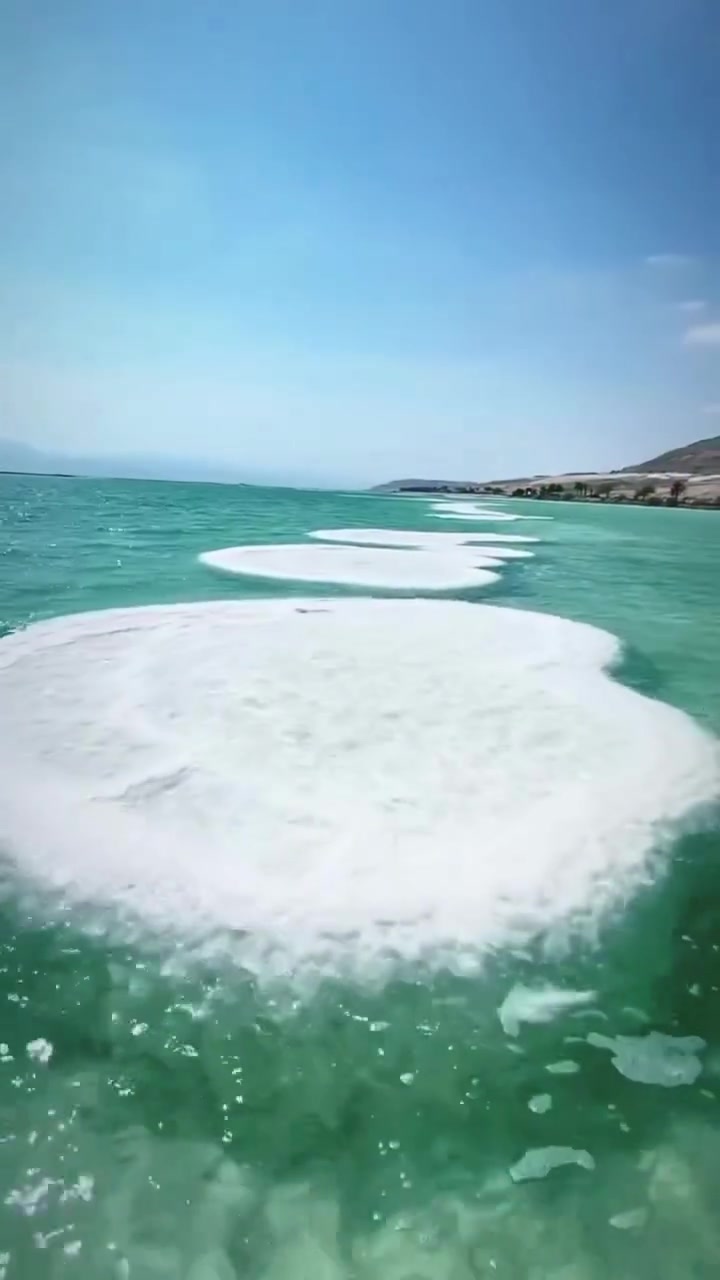
A rift valley was formed between Israel and Jordan millions of years ago when the Earth pulled apart, creating the Dead Sea. Surrounded by deserts and mountains, this place is one of the most unique geographies. This creates the ultimate physics playground. The water in the Dead Sea has an unusually high salt content. There are no fish or plants, no graveyard of dead fish, no life. The only way to cook, workout, or sunbathe. The extra oxygen, higher air pressure, and extra UV filtering makes the Dead Sea like a different planet.
Different Boiling Point
The Dead Sea demonstrates the impact of atmospheric pressure on the boiling point of water. At sea level, water boils at 100 degrees Celsius. Higher air pressure at the Dead Sea makes water boil at a higher temperature—101 degrees Celsius. The visual demonstration of a thermometer showing 101 degrees Celsius at the Dead Sea versus 100 degrees Celsius at sea level highlights this difference. Water at the lowest point on Earth can be boiled by burning other fuels other than wood or coal.
Different Oxygen Levels
Diving into the Dead Sea, the higher air pressure alters oxygen intake. With each breath, more oxygen enters the lungs, which enhances workout efficiency. The experience becomes distinct from exercising at a higher elevation, such as a mountain top. The Dead Sea offers the possibility of a productive workout in a low-lying spot. The Dead Sea is the lowest gym, which is a paradox.
Different UV Filtration
A sunbather in the Dead Sea experiences less sunburn due to increased UV filtration. The sun’s rays must pass through additional atmosphere to reach the surface at this low elevation, filtering out 15% of UV radiation. While sunscreen is still necessary, the reduced UV exposure makes prolonged sunbathing more feasible. However, it can still feel hot and you’ll still need a sunscreen. You’ll be protected from burning and you might get more tan on lower mass.
Different Time
The depth of the Dead Sea also affects time, a concept rooted in Einstein’s theory of relativity. As one descends below sea level, time moves slower. This phenomenon means that someone living by the Dead Sea would age slightly slower than someone at sea level. Over a lifetime, this would result in a few extra microseconds of life. This is the craziest point.
How to Experience the Dead Sea
The Dead Sea offers a variety of experiences to visitors, from floating effortlessly to enjoying unique sunbathing and invigorating workouts. The Dead Sea is an excellent destination for adventure lovers, as it allows you to experience extreme conditions in a safe environment. To make the most of your visit, consider taking the following steps:
- Plan Ahead: Research the best times to visit, such as early morning or late afternoon, to avoid peak crowd times and ensure optimal floating conditions. Take the cable car.
- Stay Hydrated: The high salt content and intense sun can lead to dehydration, so bring plenty of water. Ensure you have enough water.
- Bring Sunscreen: Even with the reduced UV exposure, sunscreen is still essential to protect your skin. Bring a sunscreen with proper coverage.
- Bring a Thermometer: Bring a thermometer to monitor the temperature for cooking. Ensure you have a GoNature thermometer for this experience.
- Check In with Your Body: When you first enter the water, assess your comfort levels and adjust accordingly. The elevated gravity and stronger buoyancy may take some getting used to. Be sure you’re comfortable with these anomalies.
- Use Showering Accessories: Use showering accessories to remove the dead sea salt from your skin.
The Ultimate Water Experience
Dive in 440 meters below sea level to experience physics at the Dead Sea. The uniqueness is the lack of fish and plants. Even the taste of the water is different. You can taste it, but you can't drink it. The Dead Sea's gravitational pull, high salt content, and unique atmospheric conditions make it a one-of-a-kind destination.
Questions readers ask
What causes the increased gravity at the Dead Sea?
The Dead Sea's elevated gravity is due to its location 440 meters below sea level, which brings it closer to the Earth's center. This proximity to the Earth's core makes the gravitational pull slightly stronger, causing a person to weigh about 10 grams more than they would at sea level.
Why does the Dead Sea have such a high salt content?
The Dead Sea's high salt content is a result of its unique geography and the lack of an outlet for water to flow out. The water evaporates, leaving behind the salt and minerals, which accumulate over time. This process has created a hypersaline environment that supports virtually no life forms.
How does the Dead Sea's atmospheric pressure affect boiling water?
The higher air pressure at the Dead Sea causes water to boil at a slightly higher temperature—101 degrees Celsius—compared to the standard 100 degrees Celsius at sea level. This is a direct result of the increased atmospheric pressure exerted on the water's surface.
Can you feel the difference in oxygen levels while exercising at the Dead Sea?
Yes, the higher air pressure at the Dead Sea allows for greater oxygen intake with each breath, which can enhance workout efficiency. This makes exercising at the Dead Sea a unique experience compared to working out at higher elevations, where oxygen levels are typically lower.
Does the Dead Sea's lower elevation really affect time?
Yes, the Dead Sea's depth can affect time dilation, a concept rooted in Einstein's theory of relativity. Being closer to the Earth's center means time passes slightly faster compared to higher elevations, though this effect is minuscule and not perceptible in everyday activities.
Can you really float effortlessly in the Dead Sea?
Yes, the high salt content of the Dead Sea makes the water incredibly buoyant, allowing people to float effortlessly. The dense salt water provides a natural flotation device, making it easy to stay afloat without much effort.
Is it safe to sunbathe at the Dead Sea?
Sunbathing at the Dead Sea is relatively safe due to the increased UV filtration, which reduces the amount of UV radiation reaching the surface. However, it's still important to use sunscreen, as the reduced UV exposure doesn't eliminate the risk of sunburn completely. The extra atmosphere filters out 15% of the UV radiation.
Related deep dives
Similar reads based on topic and creator.

Recent articles
Fresh deep dives from the latest Reels we unpacked.


Comments
Be the first to comment.