Borneo's Dayak People: A Legacy of Dance and Nature
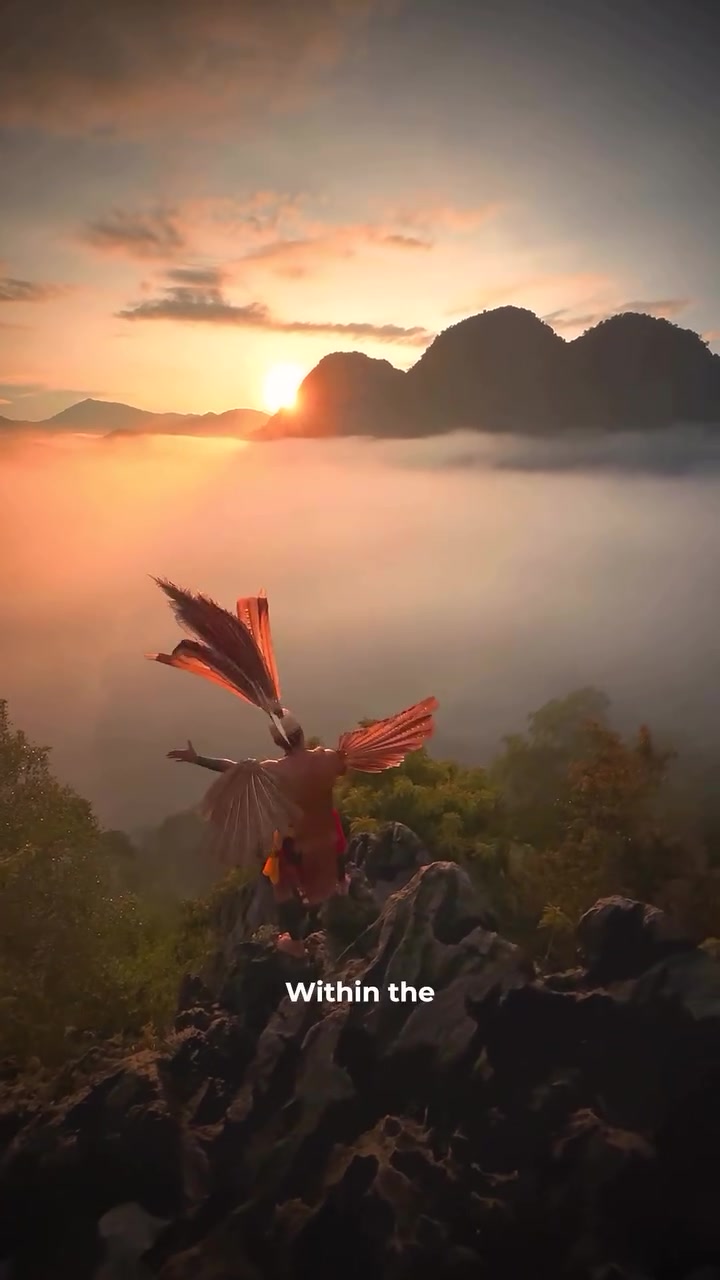
Travel to the heart of Borneo, where the Dayak people thrive among the verdant forests and majestic mountains. The Dayak people, indigenous to the island, are celebrated for their vibrant cultural heritage and intimate bond with nature. Borough's cultural heritage is uniquely rich and deep, intertwined with the natural world in a way that has fascinated and inspired for centuries. This heritage is most vividly expressed in the Dayak people's dances, which are not merely performances, but ancient traditions deeply rooted in their spiritual beliefs. Traditional dances often imitate hornbills—a bird considered sacred. These dances are believed to represent the bird commander spirit, a revered figure in Dayak lore. These performances showcase the Dayak people's intricate connection with the natural world, and the importance of this spiritual connection, especially in the face of outside influences.
The Dayak Dances: A Balancing Act
The Dayak dances are more than performances; they are expressions of cultural identity and community. But as times change, these traditions are under threat, evolving between heritage and modern lifestyles. The dances have fewer new practitioners, leading to the establishment of academies dedicated to preserving and teaching these ancient traditions. Nowadays, these are academies to the Dayak way of life to carry out these traditions. These academies are crucial in teaching the traditional dance to new generations of dancers, ensuring that the Dayak's rich cultural heritage lives on. They provide a repository of knowledge and practice, allowing visitors to witness these ancient forms and gain a deeper understanding of the Dayak way of life. Tourists look at the dances as more than just art, but as a profound experience of the Bornean peoples heritage. This access to witnessing the dances, also comes with a stay in their iconic longhouses. These traditional structures serve as living museums, offering visitors an immersive experience of the Dayak's way of life. They are not just dwellings but also repositories of tradition and culture—pieces of history.
The Hornbill: Spirit Animal of the Dance
The hornbill plays a central role in the Dayak dances, appearing in the performance to showcase the Dayak's connection to the natural world. Believed to be an incarnation of the bird commander spirit, the hornbill serves as a guide and a protector, embodying the unity of the physical and spiritual realms. This connection is evident in the intricate movements and motifs echoed in the dances, where the hornbill’s movements and symbolic significance are intricately woven into the choreography.
The Dayak Dances: A Performance Language
Dayak dances contain layers of storytelling, with each movement, gesture, and costume conveying a wealth of cultural knowledge. The intricate performances often incorporate elements of nature, reflecting the Dayak's deep connection to the natural world. This organic connection between dance and nature is evident in the rhythmic flow of the dances, mimicking elements like wind, water, and fauna. The dances are dynamic, with the performers' movements seamlessly blending poetic grace and spiritual depth.
Evolving Traditions: The Modern Dayak
The modern Dayak society is a mix of ancient tradition and contemporary life. As the influence of the outside world continues to grow, Dayak dances face the challenge of preserving their authenticity while adapting to new cultural landscapes. The dance continues to thrive, but with more academies, tourists and education and staging of dance performances, the culture continues to thrive. The heart of these dances is showcased in performances, celebrating the Dayak's rich heritage while fostering a deeper connection between the present and the past.
Journey into the Bornean Heartland
Guided tours along Borneo's river networks serve as gateways into the Dayak communities. These cruises navigate the Kinabatangan River and other major waterways, offering visitors unique access to the remote and culturally rich areas of Borneo. The experience showcases the diversity of flora and fauna, providing a holistic understanding of the Dayak people’s natural and cultural heritage. In many ways, the experience is rich in science, culture and survival. It’s a showcase of the natural world and Bornean culture in a one stop. The environment itself is rich, showcasing the natural world, and the people's rich heritage. Guided tours provide visitors with the opportunity to experience local knowledge while immersing themselves in the Dayak way of life. A knowledgeable guide makes the journey both informative and engaging, offering an in-depth understanding of the Dayak culture, habits and customs. These tours are deep dives in immersing oneself in Borneo’s tropical and rich heritage.
The NKabatangan River: A Cultural Gateway
Located in the heart of Borneo, the Kinabatangan River serves as a critical waterway for the Dayak communities. These waterways are integral to the local economy and culture, providing a means of transportation and connecting communities that might otherwise be isolated. Cruises along the Kinabatangan River offer a glimpse into the daily lives of the Dayak people, showcasing how their traditions and customs are intricately woven into the natural environment. The dayak people live within the waterways, and this provides a crucial connection to the Dayak people, and understanding their culture.
The Power of Guided Tours
A local guide sheds light on the nuances that make the Dayak dances so special. These guides not only navigate the physical terrain but also the encompassing history and lore of the Dayak people. They offer insights into the Dayak’s way of life, their customs, and the significance of their traditions, making the experience immersive and enriching. These tours help drive the economy and people living in these waters. Guides ensure that visitors connect with the Dayak culture in its most authentic form, fostering a deeper appreciation for their rich heritage and way of life. Visitors gain firsthand knowledge of the Dayak’s way of life through storytelling and empowers the understanding of the nature around them.
A Natural Connection
The ties the Dayak people share with their environment and traditions are profound. The natural world is more than a backdrop in their lives. It is intertwined with their spiritual and practical needs. Their dances, which incorporate elements of nature, are a testament to this connection. These dances are not merely performances but spiritual rituals that reflect the Dayak’s respect for their environment and the role it plays in their lives. The natural beauty of Borneo, showcases this connection. It is raw and a showcase of easy living. The anecdotes of their connection with nature are numerous, and numerous stories are shared. With these, the people integrate a rich heritage into their everyday life.
Spiritual Significance in Dance
The Dayak’s dances are anything but mundane events. They carry immense spiritual significance, reflecting the Dayak’s deep connection with the natural world. Each dance movement, rhythm, and costume embodies their respect for the environment and its spiritual meaning. In many ways, these dances encapsulate their way of life—a blend of tradition, nature, and spirituality. They showcase the harmony of man, nature and the supernatural.
The Crafting of Costumes: A Rich Tradition
Costumes for the Dayak dances are more than ornate garments; they are artifacts of rich tradition and culture. Intricately woven and adorned, these costumes often feature natural materials, symbolizing the Dayak’s connection to the environment. The crafting of these costumes is a meticulous process, involving intricate designs and motifs that hold deep cultural significance. The costume serves as a physical representation of the Dayak people’s connection to their heritage and beyond. The costumes themselves, are one of the most important elements of the dance. They showcase the dayak heritage, rituals and practical needs.
Witnessing the Dance: An Immersive Experience
Awareness of the Dayak dances is rising in many parts of the world, partly due to the growing interest in cultural tourism. Staying in longhouses and witnessing to these dances provides a unique cultural experience that showcases the Dayak people’s way of life. These longhouses, with their communal living spaces and cultural classrooms, offer an immersive experience of Dayak culture and heritage. Guided tours along Borneo’s major rivers, emphasizing the deep connection with nature showcases the Dayak people’s heritage. This natural connection is also intertwined with cultural richness. This is the perfect encapsulation of the dayak people to both visitors and locals, showcasing the beauty of the dayak people.
The Iconic Longhouses
Longhouses are quintessential to the Dayak experience. These structures are more than living spaces. They are communal hubs, repositories of culture, and vital aspects of Dayak heritage. Staying in a longhouse offers a deep dive into the Dayak way of life, from their daily routines to their rich cultural traditions. Perhaps the most iconic symbol of Dayak culture, longhouses provide an authentic, immersive experience of traditional Dayak village life. This showcases the dayak’s rich heritage and allows them to integrate easily into modern society.
Understanding the Dayak Way of Life
The Dayak dances are not merely performances; they are a window into the Dayak way of life. Each dance tells a story, reflecting their cultural heritage, beliefs, and connection to the natural world. Visitors who witness these dances gain a deeper understanding of the Dayak people, their traditions, and their profound connection to their environment. The dances showcase the dayak people’s lifestyle, culture and beliefs within the nature around them.
Seeking Borneo’s Soul
As the Dayak dances continue to evolve, so do the efforts to preserve and promote this rich cultural heritage. This evolving connection between nature, culture, and spirituality underscores the Dayak people's resilience and adaptability. Efforts to preserve and promote this rich heritage continue, highlighting the Dayak’s commitment to their cultural identity. There is a mutual understanding, and deep respect for the heritage. This shows the evolving relationship between the Dayak people’s way of life and the natural world. The dayak people’s heritage helps them navigate numerous challenges, showcasing their resilience.
Questions readers ask
What are some of the specific dances that the Dayak people perform, and what do they signify?
The article mentions that the Dayak dances often imitate hornbills, a bird considered sacred by the Dayak. These dances are believed to represent the bird commander spirit, a revered figure in Dayak lore. The specific dances and their meanings can vary, but they all share a common theme of connecting the Dayak people to the natural world and their spiritual beliefs.
How do the Dayak dances incorporate the natural world into their performances?
The Dayak dances are deeply rooted in the natural world, with movements and motifs that often imitate elements of nature. For instance, the hornbill, a sacred bird, is a central figure in many dances, symbolizing the connection between the physical and spiritual realms. The dances also incorporate other natural elements, such as wind, water, and fauna, reflecting the Dayak's deep bond with their environment.
What role do the academies play in preserving the Dayak dances, and who can attend them?
The academies play a crucial role in preserving the Dayak dances by teaching these ancient traditions to new generations. They are open to locals and tourists alike, providing a space for visitors to witness and learn about these dances. These academies serve as repositories of knowledge and practice, ensuring that the Dayak's rich cultural heritage continues to thrive.
What is the significance of the hornbill in Dayak culture and dances?
The hornbill is a sacred bird in Dayak culture, believed to be an incarnation of the bird commander spirit. It serves as a guide and protector, embodying the unity of the physical and spiritual realms. This significance is reflected in the dances, where the hornbill’s movements and symbolic importance are intricately woven into the choreography.
Can tourists experience the Dayak dances firsthand, and if so, how?
Yes, tourists can experience the Dayak dances firsthand through visits to the academies and stays in traditional longhouses. These structures serve as living museums, offering an immersive experience of the Dayak way of life. Tourists can witness the dances and gain a deeper understanding of the Dayak's rich cultural heritage.
Are there any specific movements or gestures that are commonly used in Dayak dances, and what do they represent?
Dayak dances are known for their intricate movements and gestures that convey layers of storytelling and cultural knowledge. These movements often mimic elements of nature, such as the movements of the hornbill or the flow of water, reflecting the Dayak's deep connection to the natural world. Each gesture and movement is carefully crafted to tell a story and convey the spiritual significance of the dance.
What challenges do the Dayak people face in preserving their traditional dances, and how are they addressing them?
The Dayak people face challenges such as fewer new practitioners and the influence of modern lifestyles. To address these issues, academies have been established to teach and preserve these ancient traditions. These academies play a crucial role in ensuring that the Dayak's rich cultural heritage lives on, by providing a space for visitors to witness and learn about these dances, and by training new generations of dancers.
Related deep dives
Similar reads based on topic and creator.
Recent articles
Fresh deep dives from the latest Reels we unpacked.



Comments
Be the first to comment.